Hypertensive Diseases in Pregnancy: Overview and Management
An overview of hypertensive diseases in pregnancy (HTDP), including chronic hypertension, gestational hypertension, preeclampsia, eclampsia, and HELLP syndrome. It covers risk factors, classification, pathophysiology, critical emergencies, complications, and nursing management strategies.
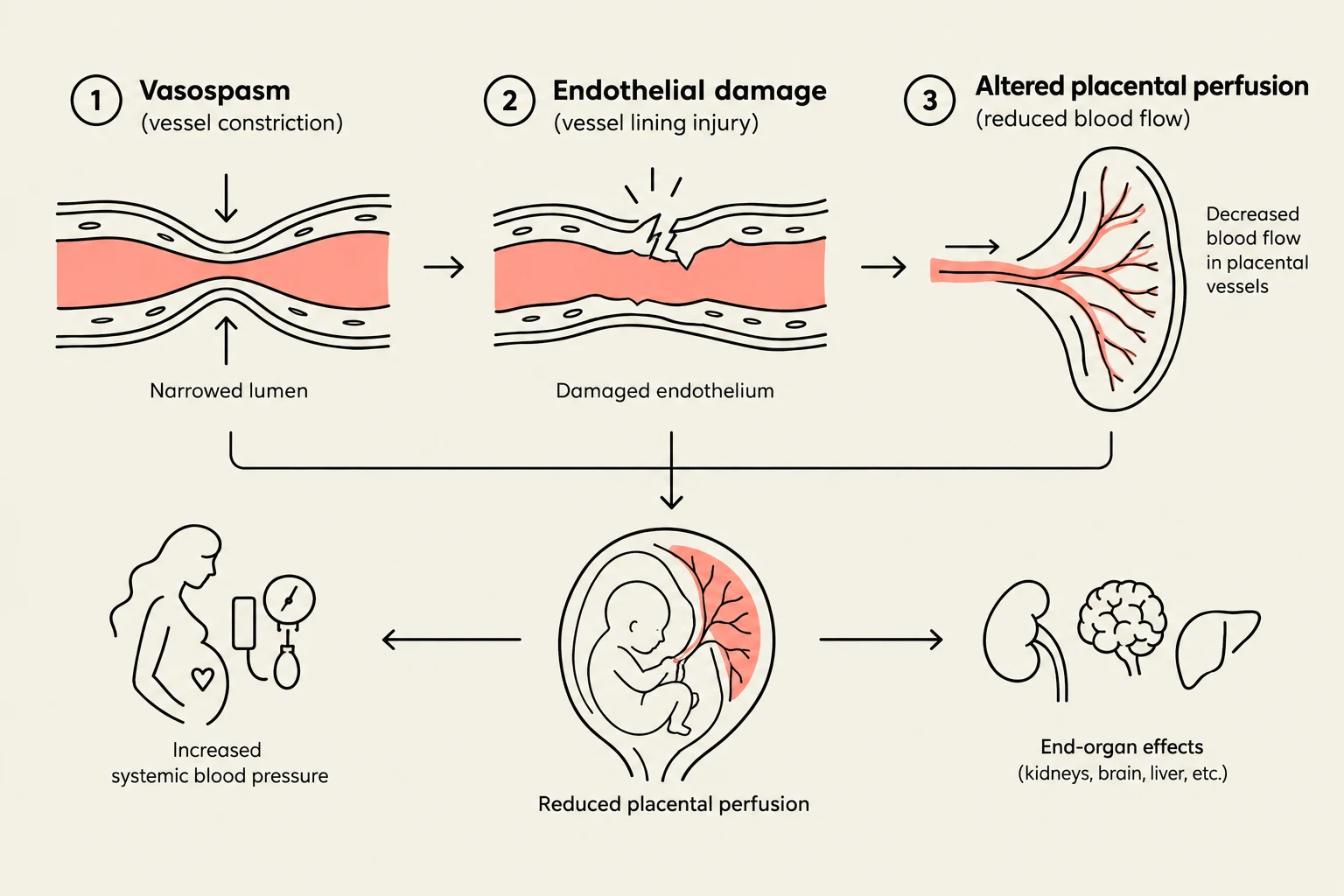
Hypertensive diseases in pregnancy (HTDP) represent the most common medical disorder of pregnancy in the United States, affecting approximately 8–10% of all pregnancies. These conditions are not merely obstetric complications; they are systemic disorders that can lead to multi-organ dysfunction through mechanisms involving vasospasm, endothelial damage, and altered placental perfusion. Because HTDP is a leading contributor to preterm birth and accounts for 17.6% of maternal deaths in the U.S., recognizing the progression from mild hypertension to life-threatening emergencies is a critical skill for healthcare providers.
This diagram illustrates the progression of preeclampsia, starting with vasospasm and endothelial damage, leading to altered placental perfusion, reduced blood flow to the fetus, increased systemic blood pressure, and potential end-organ effects.
Predisposing Factors and Risk Assessment
While the exact etiology of HTDP remains unknown, current theories suggest that autoimmune factors, genetic predisposition, and placental "mismatching" may play significant roles. Identifying patients at high risk is essential for preventative strategies, such as the use of low-dose aspirin (60–80 mg/day) starting in the late first trimester, which has been shown to reduce the risk of preeclampsia by 24% in certain populations.
Key risk factors include:
Nulliparity: Being a first-time mother (primigravida).
Maternal Age: Being 35 years or older.
Obesity: A pre-pregnancy BMI > 30.
Pregnancy Characteristics: Multifetal gestations or use of Assisted Reproductive Technology (ART).
Pre-existing Conditions: Chronic hypertension, diabetes (pregestational or gestational), and autoimmune diseases like SLE or APA.
Other: Thrombophilia and genetic/familial predisposition.
Classification of Hypertensive Disorders
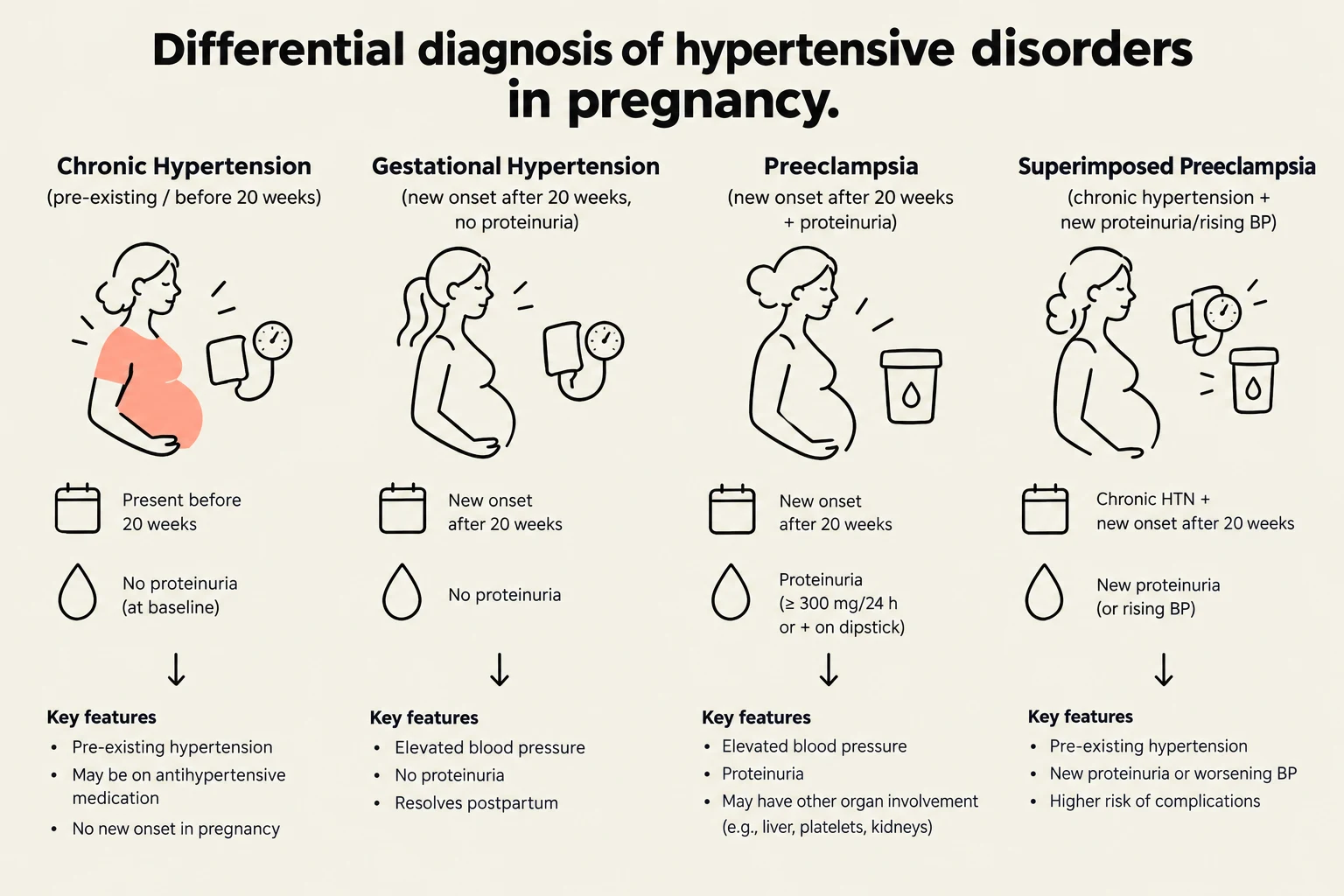
This diagram illustrates the differential diagnosis of hypertensive disorders in pregnancy, including Chronic Hypertension, Gestational Hypertension, Preeclampsia, and Superimposed Preeclampsia, detailing their onset, key features, and diagnostic criteria.
Clinicians must distinguish between the various types of hypertensive disorders to determine the appropriate level of intervention and timing of delivery.
Chronic Hypertension
Chronic hypertension is defined as blood pressure ≥ 140/90 mmHg that existed prior to conception or was diagnosed before 20 weeks of gestation. This condition persists for more than 12 weeks postpartum. It is managed separately from preeclampsia, though the elevated blood pressure remains a major clinical concern.
Gestational Hypertension
This is new-onset hypertension (≥ 140/90 mmHg) that develops after 20 weeks of gestation in a woman with previously normal blood pressure. Unlike preeclampsia, gestational hypertension occurs without proteinuria. Blood pressure levels typically return to normal by 12 weeks postpartum. It is important to note that approximately 50% of women with gestational hypertension will eventually develop preeclampsia.
Preeclampsia and Severe Features
Preeclampsia is a progressive syndrome characterized by new-onset hypertension after 20 weeks gestation combined with proteinuria. Proteinuria is defined as:
Urinary excretion of ≥ 0.3g in a 24-hour collection, OR
A protein/creatinine ratio > 0.3 mg/dl.
A urine dipstick of 1+ indicates the need for further screening, while a dipstick of 2+ is used for diagnosis.
Preeclampsia with Severe Features
In some cases, preeclampsia can progress to include "severe features" even in the absence of proteinuria. These features indicate significant systemic involvement and include:
Severe Hypertension: Blood pressure ≥ 160/110 mmHg on two occasions. Note that persistent severe hypertension for 15 minutes or more is considered a hypertensive emergency.
Renal Insufficiency: Serum creatinine >1.1 mg/dl or a doubling of serum creatinine.
Hepatic Dysfunction: Impaired liver function (twice the normal concentration) or right upper quadrant/epigastric pain.
Neurological/Pulmonary: New-onset cerebral or visual disturbances (e.g., scotomata) and pulmonary edema or cyanosis.
Exam Tip: If a patient with preeclampsia presents with shortness of breath (SOB), a persistent cough, or significant changes in pulse oximetry/respiratory rate, they must be evaluated immediately for pulmonary edema.
Superimposed Preeclampsia
This occurs when a woman with pre-existing chronic hypertension develops new-onset preeclampsia. This is marked by a sudden increase in proteinuria, a sudden rise in blood pressure, increased liver enzymes, or a decrease in platelets.
Critical Emergencies: Eclampsia and HELLP Syndrome
Eclampsia
Eclampsia is the onset of grand mal seizures in a woman with preeclampsia. This is a life-threatening emergency that can occur during pregnancy or up to 28 days postpartum.
Management Priorities:
Airway and Oxygenation: Secure the airway and apply 8–10 liters of O2 via mask.
Positioning: Turn the patient to her side to prevent aspiration, which is a leading cause of morbidity after a seizure.
Seizure Control: Magnesium Sulfate (MgSO4) is the treatment of choice in the U.S.. A common regimen is the "6-2-2" method: a 6g loading dose followed by 2g IV slow over 10–20 minutes, and another 2g IV slow over 10–20 minutes.
HELLP Syndrome
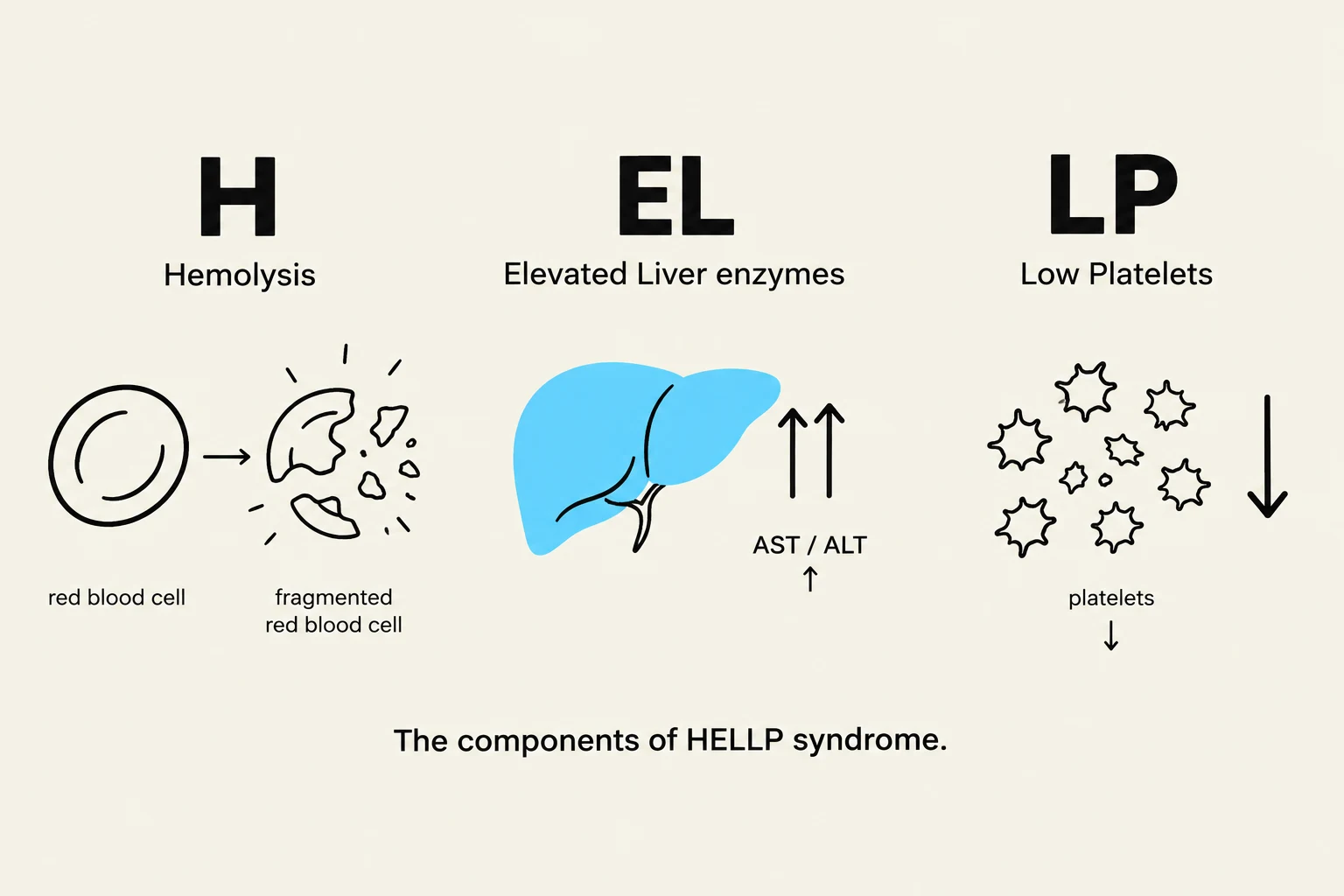
The components of HELLP syndrome, including hemolysis, elevated liver enzymes, and low platelets.
HELLP syndrome is a severe manifestation of preeclampsia characterized by specific laboratory markers:
H: Hemolysis (indicated by a peripheral smear or total bilirubin >1.2 mg/dl).
The severity is often classified by platelet count: Class I (<50,000), Class II ($50,000to100,000$), and Class III ($100,000to150,000$). HELLP syndrome is associated with high rates of preterm birth (70%) and significant maternal and fetal mortality.
Complications and Clinical Implications
The systemic nature of HTDP leads to various complications across multiple organ systems:
Maternal Morbidity/Mortality: Including stroke, disseminated intravascular coagulation (DIC), hepatic rupture, and acute renal failure.
Fetal Complications: Including intrauterine growth restriction (IUGR) due to hypoxia, placental abruption, preterm delivery, and fetal death.
Nursing Management and Monitoring
Effective nursing care focuses on early recognition of disease progression and patient education.
Key Assessment Strategies:
Blood Pressure: Use a mercury sphygmomanometer (the gold standard). Ensure the patient is seated (not side-lying) and the cuff is at heart level. Focus on blood pressure trends rather than a single reading.
Neurological Status: Monitor for severe headaches, visual changes, and hyperreflexia/clonus.
Magnesium Toxicity: Monitor patellar reflexes; loss of these reflexes is an early sign of MgSO4 toxicity.
Fetal Well-being: Teach patients to perform "kick counts" to monitor fetal movement.
Postpartum Follow-up:
The "Fourth Trimester" is critical. Patients treated with antihypertensives require follow-up within 3–7 days, while those diagnosed with preeclampsia but not requiring medication should be seen within 7–14 days.
Keep reading for free.
Create an account to finish this reading and make it part of your study routine.