


Hypertension (HTN) is a chronic medical condition characterized by persistently elevated blood pressure. While often called the "silent killer" because it can remain asymptomatic for years, uncontrolled hypertension is a leading driver of systemic morbidity and mortality. Effective management requires a dual approach: understanding the underlying physiological mechanisms of damage and implementing a combination of lifestyle modifications and targeted pharmacological therapies to maintain adequate tissue perfusion.
Pathophysiology and Vascular Remodeling
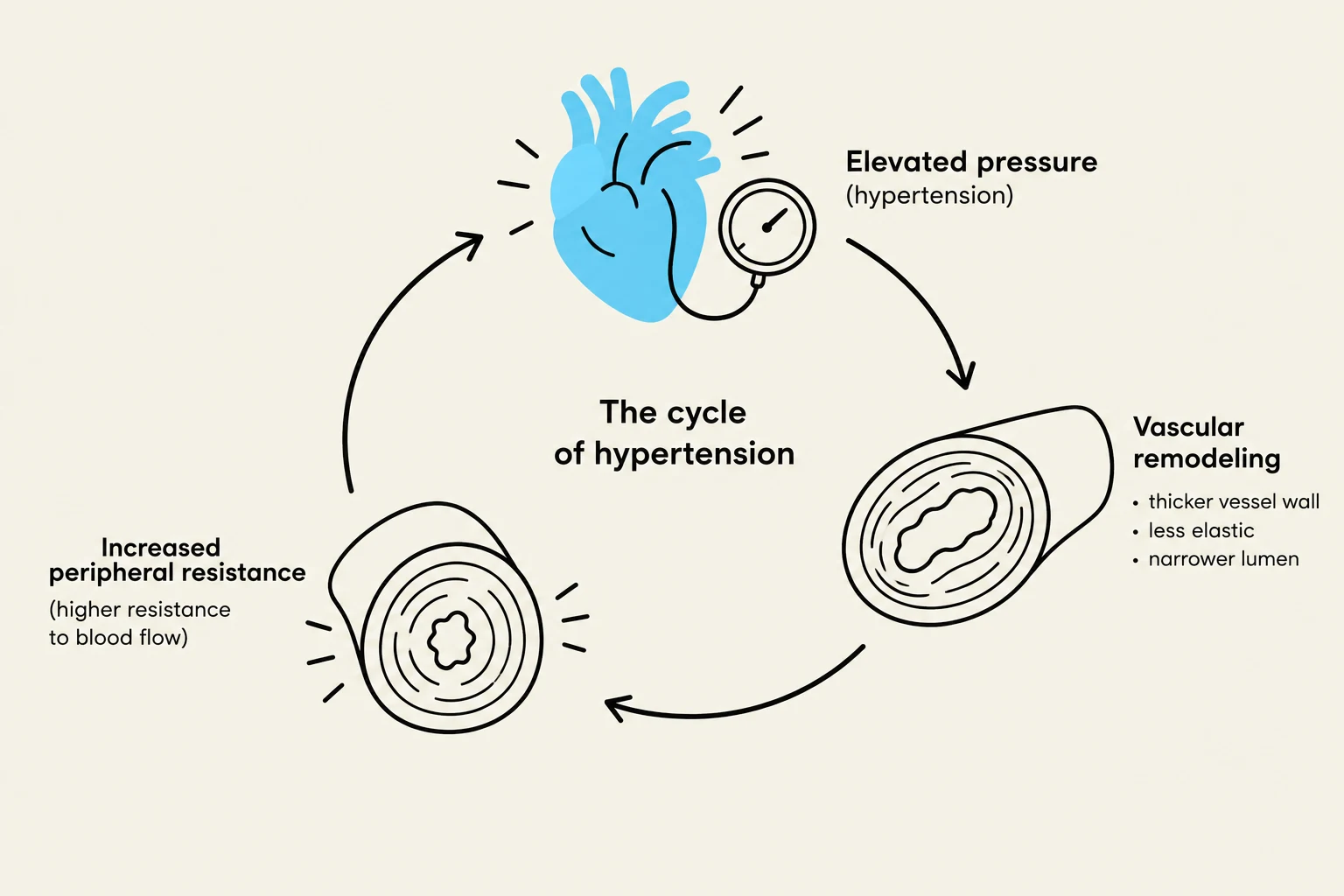
The primary mechanism by which uncontrolled hypertension causes systemic organ damage is vascular remodeling. When blood pressure remains high, the structural integrity of the blood vessel walls undergoes permanent changes. These changes increase peripheral vascular resistance, creating a vicious cycle where the heart must work harder to pump blood against higher resistance. This remodeling also promotes atherosclerosis, the buildup of fatty plaques within the arterial walls, which further narrows the vessels and restricts blood flow.
Hypertension can be classified into two types:
- Primary Hypertension: The most common form, driven by a complex interplay of genetics, stress, obesity, high sodium intake, and sedentary lifestyle.
- Secondary Hypertension: Elevated blood pressure that results from an identifiable, correctable cause, such as endocrine disorders like Cushing’s Syndrome (excess cortisol).
Target Organ Damage
The systemic nature of vascular remodeling means that hypertension affects nearly every major organ system. If left untreated, the high pressure and reduced perfusion lead to:
- Heart: Increased workload leads to left ventricular hypertrophy, coronary artery disease, and eventually heart failure.
- Brain: Accelerated cerebral atherosclerosis increases the risk of stroke and transient ischemic attacks (TIA).
- Kidneys: Hypertension is a leading cause of chronic kidney disease (CKD) via nephrosclerosis, which is the narrowing of the renal blood vessels.
- Eyes: Damage to retinal vessels can manifest as blurred vision, retinal hemorrhage, and permanent vision loss.
- Peripheral Vasculature: Increased risk of peripheral vascular disease, aortic aneurysm, and aortic dissection.
Keep reading for free.
Create an account to finish this reading and make it part of your study routine.
Continue reading freeAlready have an account? Log in
Updated