


Hygiene is a fundamental component of healthcare and personal wellness. It is defined as the set of actions and practices designed to decrease the spread or transmission of pathogens, which ultimately lessens the occurrence of illness. By maintaining proper hygiene, individuals and healthcare providers can create a barrier between the human body and the microorganisms that cause disease.
The Body's Natural Defenses: Physical Barriers
The human body is equipped with sophisticated biological systems designed to prevent pathogens from entering the internal environment. These are often referred to as physical barriers, serving as the first line of defense.
The Integumentary System
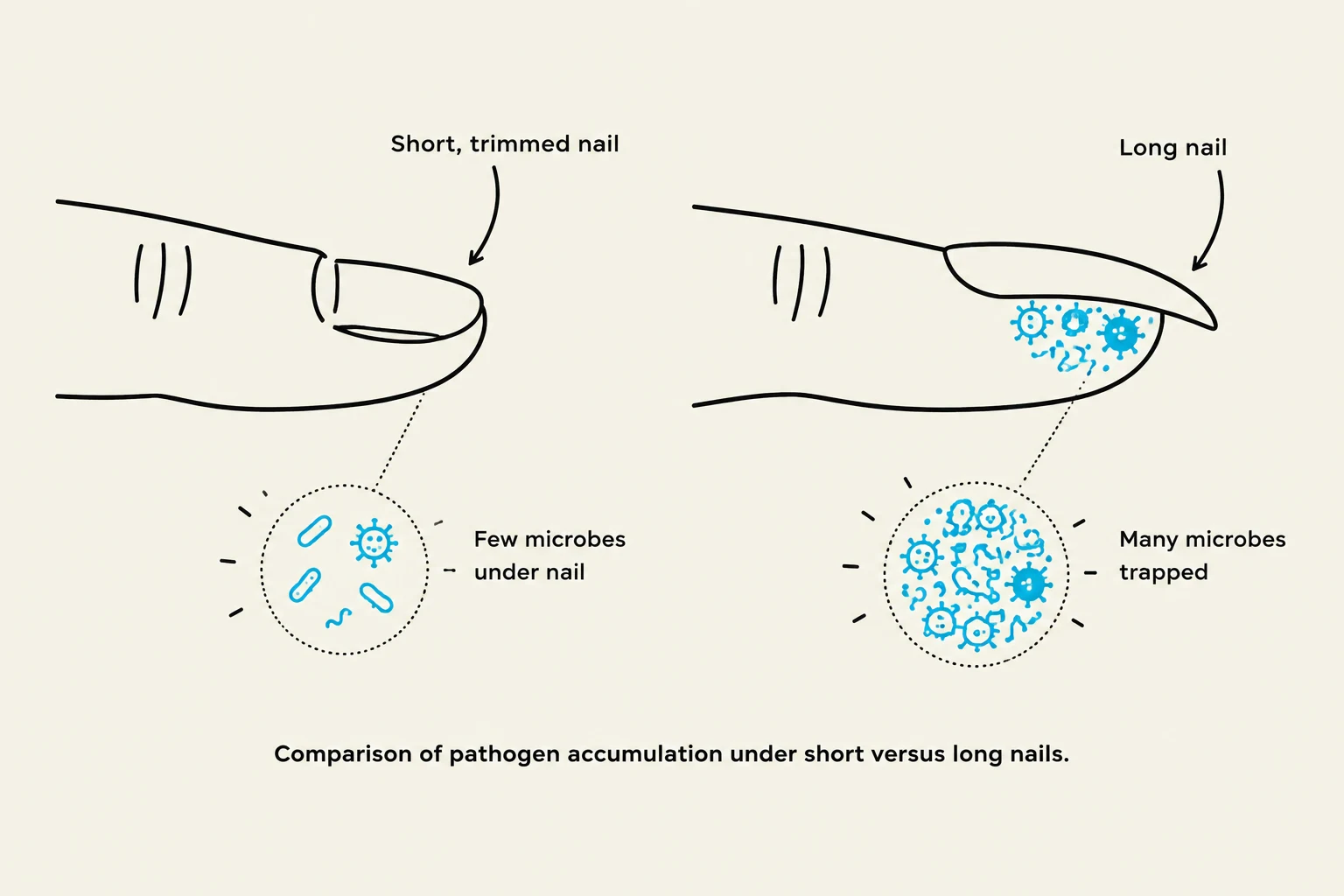
The integumentary system is a complex network consisting of the skin, hair, nails, sebaceous (oil) glands, and sweat glands. Its primary function is to block pathogens found in the external environment from entering the immune system.
The skin is the largest organ in the body and acts as a physical shield for internal structures. Within the skin, specialized cells called Langerhans cells play a critical role; they are responsible for sensing and killing pathogens that attempt to penetrate the skin.
Layers of the Skin
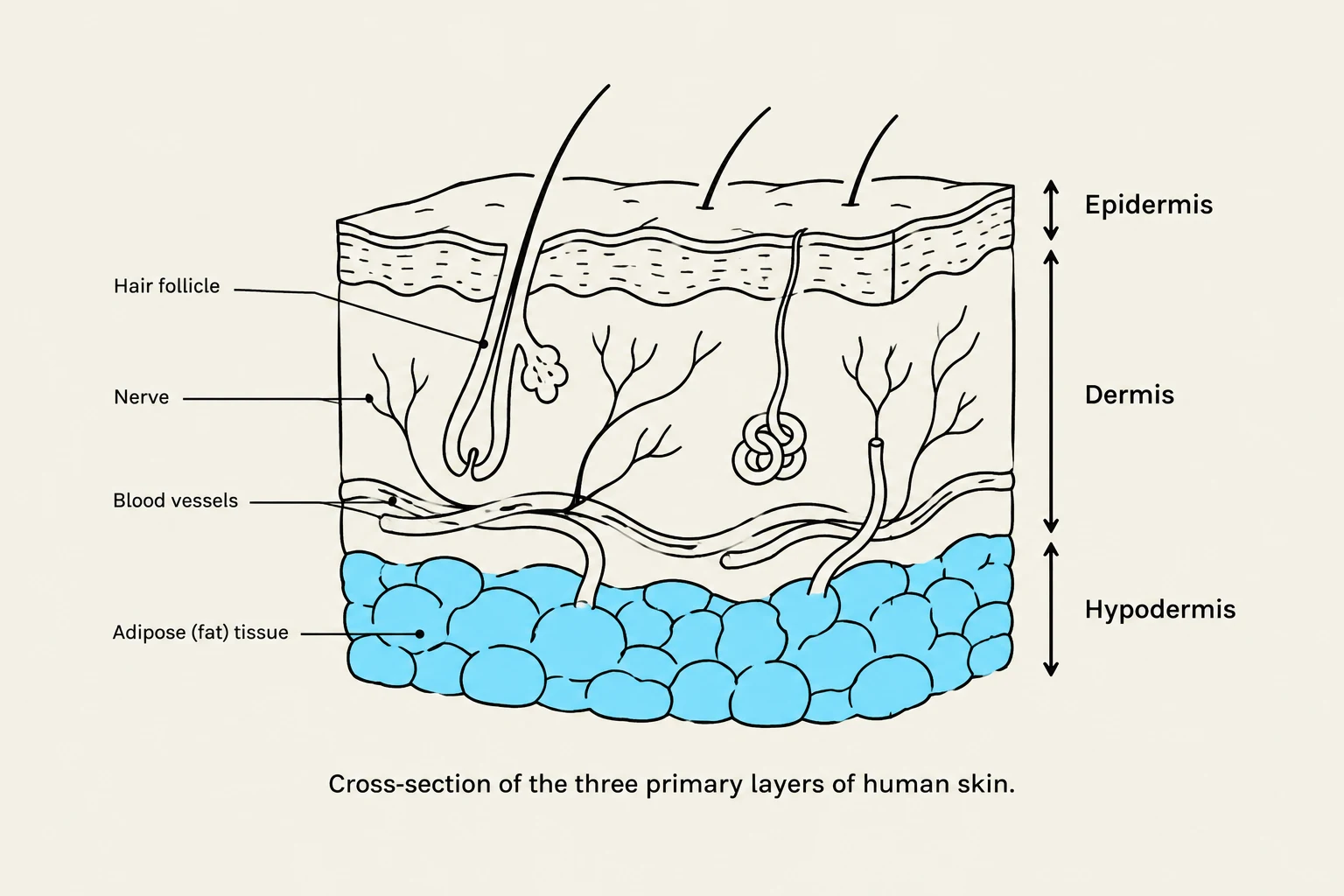
To understand how the skin protects the body, it is helpful to view it in three distinct layers:
- Epidermis: The superficial, outermost layer that sits upon the dermis and provides the primary protective surface.
- Dermis: The layer underlying the epidermis. It is composed of connective tissue, nervous tissue, blood, and blood vessels. The dermis is essential for providing the skin with its characteristic strength and elasticity.
- Hypodermis (Subcutaneous Layer): Located beneath the dermis, this layer separates the skin from the underlying organs. It contains adipose (fat) tissue, which serves two main purposes: acting as a cushion against physical trauma and providing insulation for the body.
Keep reading for free.
Create an account to finish this reading and make it part of your study routine.
Continue reading freeAlready have an account? Log in
Updated