


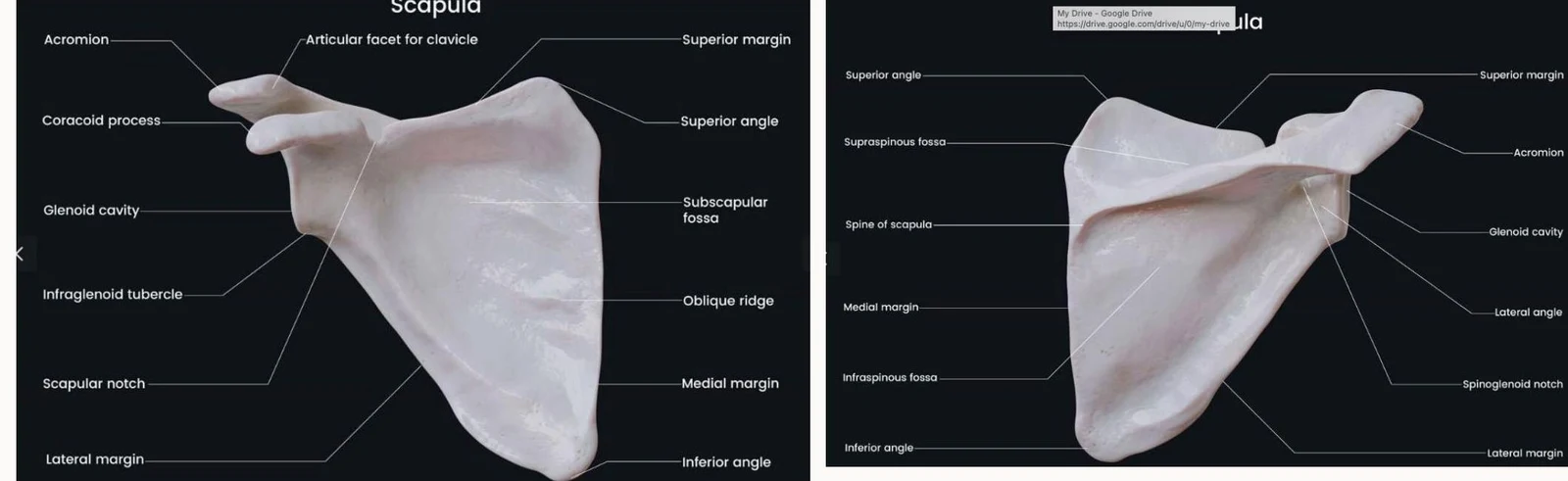
The human skeletal system is a sophisticated framework that provides structural support, protects vital organs, and facilitates movement through complex articulations. To understand human anatomy, one must distinguish between the axial skeleton—which forms the central axis of the body—and the appendicular skeleton, which includes the limbs and the girdles that attach them to the axis. This article explores the intricate relationships within the vertebral column, the skull, and the pectoral girdle.
The Vertebral Column
The vertebral column is a series of bones known as vertebrae that protect the spinal cord and support the weight of the upper body. Each vertebra possesses a vertebral foramen, a central opening through which the spinal cord passes safely. Additionally, vertebrae feature various projections, such as the transverse process, which serve as attachment points for muscles and ligaments.
The column is divided into three primary functional regions:
Cervical Vertebrae
Located in the neck region, these vertebrae are specialized for high mobility. They are essential for allowing the head to rotate and tilt, facilitating a wide range of motion for the upper visual and sensory fields.
Thoracic Vertebrae
Situated in the mid-back, these vertebrae are characterized by their connection to the rib cage. They interface with the ribs and the sternum to form the thoracic cavity, which houses and protects the heart and lungs.
Lumbar Vertebrae
Found in the lower back, the lumbar vertebrae are the largest and most robust of the spinal bones. Their massive bodies are specifically adapted to support the significant weight of the torso and to absorb the mechanical stresses of standing and walking.


Keep reading for free.
Create an account to finish this reading and make it part of your study routine.
Continue reading freeAlready have an account? Log in
Updated