


The human genome is a vast biological blueprint containing approximately 3.2 billion base pairs. While much of this information is non-coding, a small fraction—less than 2%—is dedicated to coding for roughly 29,999 genes. To fit this massive amount of information—roughly 2 meters of DNA—into a microscopic nucleus of only in diameter, the cell employs a sophisticated hierarchical packaging system. This article explores how the genome is organized, how chromosomes are classified, and the fundamental differences between the various levels of genetic material.
The Organization of Genetic Material
The journey from a single nucleotide to a visible chromosome involves extreme compression. The basic unit of this packaging is the nucleosome, which consists of approximately 147 base pairs of DNA wrapped around an octamer of histone proteins (H2A, H2B, H3, and H4). This structure gives the DNA a "beads on a string" appearance under a microscope. As the DNA further condenses, it forms chromatin fibers and eventually the highly compact structures we recognize as chromosomes during cell division.
Chromosome Classification and Structure
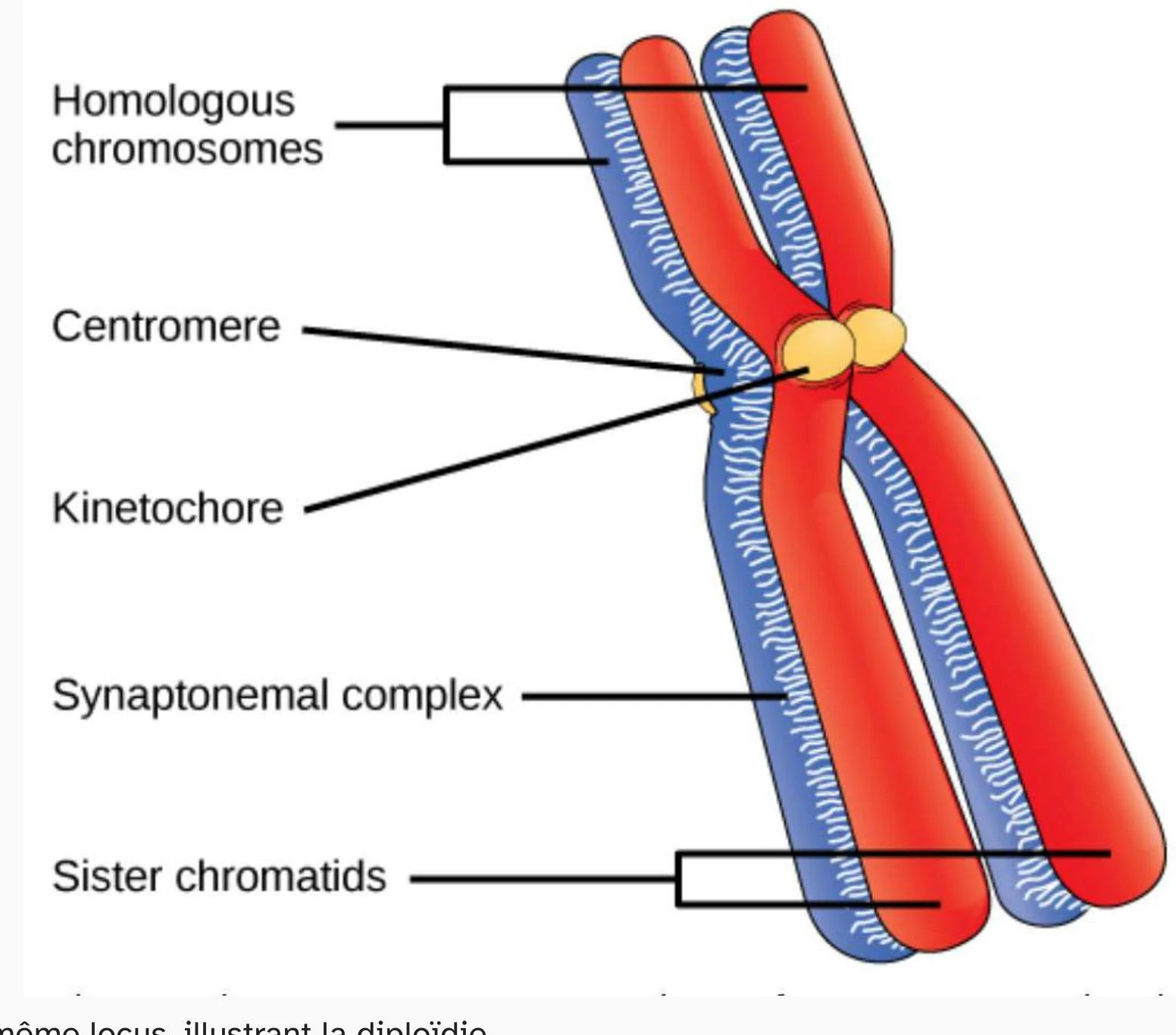
Chromosomes are not uniform in shape. They are primarily classified based on the position of the centromere, the constricted region that joins two parts of the chromosome together. The position of the centromere determines the relative lengths of the "p" arm (the shorter arm) and the "q" arm (the longer arm).
There are four main types of chromosome morphology:
- Metacentric: The centromere is located in the middle, resulting in arms of roughly equal length ().
- Submetacentric: The centromere is offset, making one arm noticeably shorter than the other ().
- Acrocentric: The centromere is located very near one end, resulting in a very short p arm. In humans, chromosomes 13, 14, 15, 21, and 22 are acrocentric; these are frequently involved in viable trisomies.
- Telocentric: The centromere is at the very tip of the chromosome. While common in some species like mice, telocentric chromosomes are absent in humans.
Keep reading for free.
Create an account to finish this reading and make it part of your study routine.
Continue reading freeAlready have an account? Log in
Updated