


In the study of human physiology, understanding how the body maintains a stable internal environment—a state known as homeostasis—is fundamental. One of the most critical ways the body achieves this stability is through the organization of water into distinct, specialized compartments. These compartments allow the body to isolate specific biochemical processes, create gradients that store potential energy, and regulate the movement of nutrients and waste.
Total Body Water and Compartmentalization
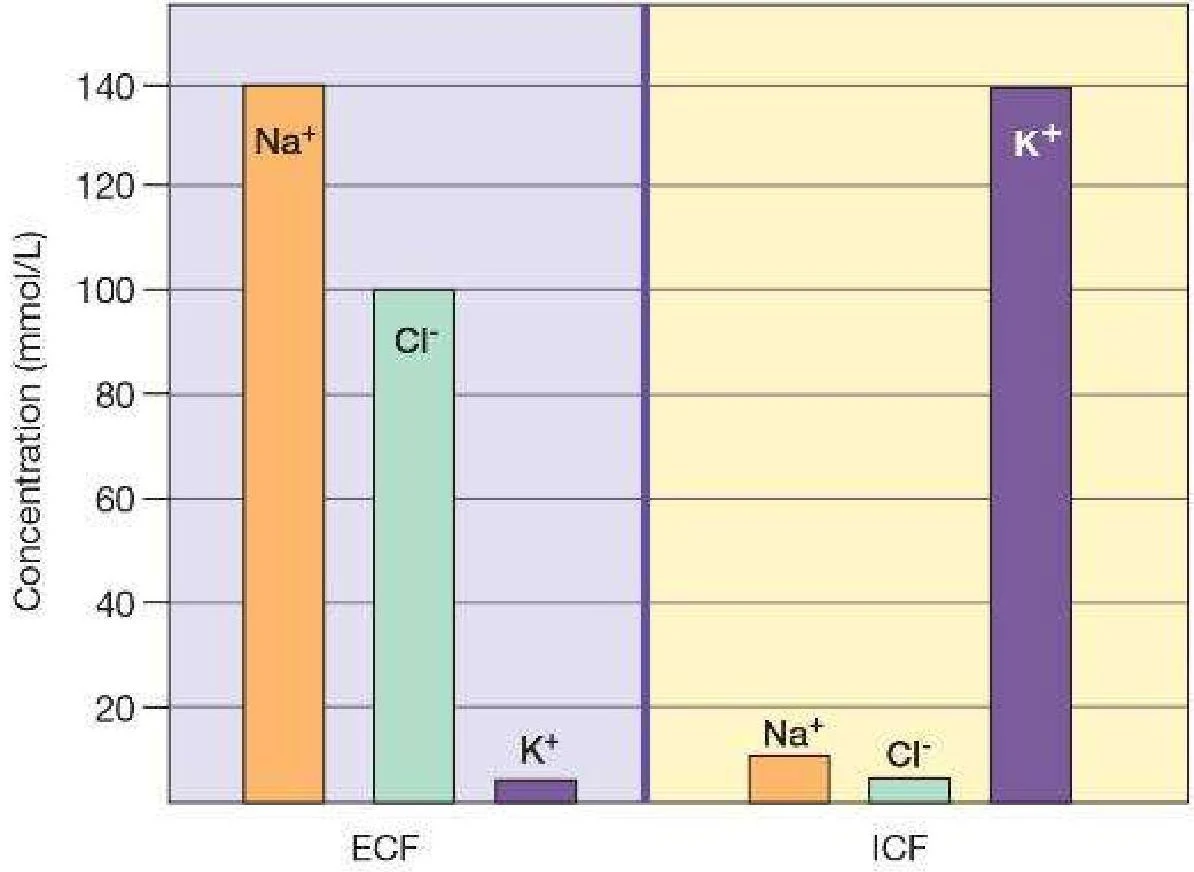
Total Body Water (TBW) constitutes approximately $60%$ of an individual's total body weight. For a standard adult male, this equates to roughly of fluid. Rather than being a single, uniform pool of liquid, this water is divided into two primary functional compartments based on their location relative to the cell membrane:
- Intracellular Fluid (ICF): This is the fluid contained within the cells. It represents the largest portion of TBW, approximately of the total.
- Extracellular Fluid (ECF): This is the fluid located outside the cells. It makes up approximately of the TBW.
The ECF acts as a vital buffer zone between the external environment and the delicate intracellular environment.
Subdivisions of the Extracellular Fluid
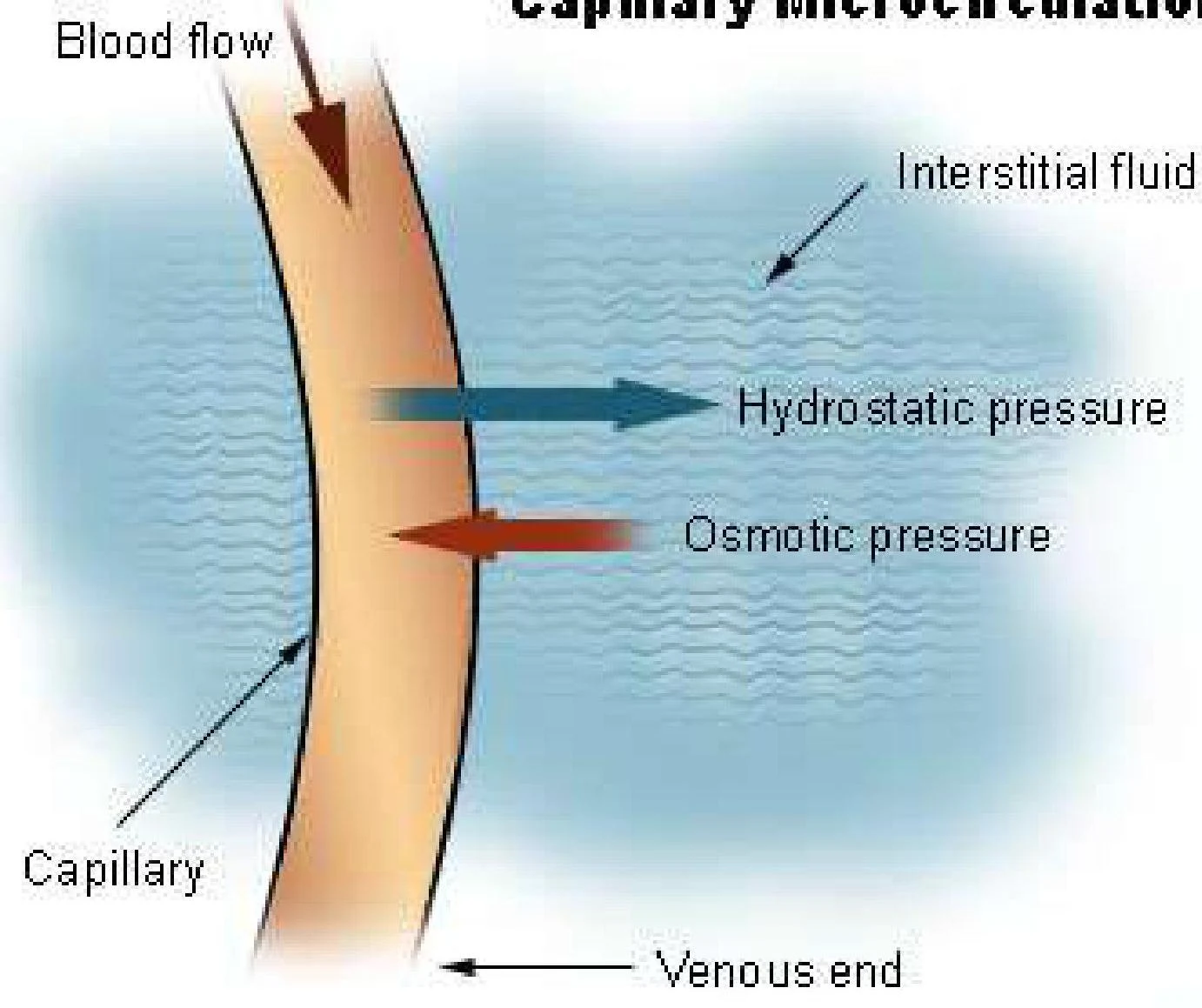
To understand how nutrients are delivered to cells and how waste is removed, we must look closer at the Extracellular Fluid. The ECF is further subdivided into two specific components:
- Interstitial Fluid: This is the fluid that surrounds the cells, bathing them in a controlled environment. It accounts for of the ECF.
- Plasma: This is the liquid component of the blood that travels through the circulatory system. It accounts for of the ECF.
Keep reading for free.
Create an account to finish this reading and make it part of your study routine.
Continue reading freeAlready have an account? Log in
Updated