


The human body requires a constant, steady supply of energy to function, primarily in the form of glucose. However, maintaining the concentration of glucose in the bloodstream is a delicate balancing act. If levels rise too high (hyperglycemia), it can lead to systemic damage; if they drop too low (hypoglycemia), the brain and other vital organs may fail. This homeostasis is achieved through a complex interplay of hormones that act as chemical messengers, either stimulating the release of glucose into the blood or facilitating its uptake into cells.
The Drivers of Hyperglycemia: Raising Blood Glucose
When the body needs more energy—such as during fasting, stress, or intense physical activity—various agents work to increase the concentration of glucose in the blood.
Dietary Intake and Carbohydrates
The most direct external driver of blood glucose fluctuations is the consumption of carbohydrates. When we eat, carbohydrates are broken down into glucose, which enters the bloodstream, naturally raising blood sugar levels.
Key Hyperglycemic Hormones
Several hormones act as "counter-regulatory" agents to prevent blood sugar from dropping too low:
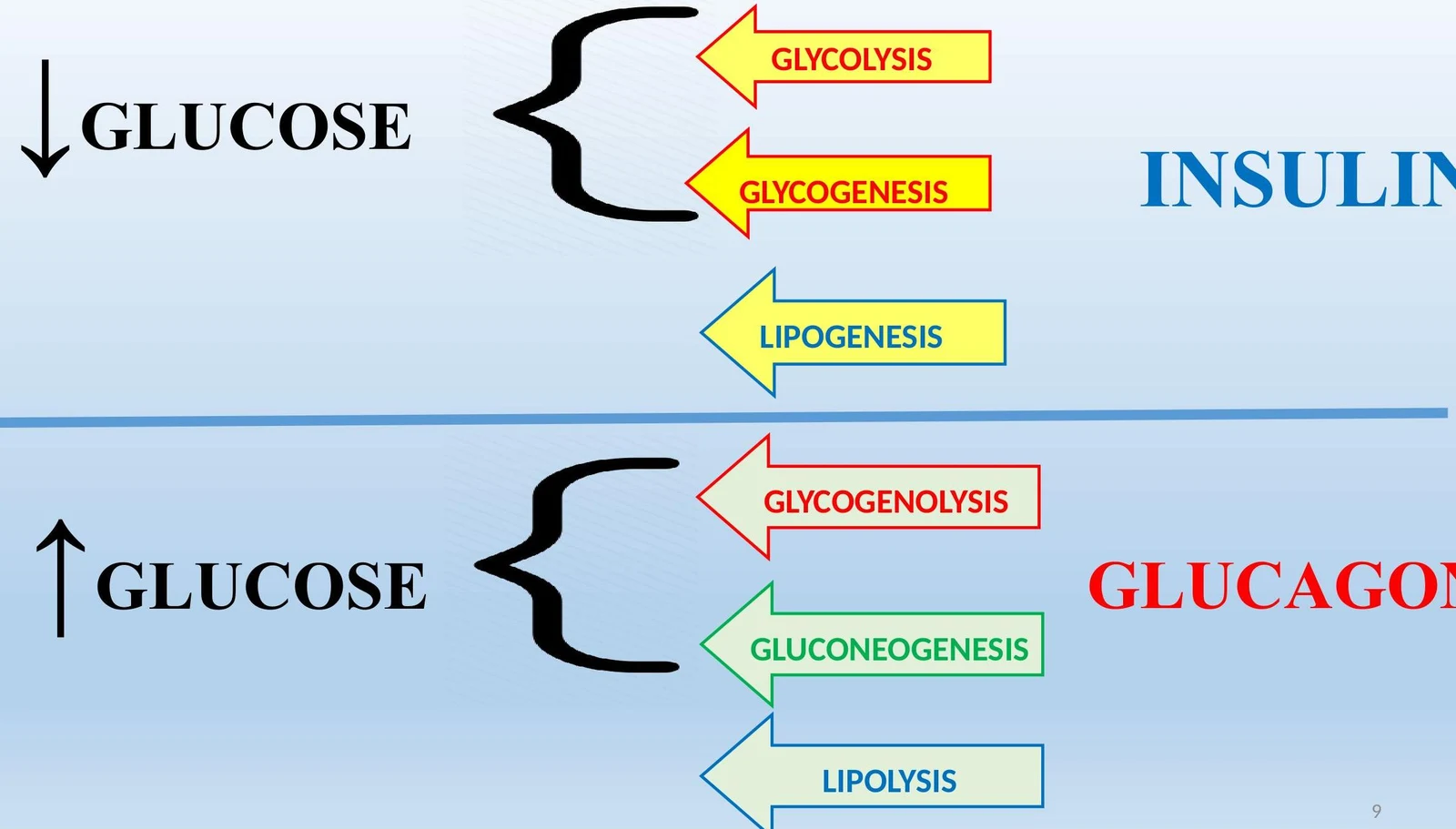
- Glucagon: Produced by the pancreas, glucagon is a primary regulator that stimulates the liver to release glucose. It achieves this through processes like glycogenolysis (breaking down stored glycogen into glucose) and gluconeogenesis (creating glucose from non-carbohydrate sources like amino acids).
- Cortisol: A steroid hormone released during stress, cortisol promotes gluconeogenesis to ensure the body has enough fuel to handle a perceived threat.
- Catecholamines (Epinephrine): During "fight or flight" scenarios, these hormones trigger a rapid release of glucose to provide immediate energy for muscles.
- Growth Hormone: This hormone assists in increasing glucose availability to support bodily growth and metabolic needs.
- Sex Hormones (Estrogen and Progesterone): Both estrogen and progesterone are identified as factors that can contribute to raising blood glucose levels.
Keep reading for free.
Create an account to finish this reading and make it part of your study routine.
Continue reading freeAlready have an account? Log in
Updated