


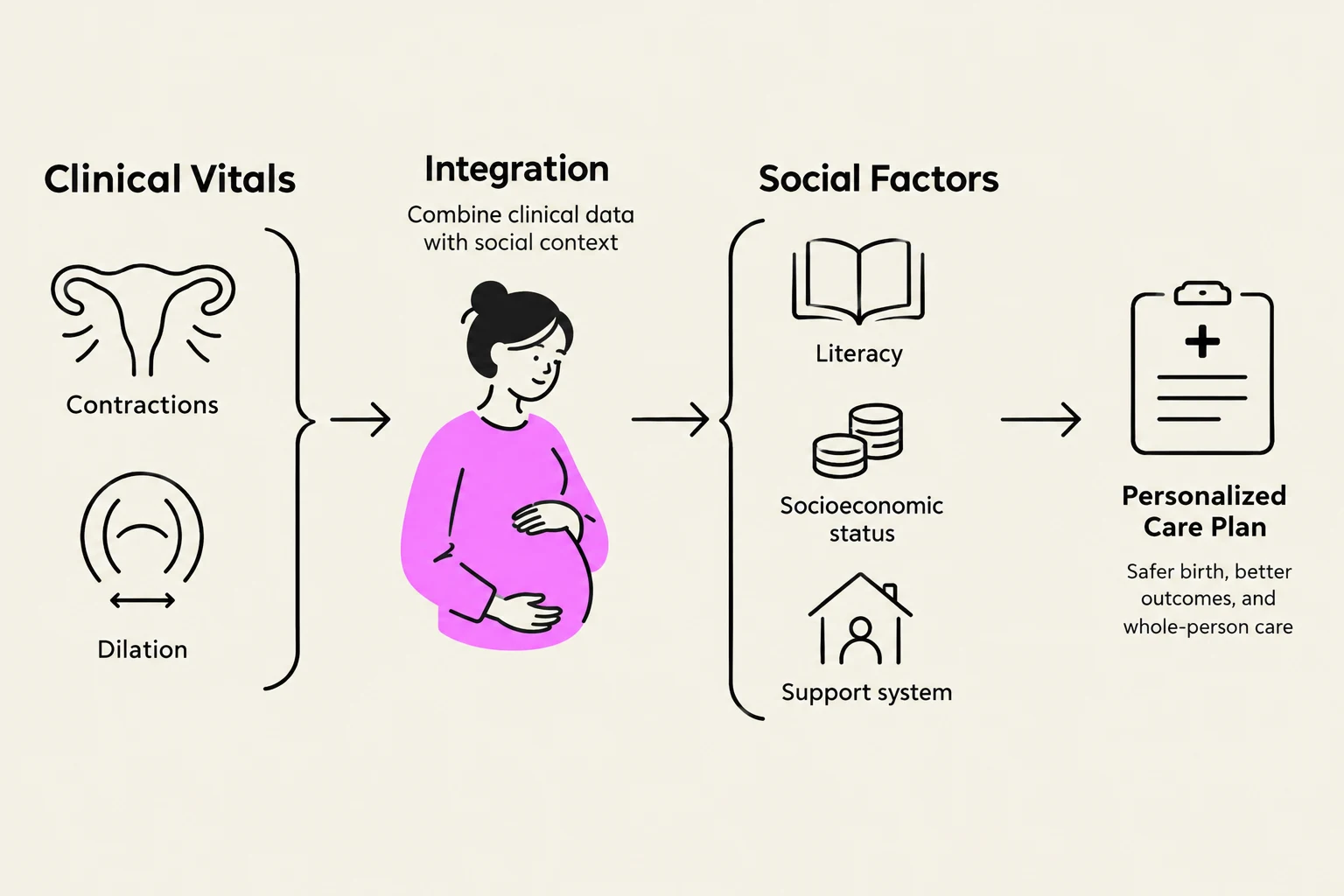
In the high-stakes environment of labor and delivery, clinical competence extends far beyond monitoring fetal heart rates and contraction frequency. While physiological assessments—such as checking the patient's biome, fetal station, and cervical dilation—are fundamental, they represent only one dimension of care. To provide truly safe and effective obstetric care, clinicians must adopt a holistic approach that integrates a patient's medical history with their social, demographic, and cultural background. Because obstetric care is not a "one size fits all" discipline, individualizing the plan of care is essential to meeting the unique needs of every person entering the delivery room.
The Holistic Maternal Assessment
A comprehensive assessment begins with the standard clinical checks: monitoring the baby, assessing the frequency and strength of contractions, and performing a vaginal exam to determine progress. However, a clinician must also bridge the gap between the hospital and the patient's life outside its walls by reviewing prenatal records. For instance, a patient who has received zero prenatal care may present with different risks and may require a more intensive or expensive assessment protocol compared to those with regular prenatal visits.
Beyond the physical, clinicians must evaluate the patient's socioeconomic background and demographic information. These factors are not merely "social" details; they are clinical indicators that help tailor the plan of care to the patient's actual resources and living situation.
Furthermore, assessing health literacy is a critical component of communication. In a clinical setting, literacy does not necessarily refer to the ability to read a book, but rather to the patient's level of understanding regarding the medical instructions and information provided by the healthcare team. Clinicians must be prepared to translate complex medical jargon into understandable language to ensure the patient can make informed decisions.
Keep reading for free.
Create an account to finish this reading and make it part of your study routine.
Continue reading freeAlready have an account? Log in
Updated