


The liver is a remarkably complex organ, performing up to 500 unique functions ranging from protein synthesis and lipid metabolism to the detoxification of drugs and hormones. Because it receives a dual blood supply—oxygenated blood from the hepatic artery and nutrient/toxin-rich blood from the hepatic portal vein—it is uniquely positioned to process everything absorbed from the gastrointestinal tract. However, this central role makes the liver highly susceptible to damage from toxins, viruses, and metabolic imbalances. This article explores the spectrum of hepatobiliary pathologies, from acute drug-induced toxicity to the complex landscape of benign and malignant neoplasms.
Acetaminophen-Induced Liver Damage
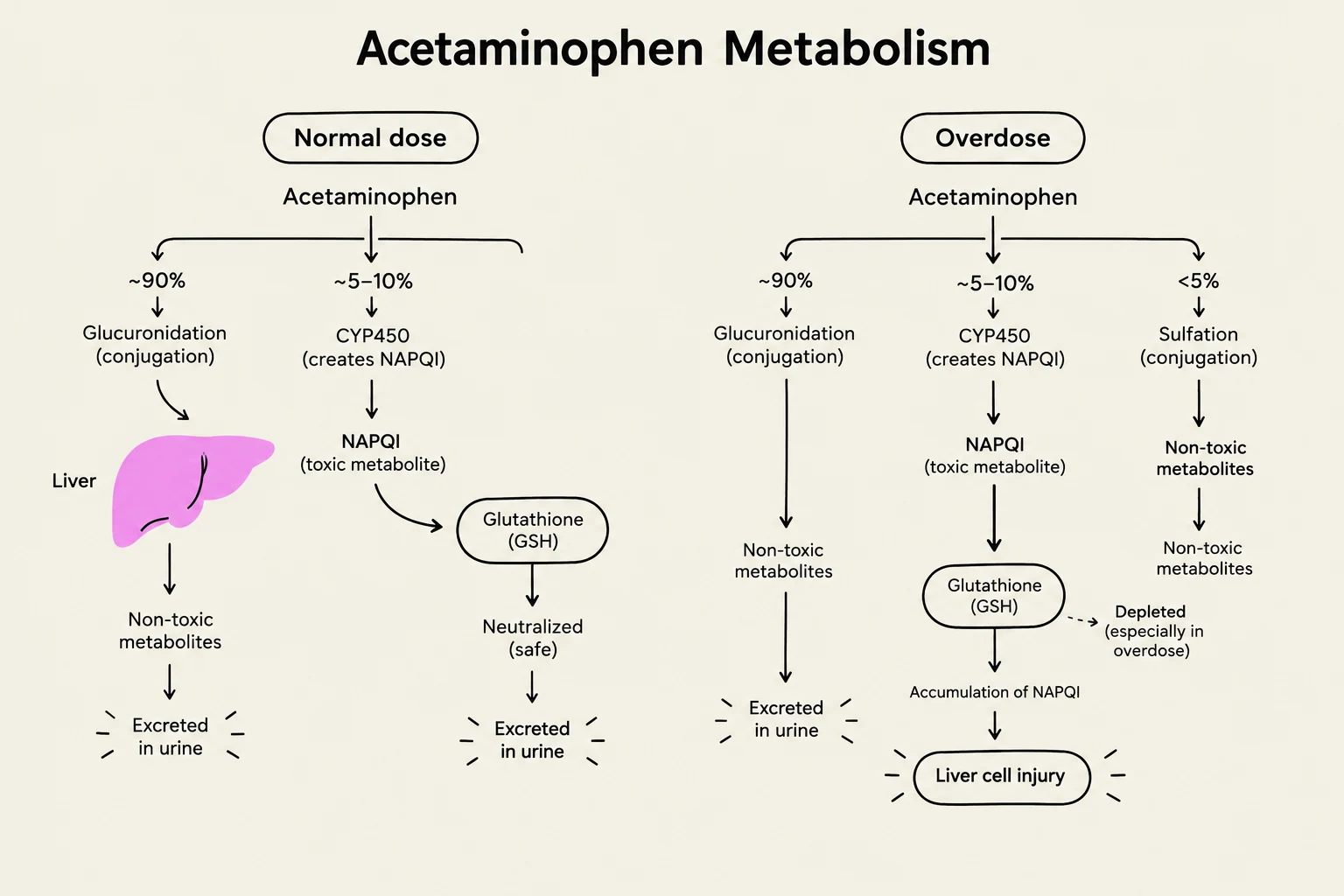
One of the most critical acute pathologies encountered in clinical practice is acetaminophen-induced liver damage. While acetaminophen is a widely used analgesic, an overdose can overwhelm the liver's metabolic capacity.
Under normal conditions, acetaminophen is metabolized by liver P450 enzymes. A small portion is converted into a toxic metabolite, which the liver then neutralizes by binding it to glutathione (GSH), creating a harmless substance. In an overdose scenario, the liver's glutathione reserves become depleted. Without sufficient glutathione, the toxic metabolite accumulates, leading to massive oxidative damage to hepatocytes.
Clinical manifestations often include nausea, vomiting, right upper quadrant (RUQ) pain, and jaundice. In severe cases, patients may progress to hepatic encephalopathy or acute renal failure. Diagnosis is confirmed through serum acetaminophen levels and elevated liver enzymes, specifically AST (aspartate aminotransferase) and ALT (alanine aminotransferase), as well as increased prothrombin time and bilirubin.
Clinical Management Tip: Treatment is time-sensitive. Activated charcoal may be used to prevent further absorption if the patient presents early, but the definitive antidote is N-acetylcysteine (NAC), which works by replenishing the liver's glutathione stores.

Keep reading for free.
Create an account to finish this reading and make it part of your study routine.
Continue reading freeAlready have an account? Log in
Updated