


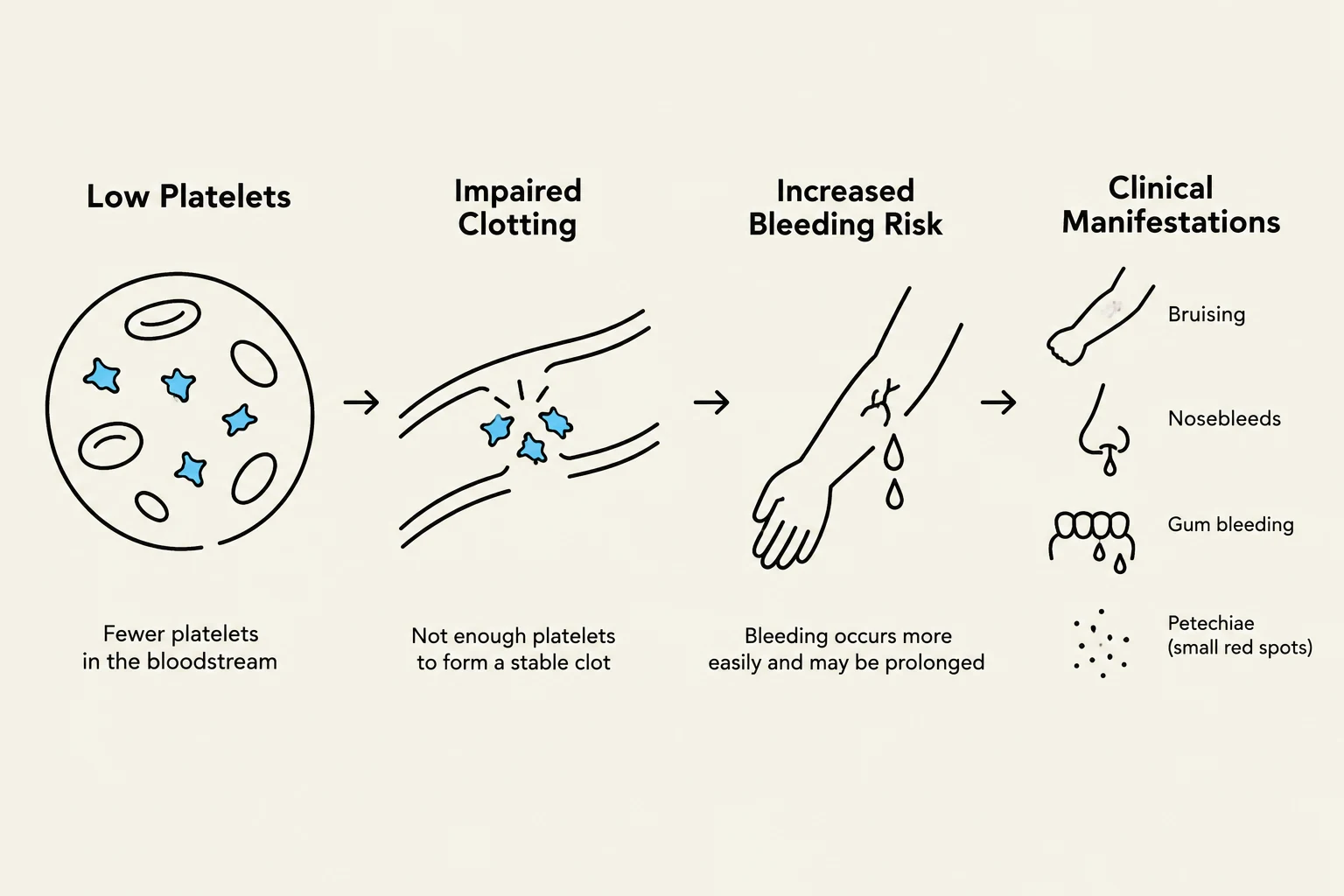
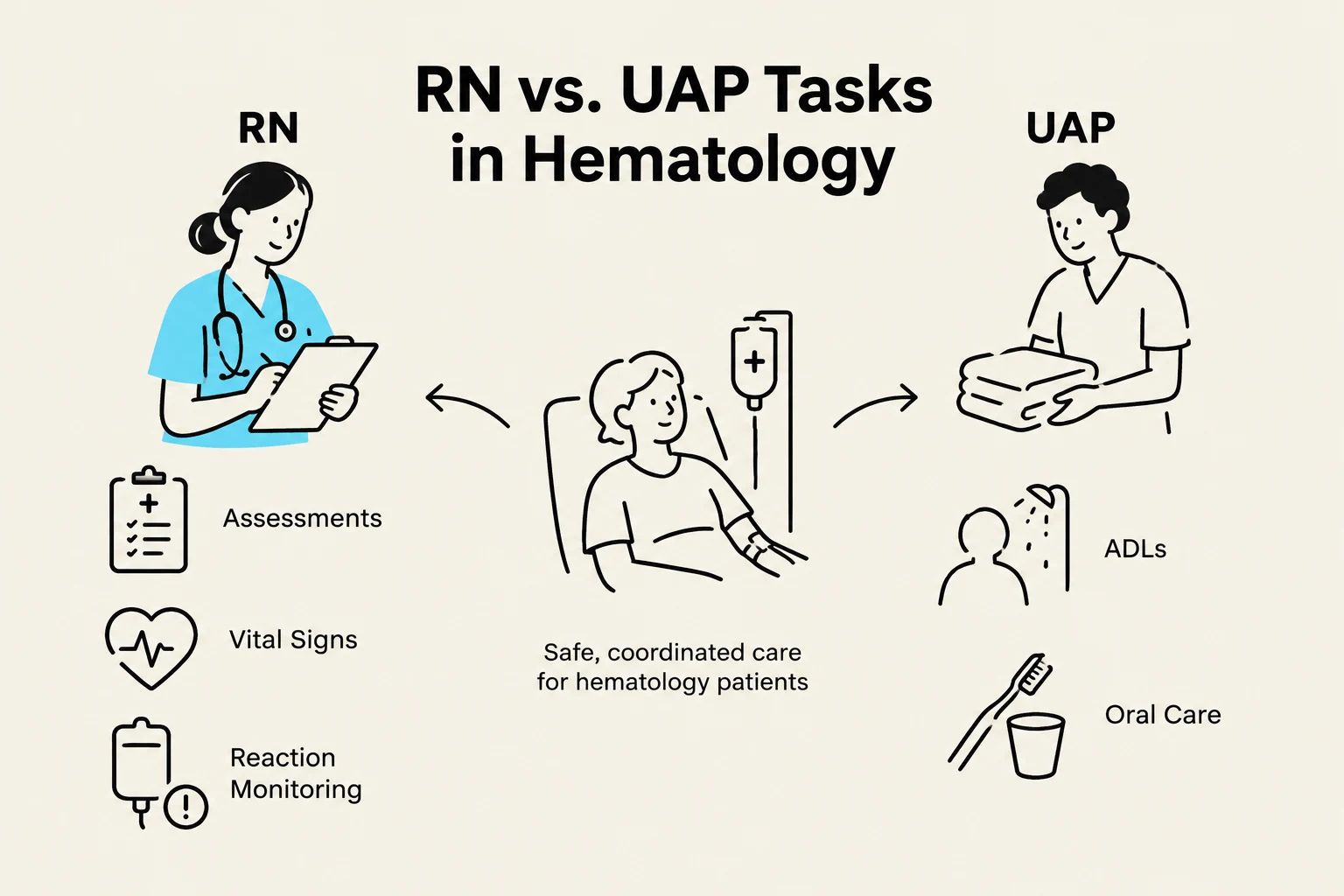
Hematological diseases encompass a wide range of disorders affecting the blood, bone marrow, and the complex mechanisms responsible for clotting and oxygen transport. For nursing professionals, managing these patients requires a dual focus: vigilant monitoring of laboratory values and the implementation of targeted interventions to prevent life-threatening complications like hemorrhage or systemic infection. This article reviews critical hematological conditions, including sickle cell anemia, disseminated intravascular coagulation (DIC), and thrombocytopenia, while highlighting essential nursing responsibilities in medication administration and delegation.
Sickle Cell Anemia and Crisis Management
Sickle cell anemia is a genetic disorder where red blood cells take on a crescent or "sickle" shape, particularly under conditions of low oxygen or dehydration. These abnormally shaped cells can obstruct blood flow, leading to tissue ischemia and intense pain.
When a patient experiences a sickle cell crisis, the nursing priorities shift toward immediate symptom relief and physiological stabilization. The two most critical interventions are:
- Pain Management: The pain associated with a sickle cell crisis is often excruciating. Nurses must prioritize the administration of analgesics and, crucially, evaluate the effectiveness of opioid analgesics to ensure the patient's pain is adequately controlled.
- Hydration: Dehydration increases blood viscosity and promotes further sickling. Nurses must ensure adequate fluid intake, whether through oral routes or intravenous (IV) fluids, to maintain blood volume and prevent further cellular sickling.

Exam Tip: In a sickle cell crisis, do not limit fluid intake. While some might think restricting fluids helps, the priority is actually aggressive hydration to reduce the concentration of sickled cells in the bloodstream.
Keep reading for free.
Create an account to finish this reading and make it part of your study routine.
Continue reading freeAlready have an account? Log in
Updated