


Losing a loved one is an overwhelming emotional experience, often compounded by a sudden surge of logistical responsibilities. In the immediate aftermath of a death, survivors are frequently tasked with making significant decisions regarding ceremonies, legalities, and tributes—all while navigating the stages of grief.
Understanding the specific tasks involved in funeral planning can help reduce the cognitive load on grieving families, allowing them to honor the deceased with intention and care. This article outlines the essential considerations for survivors, from initial arrangements to the creation of lasting memorials.
Immediate Notifications and Communication
The first step in managing a death is ensuring that the right people are informed. Survivors should begin by creating a list of relatives, friends, and colleagues who need to be notified as soon as possible.
In the modern era, digital communication adds a layer of complexity. It is important to decide early on what content will be shared on social media to ensure the family's privacy is respected and that information is disseminated accurately.
Tip for Survivors: When asking for help, be specific. Instead of saying "let me know if you need anything," ask a trusted friend to coordinate meals for the first few days or to assist with childcare.
Funeral Arrangements and Body Disposition
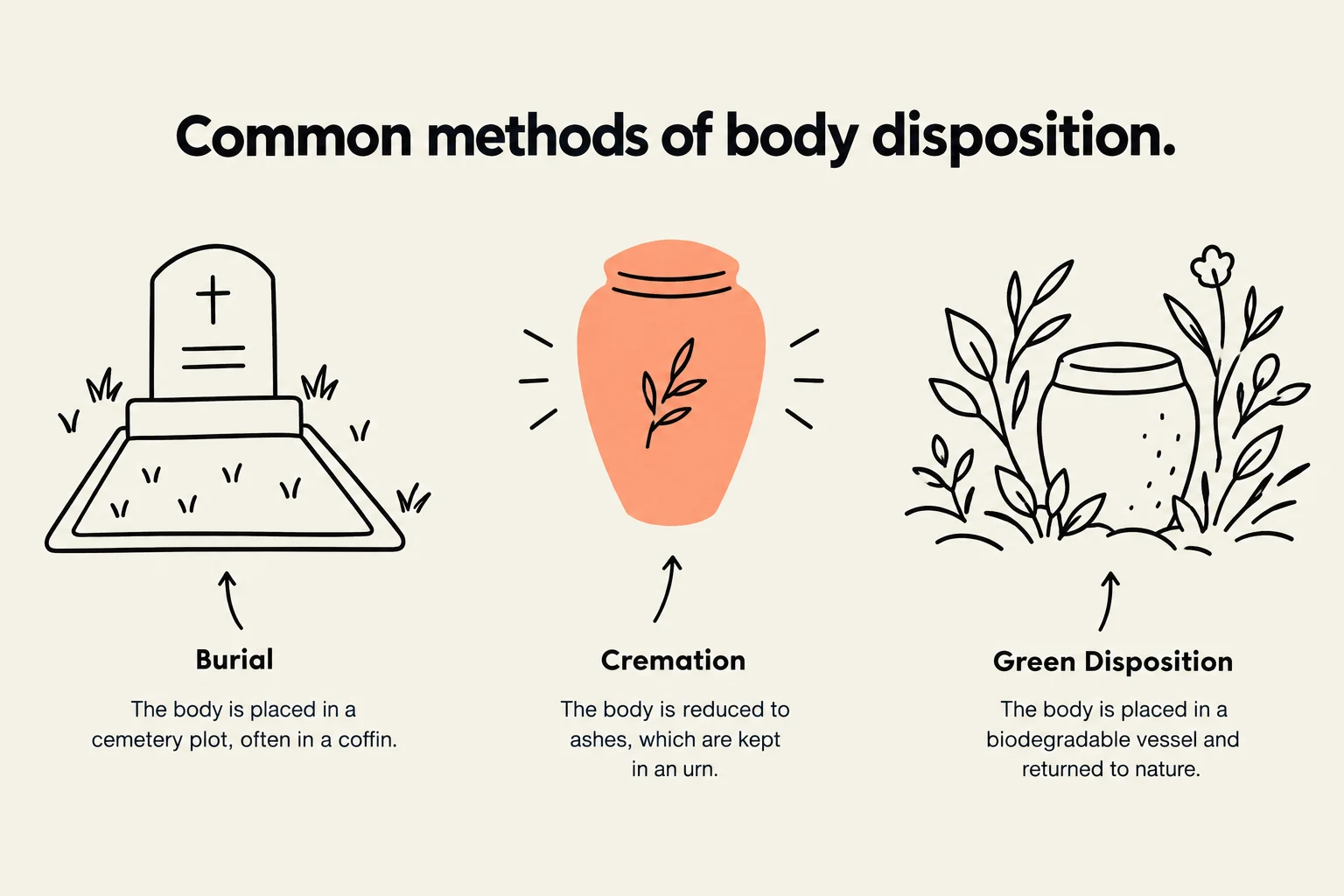
Determining Intent
The first priority is to check if the deceased left specific instructions regarding a funeral, a memorial service, or the disposition of their body. If no prior plan exists, survivors must decide on an appropriate course of action.

Keep reading for free.
Create an account to finish this reading and make it part of your study routine.
Continue reading freeAlready have an account? Log in
Updated