


When we think of DNA, we often visualize the blueprint for life—the specific instructions required to build proteins and maintain cellular function. However, if you were to look at the entire genome of a complex organism, you would find that the "instructions" represent only a tiny fraction of the total genetic material. Understanding genome composition requires us to distinguish between the sequences that actually code for proteins and the vast stretches of DNA that do not.
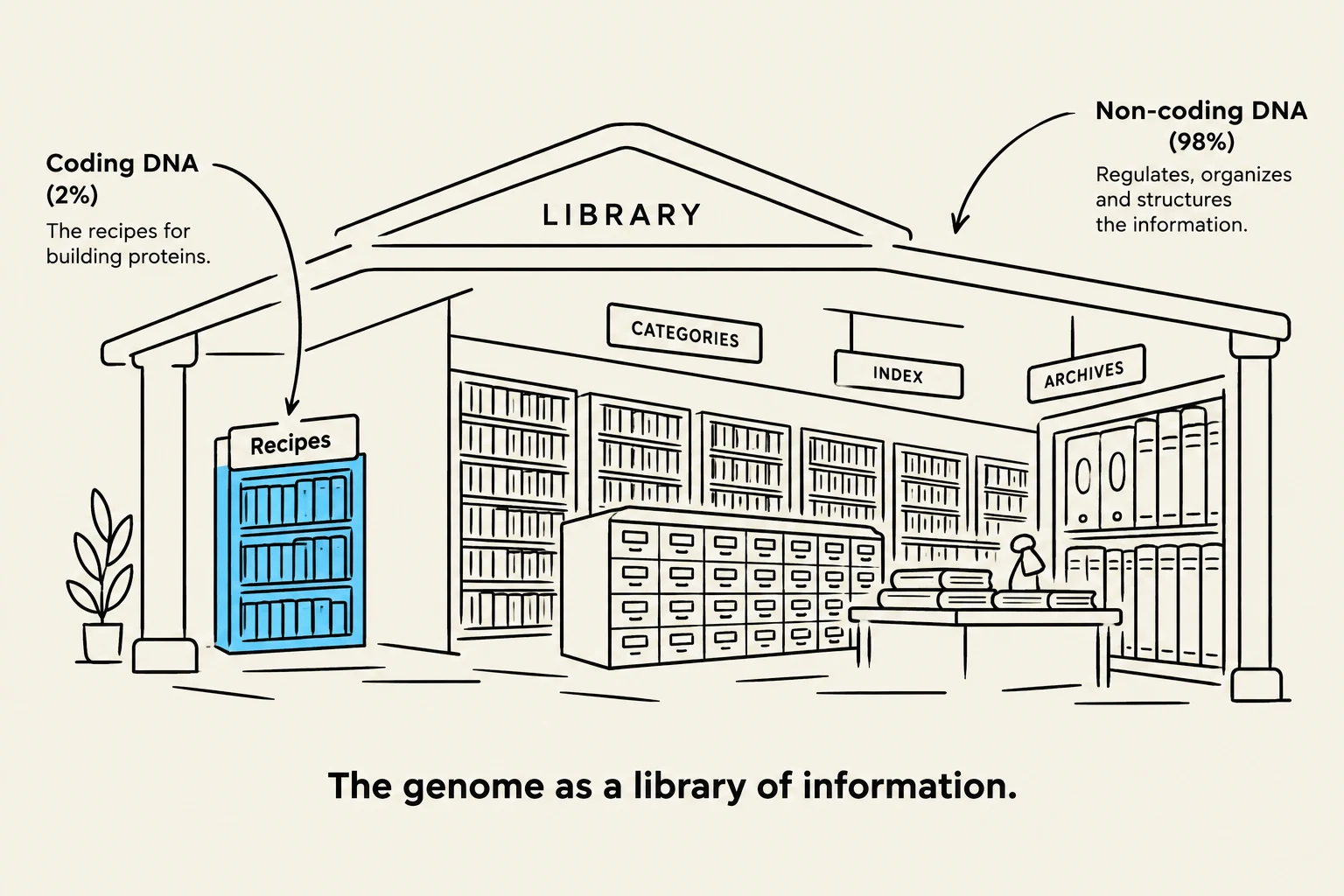
The Two Faces of DNA: Coding vs. Non-Coding
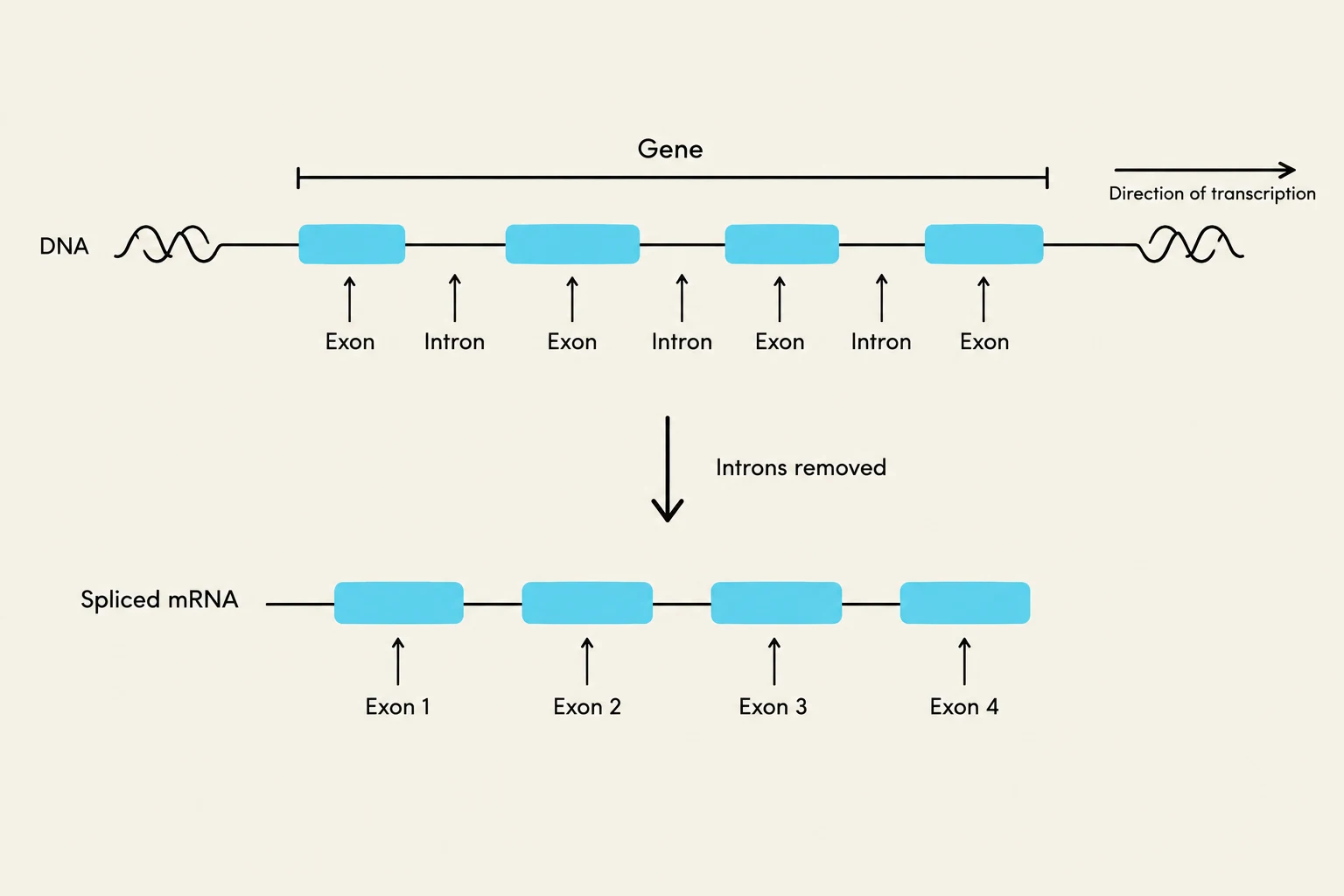
Coding DNA (Exons)
Coding DNA consists of the sequences that provide the template for protein synthesis. These segments are often referred to as genes. In eukaryotes, these coding regions are frequently interrupted by non-coding sequences, but the specific parts that are eventually expressed to create a protein are known as exons. The primary role of coding DNA is to dictate the amino acid sequence of proteins, which in turn determines the structure and function of the cell.
Non-Coding DNA
For a long time, scientists referred to the non-coding portions of the genome as "junk DNA" because they do not produce proteins. We now know this is a significant misconception. Non-coding DNA makes up the vast majority of the genome in most complex organisms. While these sequences do not code for proteins, they are far from useless. They serve critical regulatory roles, including:
Keep reading for free.
Create an account to finish this reading and make it part of your study routine.
Continue reading freeAlready have an account? Log in
Updated