


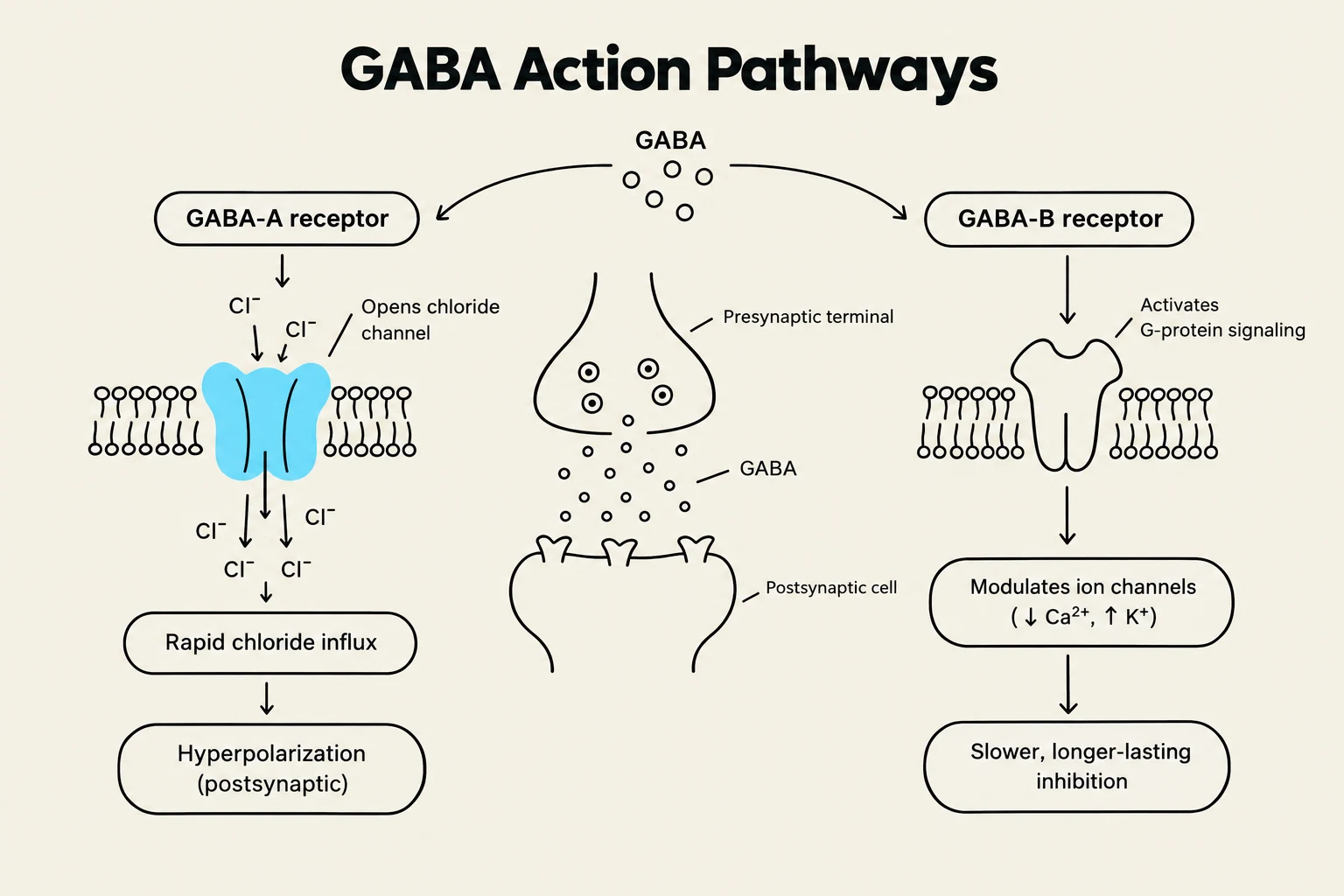
In the complex landscape of the central nervous system (CNS), balance is maintained between excitatory and inhibitory signals. -Aminobutyric Acid (GABA) serves as the primary inhibitory neurotransmitter in the brain. It is estimated that approximately one-third of all brain synapses are GABAergic. By modulating these synapses, clinicians can induce states of sedation, amnesia, and unconsciousness—the fundamental goals of anesthesia. Understanding the two distinct classes of GABA receptors—ionotropic and metabotropic—is essential for mastering the pharmacology of intravenous (IV) anesthetic agents.
Classification of IV Anesthetic Agents
When selecting an intravenous agent, clinicians must consider properties such as potency, onset, duration, and hemodynamic stability. While no "ideal" agent exists, they are generally classified by their chemical structure and their primary mechanism of action:
- Isopropylphenols: Propofol and its prodrug, Fospropofol.
- Barbiturates: Thiopental and Methohexital.
- Benzodiazepines: Midazolam, Diazepam, and Lorazepam.
- Carboxylated Imidazoles: Etomidate.
- Arylcyclohexylamines: Ketamine.
- Alpha-2 Adrenergic Agonists: Dexmedetomidine.
Most of these agents (excluding Ketamine and Dexmedetomidine) exert their primary hypnotic effects by modulating GABA receptors.
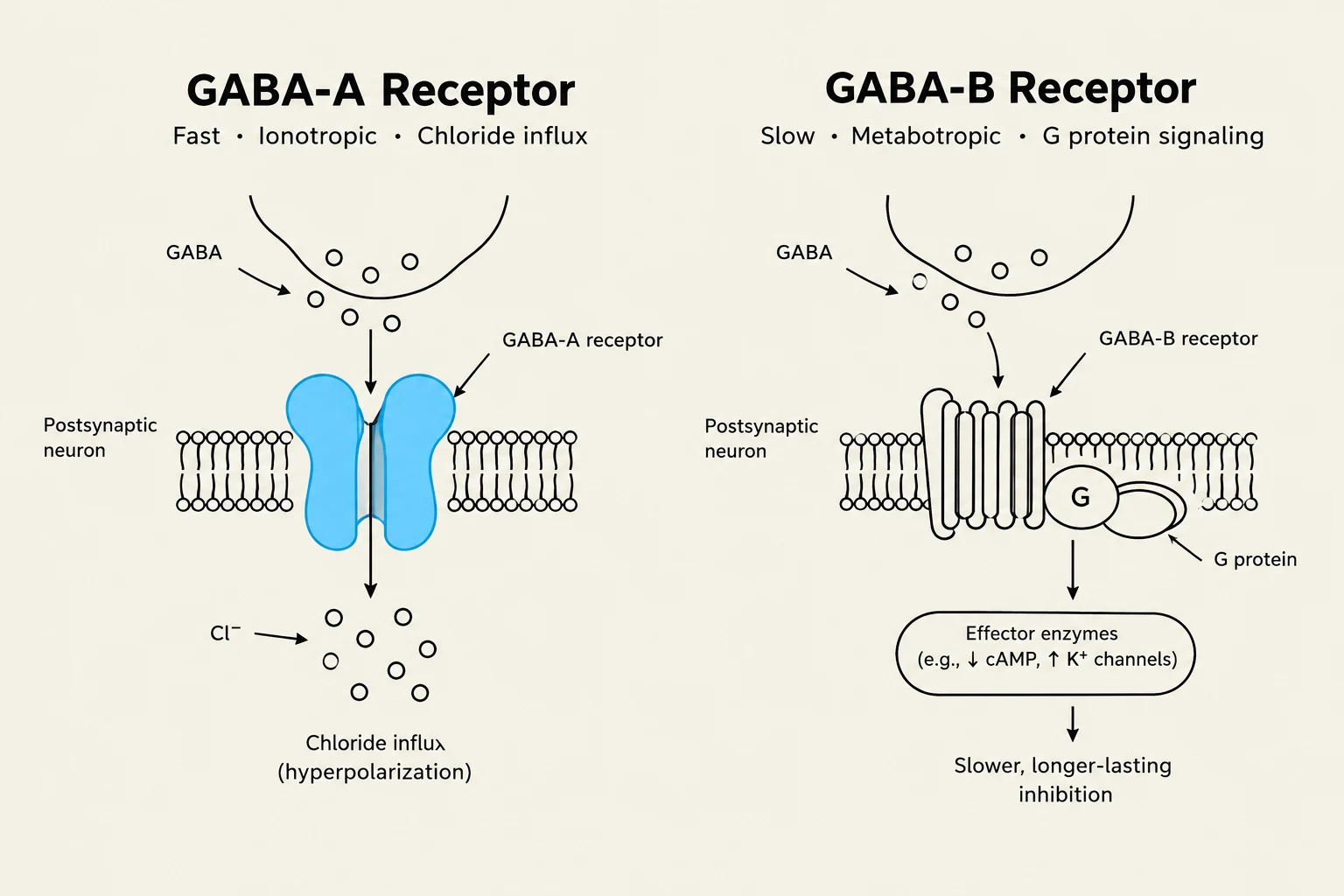
The GABA-A Receptor: Fast Inhibition
The GABA-A receptor is a ligand-gated ion channel, also known as an ionotropic receptor. These receptors are responsible for fast, synaptic inhibition within the CNS.
Structure and Mechanism
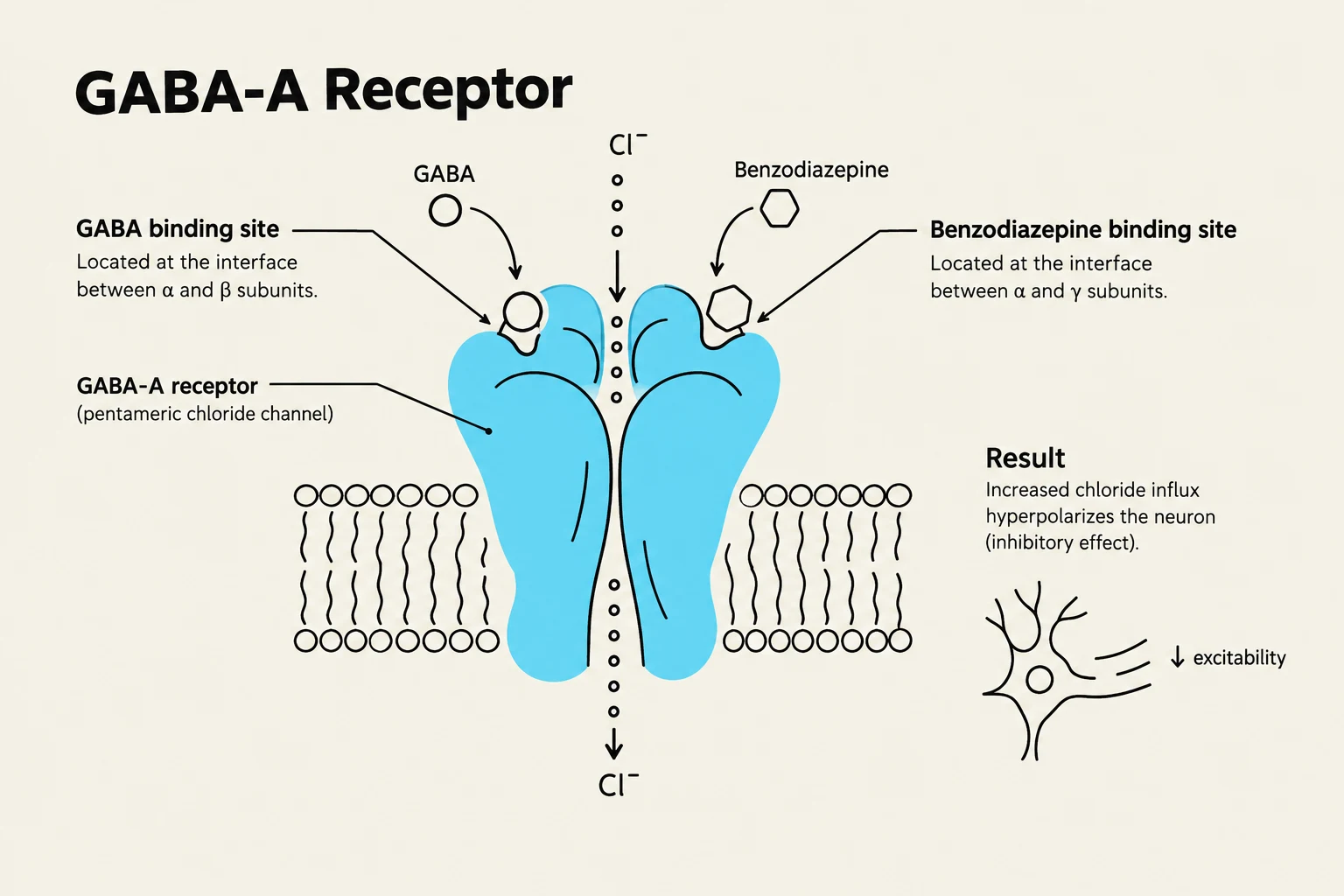
GABA-A receptors are large macromolecular complexes composed of five protein subunits—typically a combination of and . A common configuration is the stoichiometry.
The mechanism of action relies on chloride ion flux. When GABA binds to its specific site on the receptor, the channel opens, allowing negatively charged chloride ions ($Cl^-$) to flow into the neuron. This influx increases the negative charge inside the cell, leading to postsynaptic hyperpolarization. This hyperpolarization moves the membrane potential further from the threshold required to fire an action potential, thereby inhibiting neuronal activity.
Keep reading for free.
Create an account to finish this reading and make it part of your study routine.
Continue reading freeAlready have an account? Log in
Updated