


Fungi are a diverse group of eukaryotic organisms that play critical roles in Earth's ecosystems, from decomposing complex organic matter like lignin to forming symbiotic relationships with plants. While they can reproduce asexually through fragmentation or the production of vegetative spores called conidia, their sexual reproductive cycles are remarkably complex and distinct from those of plants or animals. Understanding these cycles requires looking closely at the transitions between different ploidy levels—the number of sets of chromosomes in a cell.
The Sexual Cycle: From Hyphae to Mushrooms
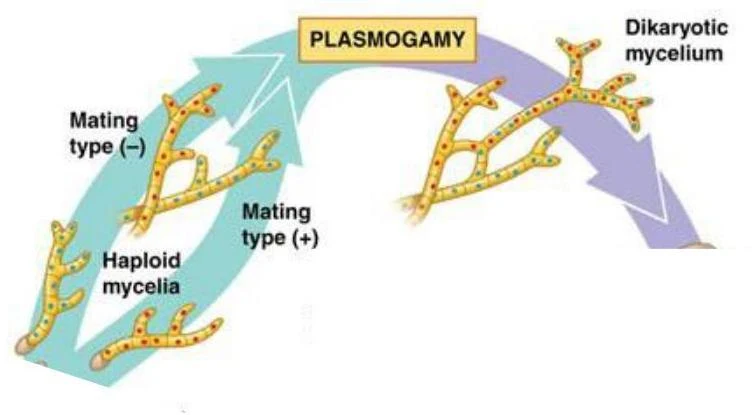
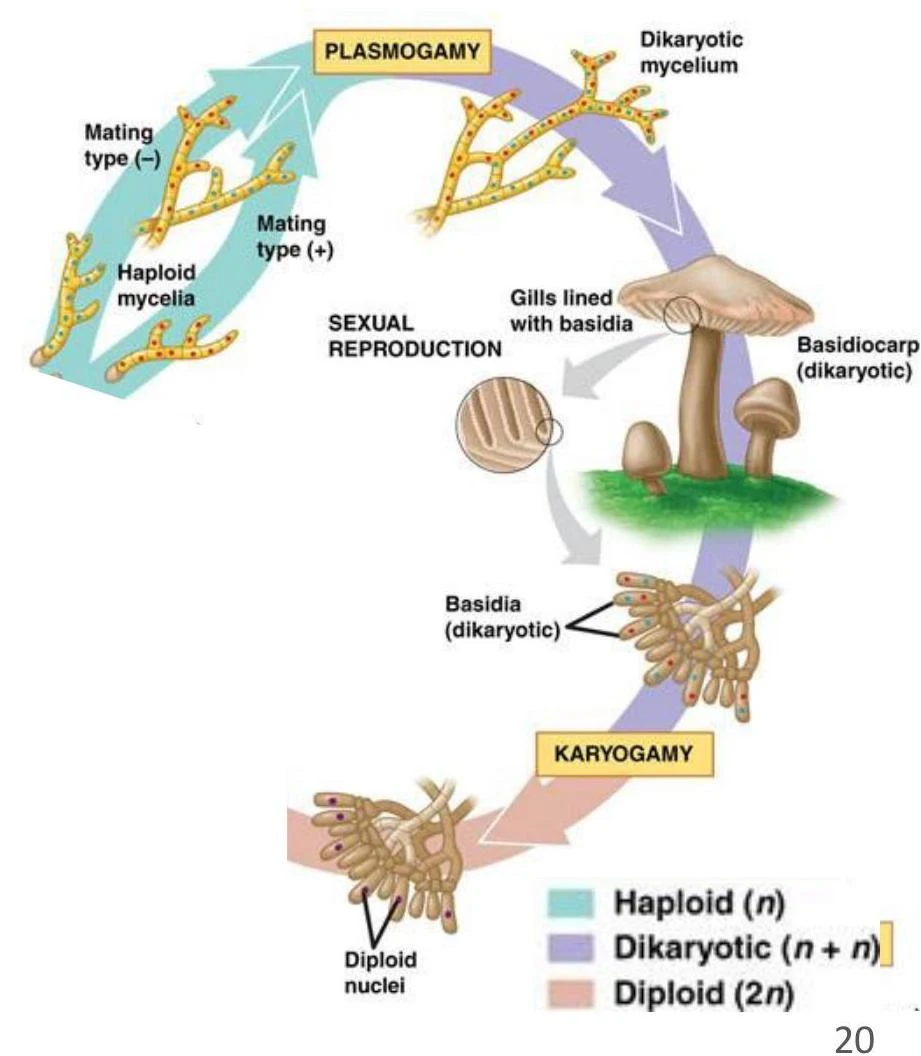
The fungal sexual cycle typically begins with haploid () mycelia. Unlike many organisms where sexual reproduction involves the immediate fusion of gametes to form a diploid zygote, fungi often undergo a prolonged period of development involving two different types of nuclei within the same cytoplasm.
Phase 1: Plasmogamy and the Dikaryotic Stage
The process initiates when two compatible individuals—often identified by different mating types—fuse their mycelia. This first step is called plasmogamy, which is the fusion of the cytoplasm of the two cells.
Crucially, in many fungi, the nuclei do not fuse immediately after the cytoplasm merges. Instead, the organism enters a dikaryotic mycelium stage. In this state, the mycelium contains two distinct types of haploid nuclei that coexist within the same shared cytoplasm. This dikaryotic stage is a unique fungal innovation and can persist for decades in some species.
Keep reading for free.
Create an account to finish this reading and make it part of your study routine.
Continue reading freeAlready have an account? Log in
Updated