


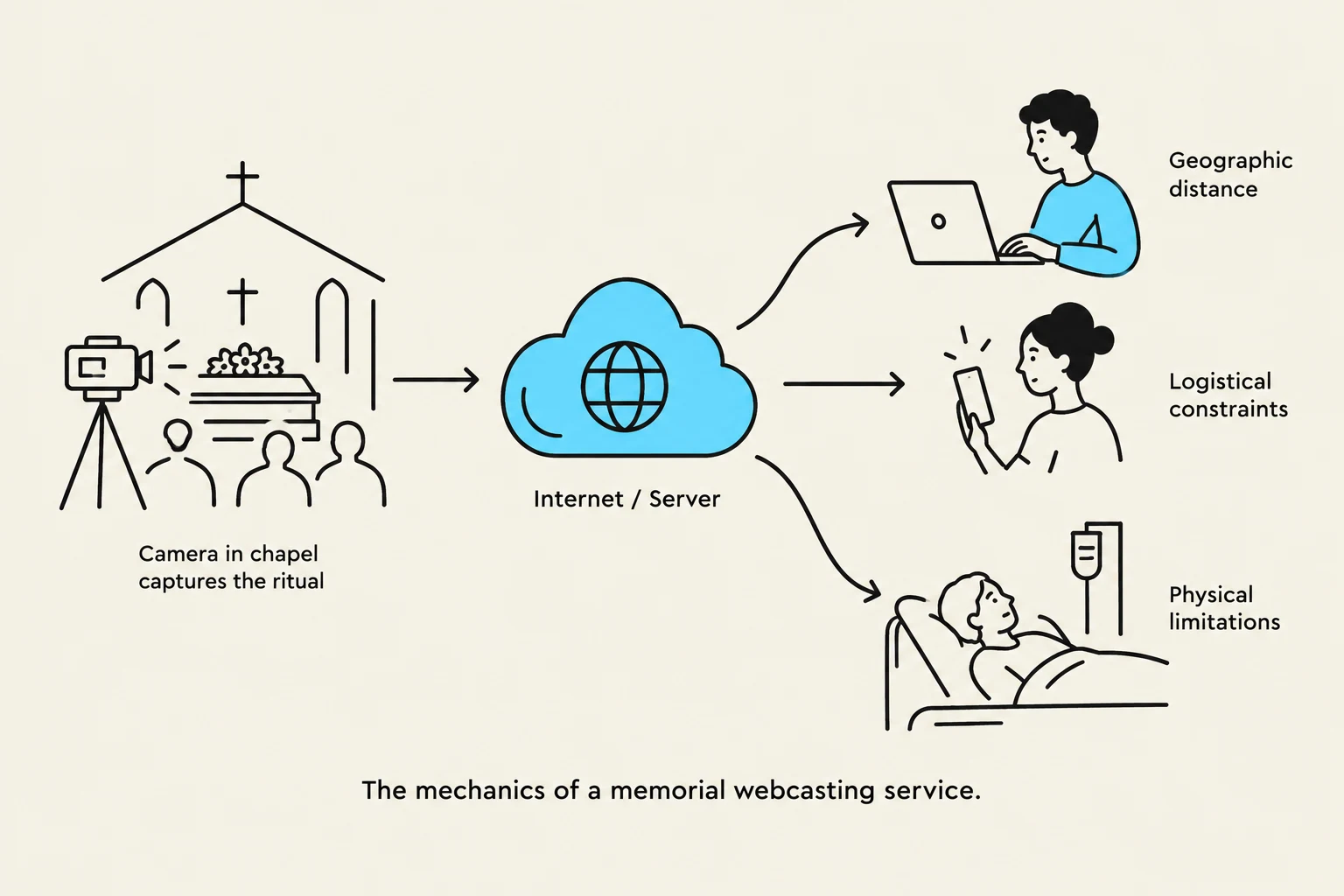
The landscape of deathcare is undergoing a profound transformation. While the core purpose of a funeral remains the same—to honor the deceased and support the living—the methods used to achieve this are evolving. Today, funeral directors must balance deeply personal, traditional rites with innovative digital services that bridge the gap between physical presence and global connectivity.

The Role of the Funeral Director
At the heart of the bereavement process are funeral directors. These professionals are often tasked with more than just logistics; they serve as guides for bereaved families during one of the most difficult periods of their lives. A hallmark of the profession is a willingness to "go the extra mile" to ensure that the specific wishes of a family are met, even when those wishes deviate from standard industry practices.
Case Study: Customizing the Committal
To understand the level of personalization required, consider the case of a Dutch couple who died unexpectedly while traveling in South America. Their relatives requested a highly specific ritual: the couple should be buried together in a single coffin and a single grave to reflect their lifelong intimacy.
Because no commercial company manufactured a double casket, the funeral establishment had to act quickly, sourcing a craftsman to build a custom casket through overtime work. By navigating legal requirements and logistical hurdles, the funeral director was able to provide a committal that confirmed the love between the parents for their children.
Keep reading for free.
Create an account to finish this reading and make it part of your study routine.
Continue reading freeAlready have an account? Log in
Updated