


Nutrition is the scientific study of how food nourishes the body. While we often think of food simply as something we eat to satisfy hunger, it is actually a complex delivery system for nutrients—the essential components required for the body to function, grow, repair itself, and maintain energy. Understanding the relationship between what we consume and how our bodies respond is a lifelong process, as the cumulative effects of our dietary choices significantly impact our long-term health prospects.
The Science and Scope of Nutrition
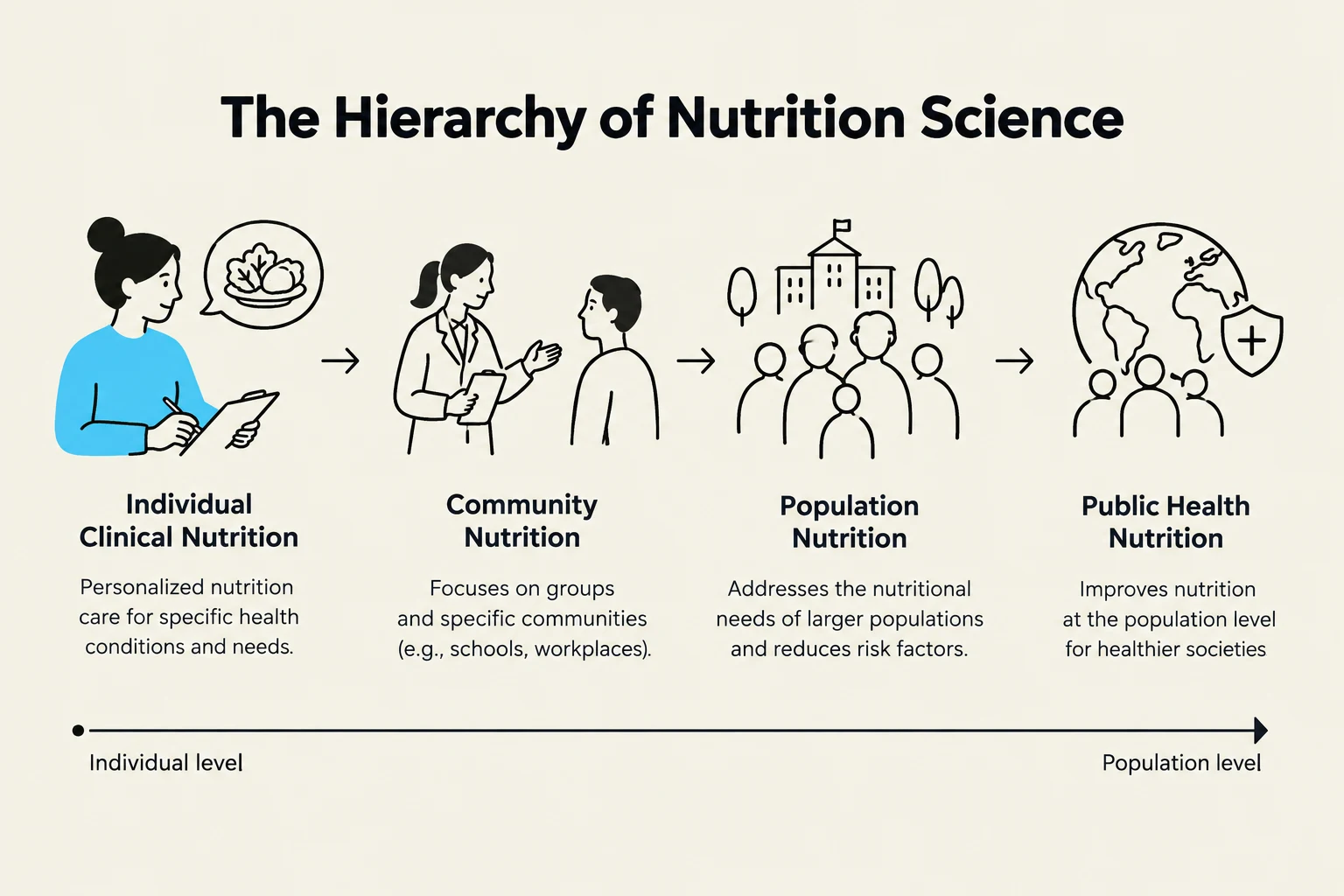
Nutrition is not a single, isolated field; rather, it is a relatively young and multifaceted science that operates across several levels of society. To understand how nutrition works, one must look at several interconnected disciplines:
- Food Science: The study of the physical, biological, and chemical makeup of food.
- Clinical Nutrition: The application of nutritional principles to treat and manage diseases in individuals.
- Community Nutrition: Focused on improving the nutritional status of specific groups or populations.
- Public Health and Food Policy: The broader application of nutrition science to create laws, regulations, and programs that protect the health of entire populations.
Beyond individual health, researchers use nutrition monitoring to assess the dietary intakes and health indicators of entire populations, such as through the Canadian Community Health Survey (CCHS).
Cultural Influences: Cuisines and Foodways
Why do we eat what we eat? Food choices are rarely driven by nutrients alone. Humans attach deep cultural and social meanings to what they consume.

Keep reading for free.
Create an account to finish this reading and make it part of your study routine.
Continue reading freeAlready have an account? Log in
Updated