


Nutrition is the fundamental process by which food supplies the energy necessary to accomplish everyday activities, build and repair tissues, and regulate organs and systems. Beyond its physiological necessity, food often holds significant symbolic meaning for various cultures and communities. For healthcare providers, understanding nutrition is essential for managing illnesses, aiding recovery, and addressing the complex needs of diverse populations, including the aging population and those facing socioeconomic challenges like poverty.
To maintain health and prevent disease, the body requires six essential classes of nutrients: carbohydrates, lipids, proteins, vitamins, minerals, and water.
Carbohydrates: The Body's Primary Fuel
Carbohydrates serve as the main source of energy for the body's cells. They are categorized based on their chemical structure into two main types: simple and complex carbohydrates.
Simple Carbohydrates
Simple carbohydrates, often referred to as sugars, are broken down quickly by the body, providing rapid bursts of energy.
Complex Carbohydrates
Complex carbohydrates include starches, glycogen, and fiber. These take longer for the body to digest, providing a more sustained release of energy.
The Glycemic Index (GI)
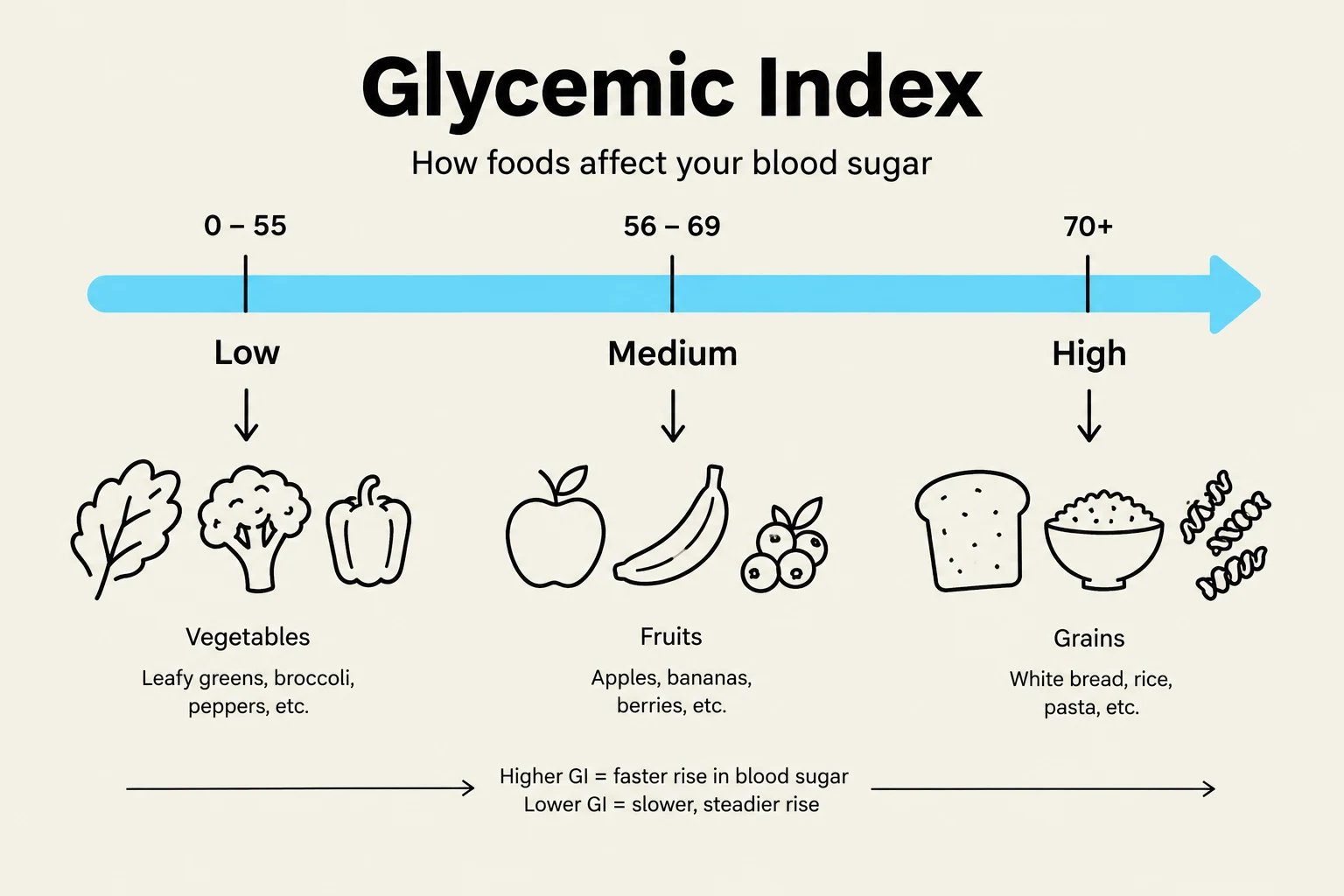
A critical concept in managing carbohydrate intake is the Glycemic Index (GI). This scale measures how quickly different foods raise blood glucose levels.
- Low GI (<55): Foods like lentils, chickpeas, and most vegetables (e.g., asparagus, spinach).
- Medium GI (56-69): Foods such as wild rice, sweet potatoes, and pineapple.
- High GI (70+): Foods like white bread, baked potatoes, and watermelon.
Clinical Note: For patients with diabetes, balancing carbohydrate intake is a key component of a "Diabetes-Friendly Diet" to maintain stable blood sugar levels.

Keep reading for free.
Create an account to finish this reading and make it part of your study routine.
Continue reading freeAlready have an account? Log in
Updated