


Microbiology is the scientific study of microorganisms and their vast biological diversity. This field encompasses a wide array of microscopic organisms, including bacteria, fungi, and parasites, which may live as isolated cells or in organized groups known as colonies. It also includes the study of viruses, which are unique microscopic agents that lack a cellular structure and are considered obligate intracellular parasites.
Taxonomy: The Science of Organization
- Identification: The process of isolating an organism and determining its unique characteristics through various tests.
- Classification: Categorizing organisms based on their morphological, physiological, biochemical, and genetic properties to reflect their evolutionary kinship.
- Nomenclature: Assigning standardized names to organisms to ensure clear scientific communication.
The Taxonomic Hierarchy and Modern Criteria
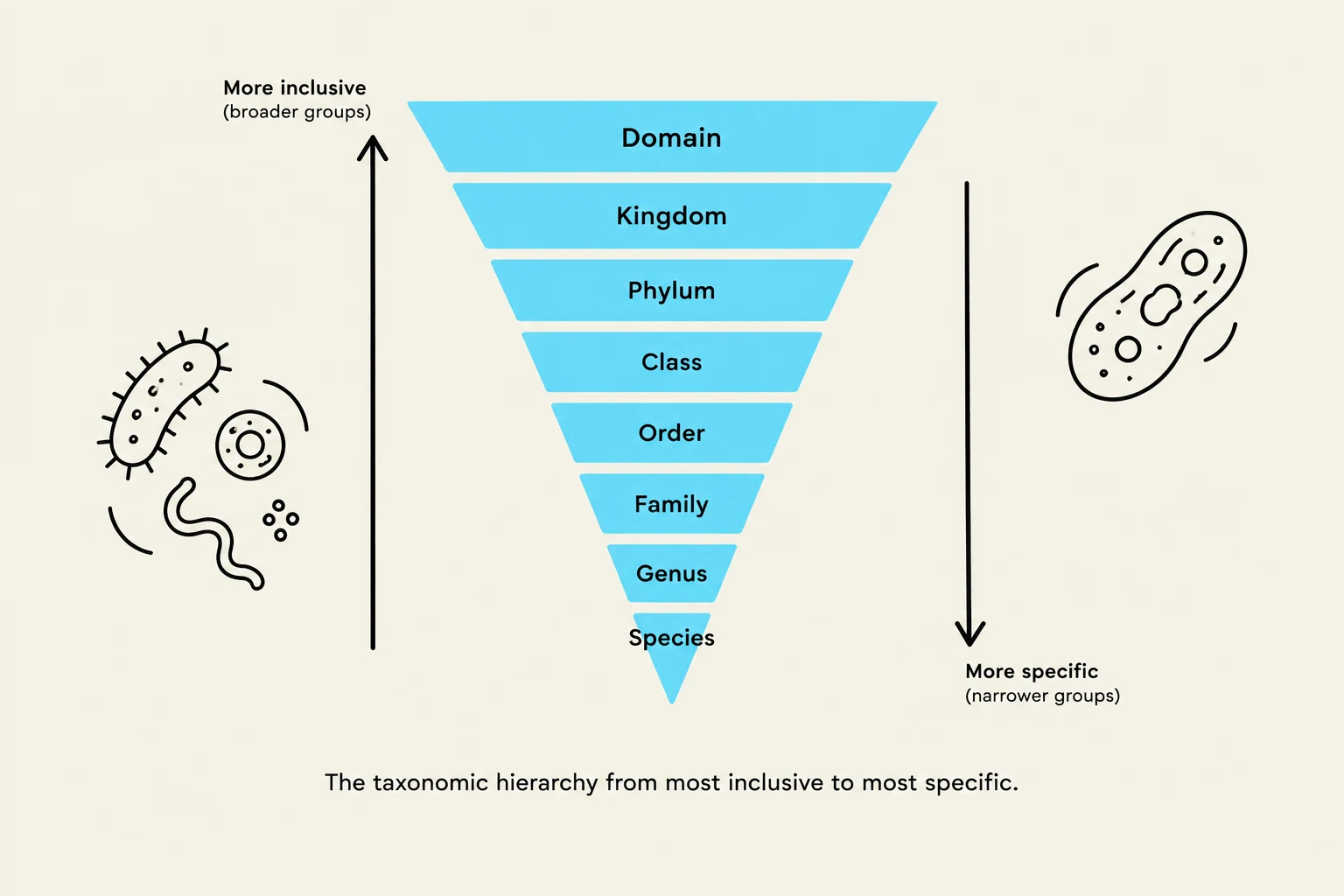
The taxonomic hierarchy follows a descending order from the most inclusive to the most specific: Domain, Kingdom, Phylum/Division, Class, Order, Family, Genus, and Species.
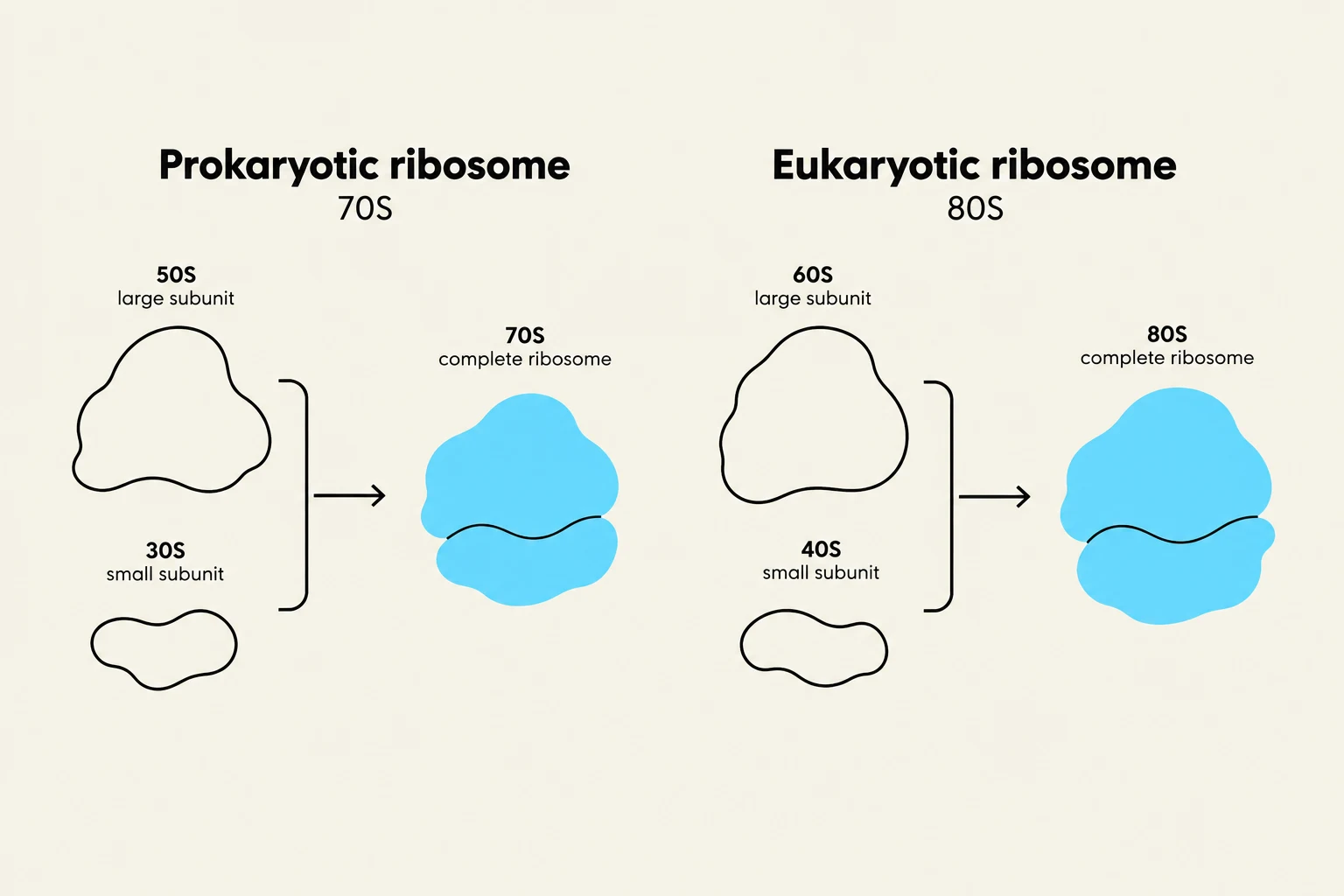
Historically, classification relied heavily on morphological and biochemical traits. However, modern taxonomy is primarily driven by genetic information. Specifically, the sequence of the 16S rRNA gene is used to define the three domains of life. This gene is highly conserved across all life forms and is a component of the small (30S) subunit of the prokaryotic ribosome, making it an ideal molecular marker for evolutionary studies.
Keep reading for free.
Create an account to finish this reading and make it part of your study routine.
Continue reading freeAlready have an account? Log in
Updated