


Whether you are troubleshooting a residential circuit or designing a complex electronic device, everything begins with understanding the fundamental relationship between four key variables: Voltage, Current, Resistance, and Power. These are not independent entities; they are deeply interconnected through mathematical laws that govern how energy moves through a conductor. Mastering these concepts is the first step toward any practical application in electrical engineering or home maintenance.
Voltage (V): The Electrical Pressure
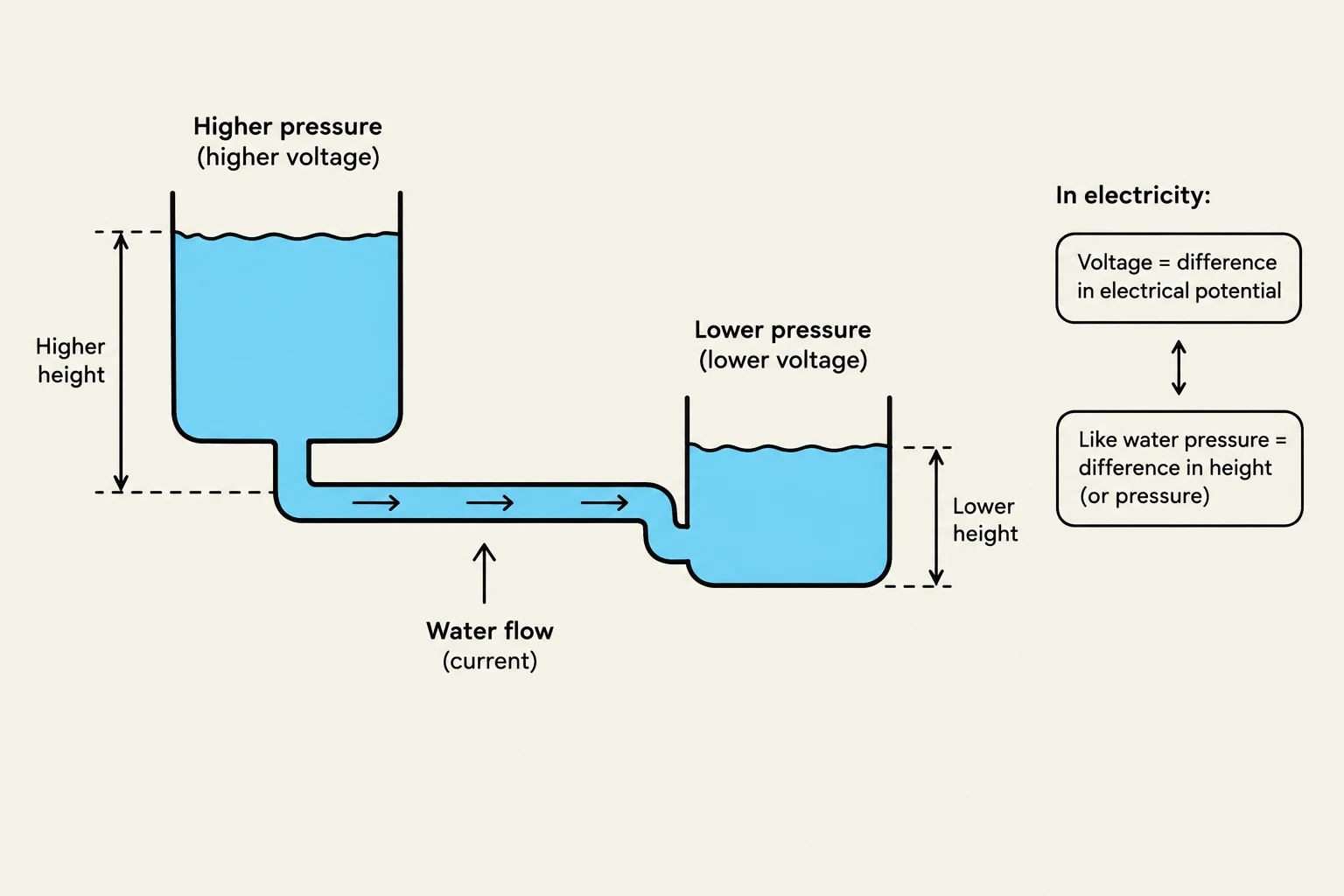
Voltage, often measured in Volts (V), is the electrical potential difference between two points. You can think of voltage as the "pressure" that pushes electrical charges through a circuit. In a residential setting, the electrical service provides a specific amount of pressure to ensure that appliances can function correctly.
Without a difference in potential (one point being higher than another), electricity will not flow. This is why a battery has a positive and a negative terminal; the difference between these two points is what creates the voltage necessary to drive a current.
Current (I): The Flow of Charge
Current, measured in Amperes (A) or "Amps," represents the rate at which electrical charge flows through a specific point in a circuit. If voltage is the pressure, current is the actual volume of water flowing through the pipe.
Current can be divided into two main types: Direct Current (DC), where the flow is constant in one direction (like a battery), and Alternating Current (AC), where the direction of flow reverses periodically (like the electricity in your home walls).
Keep reading for free.
Create an account to finish this reading and make it part of your study routine.
Continue reading freeAlready have an account? Log in
Updated