


At the most fundamental level, human health is a delicate balancing act. To survive, the body must maintain a stable internal environment despite constant changes in the external world. This state of equilibrium is known as homeostasis. When cells are challenged by stressors—ranging from physical injury to chemical toxins—they must either adapt to the new reality or face damage and death. Understanding how cells regulate themselves and how they respond to stress is the cornerstone of pathophysiology.
Cellular Regulation and Homeostasis
Cellular regulation encompasses all the functions required to sustain homeostasis and respond to external signals. Cells are not passive entities; they constantly monitor their environment and respond to signals such as hormones and cytokines to maintain proper function.
When homeostasis is disrupted by factors like aging, genetics, lifestyle choices, or environmental changes, the body enters a state of stress. The body's response to these stressors often follows the General Adaptation Syndrome (GAS), which consists of three stages:
- Alarm Stage: The "fight or flight" response, where the sympathetic nervous system is activated.
- Resistance Stage: The body attempts to return to normal while maintaining elevated hormone levels to adapt to the stressor.
- Exhaustion Stage: Occurs after prolonged stress when all adaptive energy is depleted, potentially leading to long-term damage.
Cellular Adaptation: Mechanisms of Survival
When cells encounter increased demands or environmental changes, they undergo cellular adaptation to maintain balance and prevent injury. These adaptations change the size, number, or type of cells within a tissue.
| Adaptation Type | Definition | Common Causes |
|---|---|---|
| Atrophy | Decrease in cell size, resulting in reduced tissue mass. | Disuse, insufficient nutrition, aging, or decreased hormones. |
| Hypertrophy | Increase in cell size, resulting in enlarged tissue mass. | Increased functional demands or additional work by the tissue. |
| Hyperplasia | Increase in the number of cells, resulting in enlarged tissue mass. | Compensation for increased demands or hormone imbalances. |
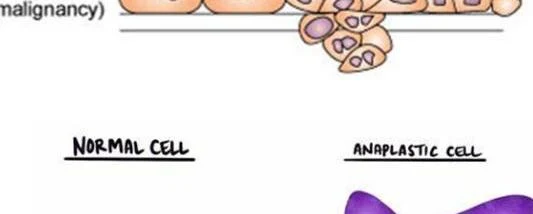
| Metaplasia | Replacement of one mature cell type with a different mature cell type. | An adaptive mechanism to create a stronger barrier (e.g., in the respiratory tract of smokers). |
Keep reading for free.
Create an account to finish this reading and make it part of your study routine.
Continue reading freeAlready have an account? Log in
Updated