


Blood is a specialized fluid connective tissue that flows throughout the entire body, serving as the primary medium for life-sustaining processes. While peripheral blood is the portion we typically measure, the total blood volume also includes blood sequestered in the spleen, liver, bone marrow, and lymphatic system. Understanding hematology requires a deep dive into how blood is composed, how it is produced, and how its various components function to maintain homeostasis.
Blood Composition and Functions
Blood serves three primary roles: transportation, regulation, and defense.
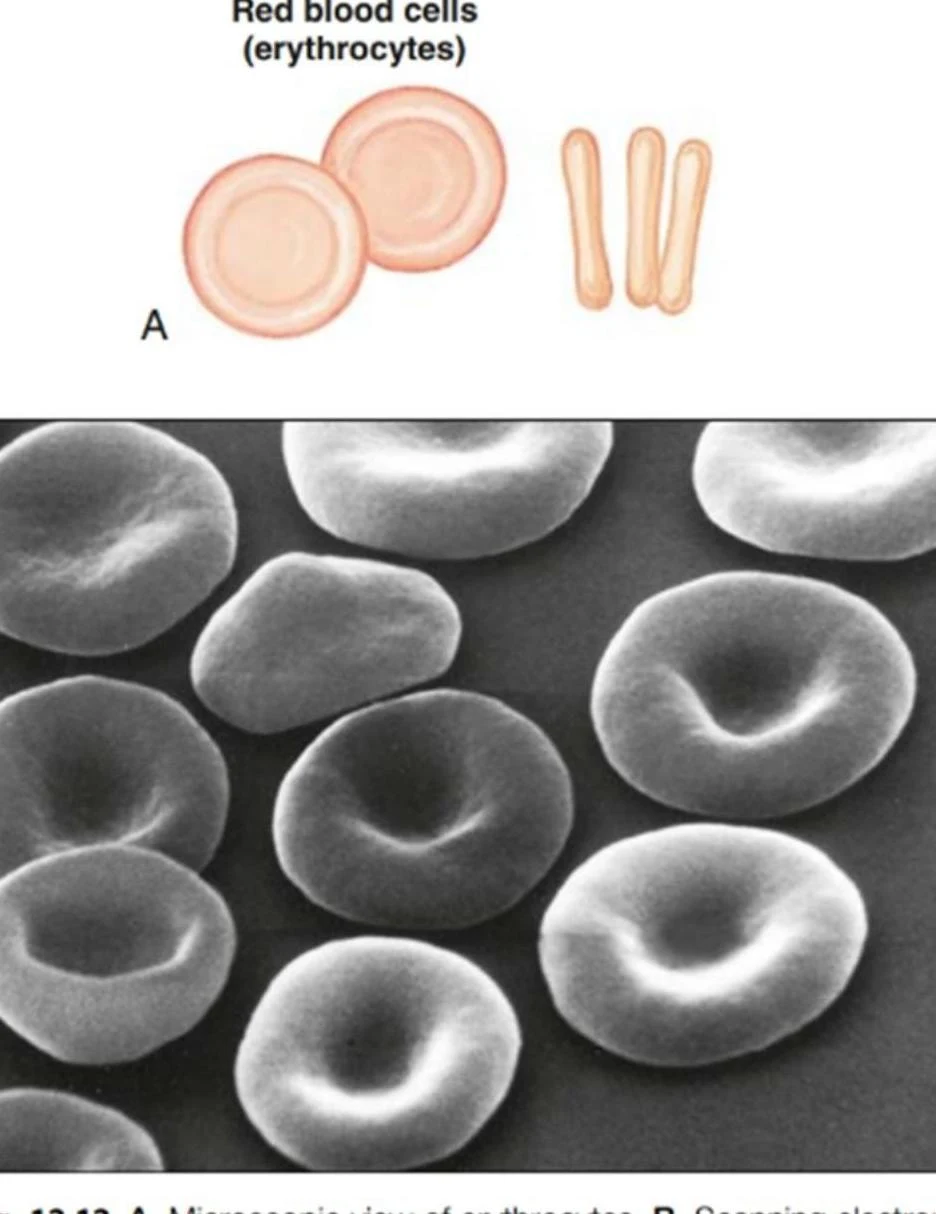
- Transportation: Red blood cells (RBCs) carry oxygen via hemoglobin, while plasma transports nutrients, hormones, and metabolic wastes (like ) to the lungs and kidneys.
- Regulation: Blood helps maintain body temperature by distributing heat and regulates blood pH (acid-base balance). It also manages fluid balance between the bloodstream and tissues.
- Hemoconcentration: Occurs when fluid is lost from the plasma into the tissues, resulting in a higher concentration of cells.
- Hemodilution: Occurs when excess body fluid enters the bloodstream, diluting the cell concentration.
- Defense: White blood cells (WBCs) fight pathogens, and platelets facilitate hemostasis to prevent excessive blood loss.
Plasma vs. Serum
Blood is divided into a liquid component and cellular components. The liquid portion is called plasma if it contains clotting proteins like fibrinogen. However, if blood is allowed to clot, the fibrinogen is converted into fibrin to create a mesh that traps cells. The resulting liquid, which lacks clotting proteins, is called serum.
Exam Tip: Remember the relationship: Plasma = Serum + Clotting Factors. Once the clot forms, the fibrinogen is "used up," leaving you with serum.
Keep reading for free.
Create an account to finish this reading and make it part of your study routine.
Continue reading freeAlready have an account? Log in
Updated