


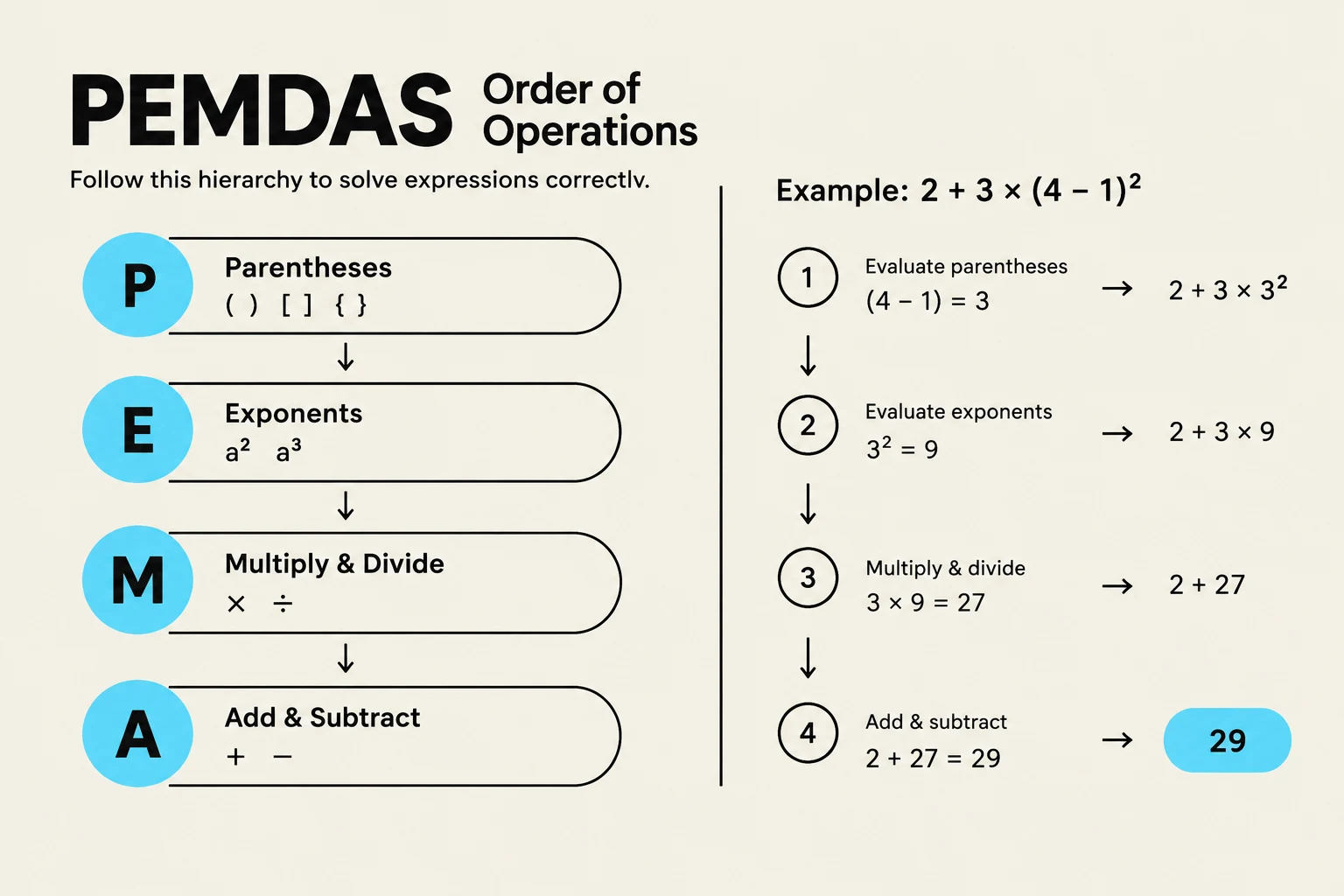
Preparing for Exam 1 requires a solid grasp of both fundamental number systems and the procedural logic used to manipulate them. This exam is designed to test your ability to move from basic identification—such as recognizing whole numbers—to complex applications, including solving nursing math equations using specific operational hierarchies.
Number Classification and Representation
Before performing complex calculations, you must be able to categorize numbers correctly. The exam covers several distinct types of numerical representations.
Whole Numbers and Integers
The most basic level of classification involves Whole Numbers, which are the non-negative integers used for counting (e.g., $0, 1, 2, 3...$). However, mathematical contexts often require a broader scope. Integers expand this definition to include both positive and negative numerical values. This distinction is vital when dealing with values that fall below a zero baseline.
Place Value and Precision
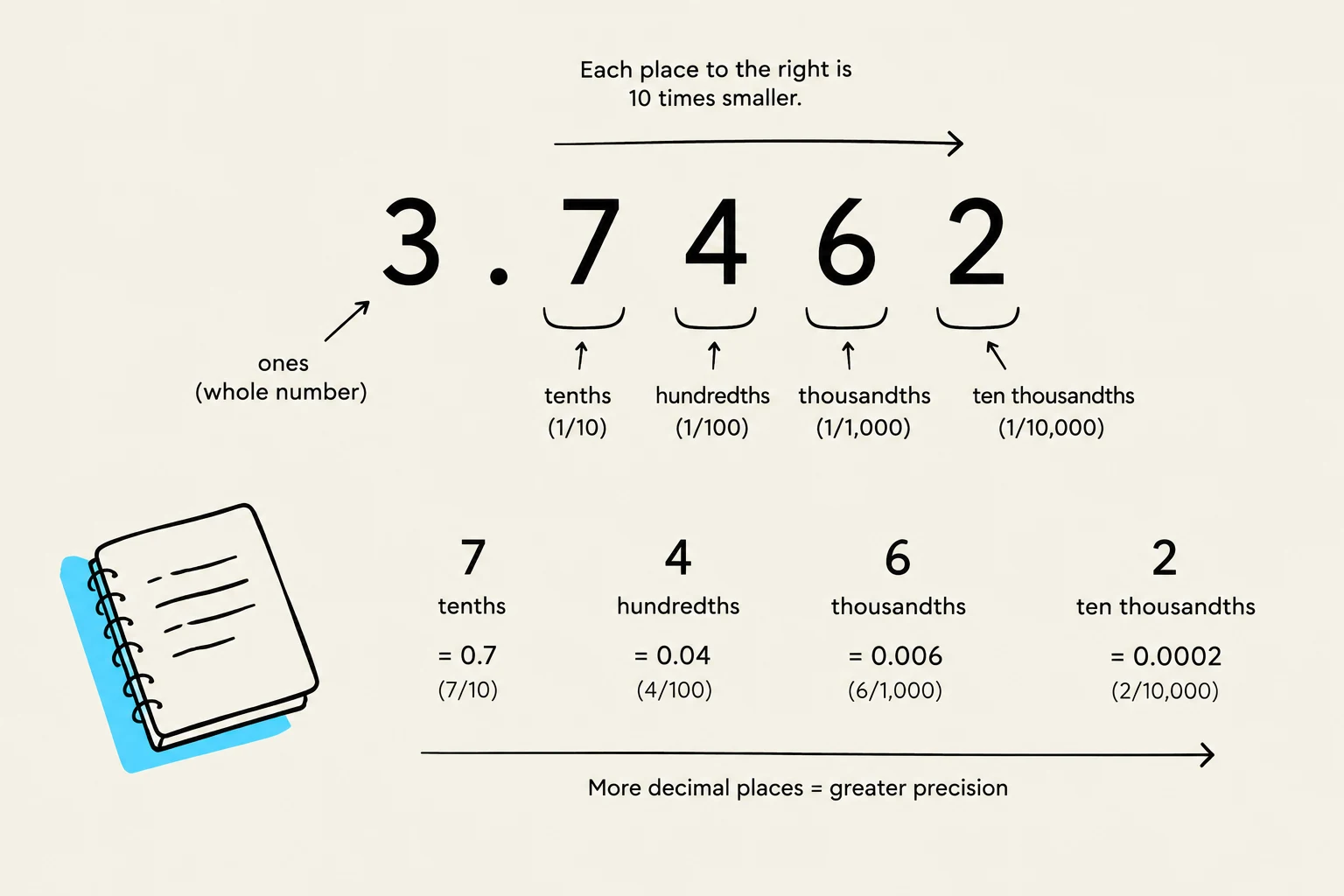
Precision is a cornerstone of mathematical accuracy, particularly in clinical settings. You will be tested on your understanding of Place Values, specifically focusing on decimal precision. The exam expects proficiency in identifying and working with values ranging from the hundredths place () down to the ten thousandths place ().

Keep reading for free.
Create an account to finish this reading and make it part of your study routine.
Continue reading freeAlready have an account? Log in
Updated