


In the study of cell biology (also known as cytology), the cell is recognized as the basic, living, structural, and functional unit of the human body. While a single human body contains more than 100 trillion cells, every individual cell relies on a sophisticated set of structures to maintain life. To simplify the study of these complex units, scientists typically divide the cell into three main parts: the plasma membrane, the cytoplasm, and the nucleus.
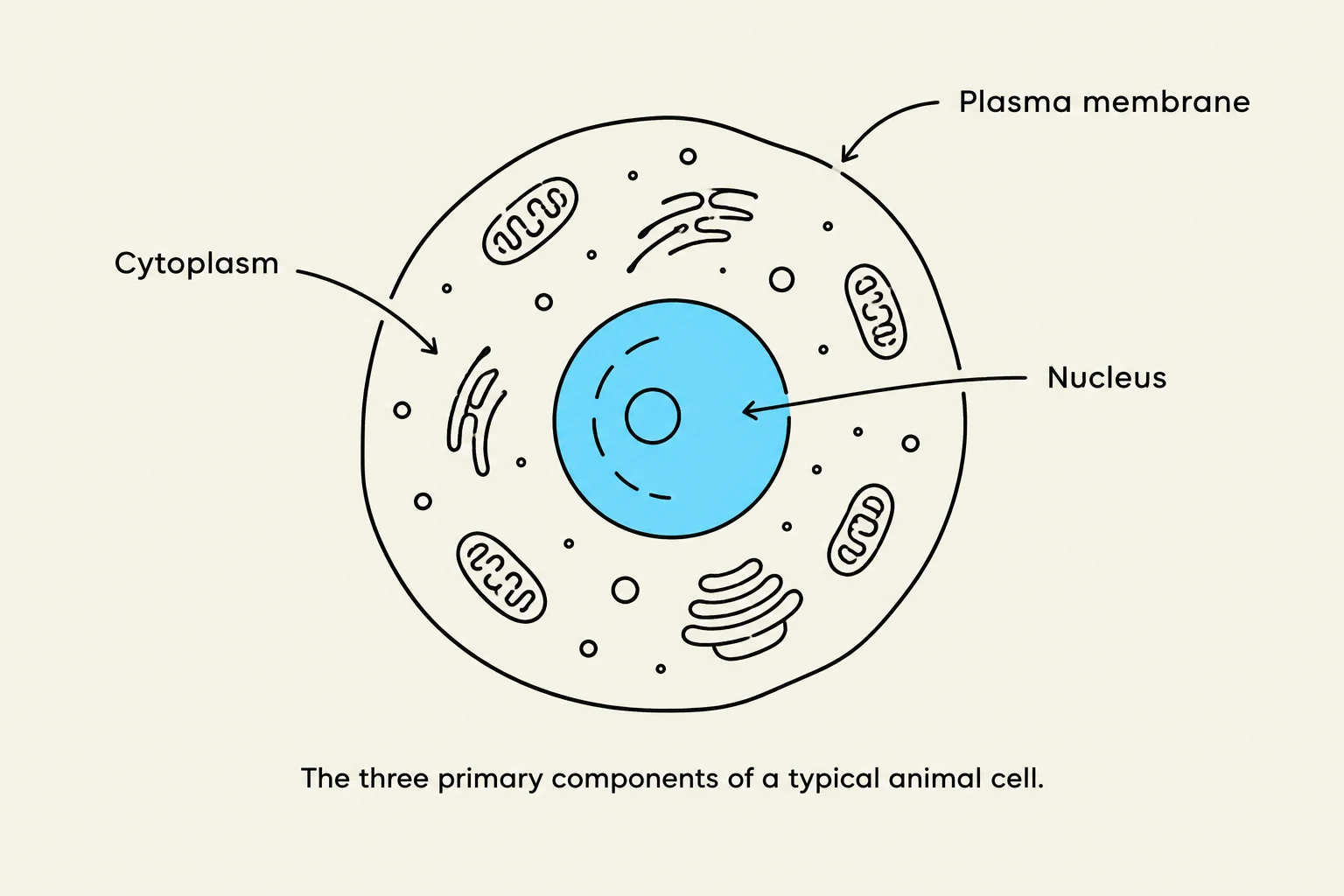
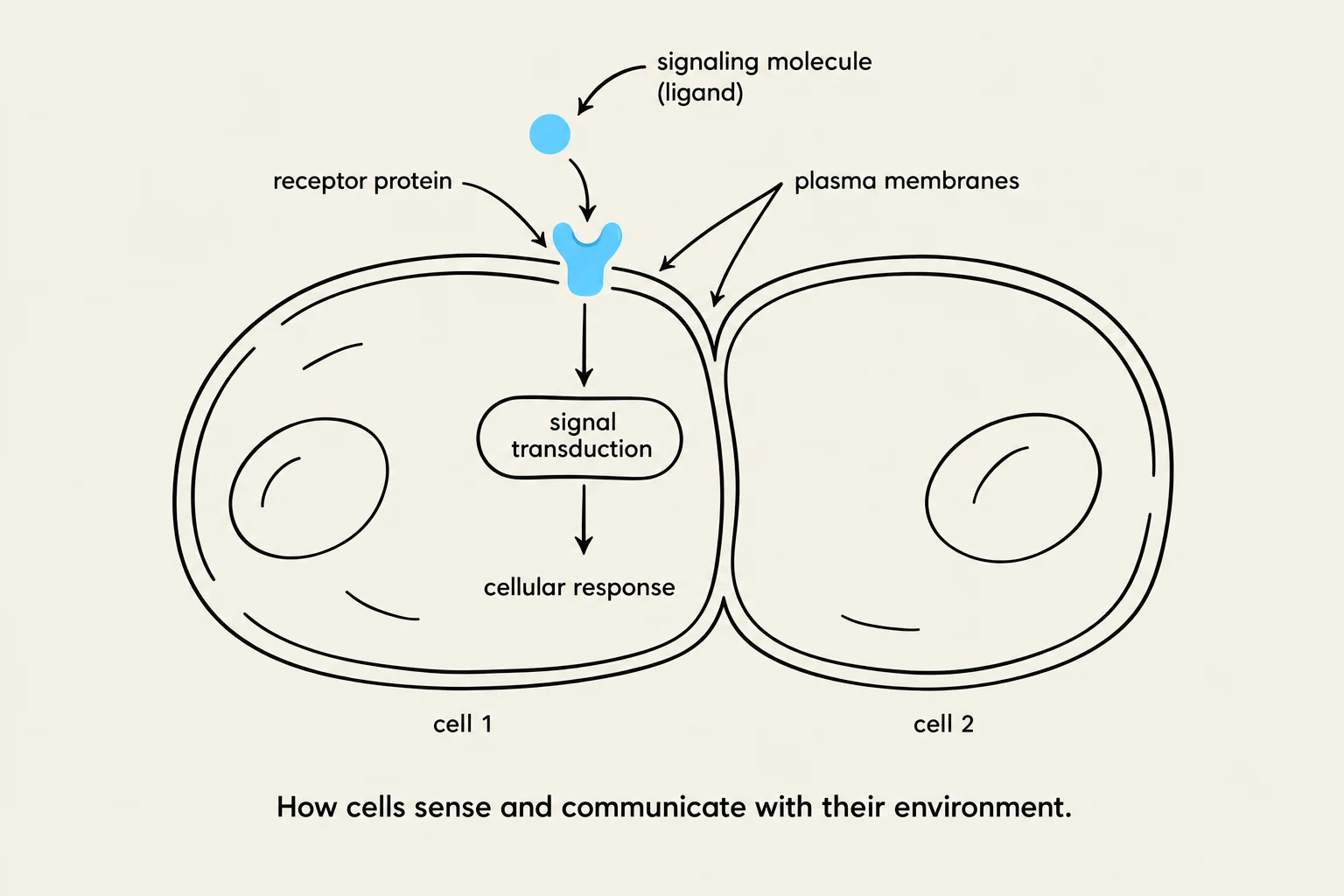
Among these, the plasma membrane is perhaps the most dynamic, acting as the gatekeeper that determines how the cell interacts with the world around it.
The Boundary: Defining the Internal and External Environments
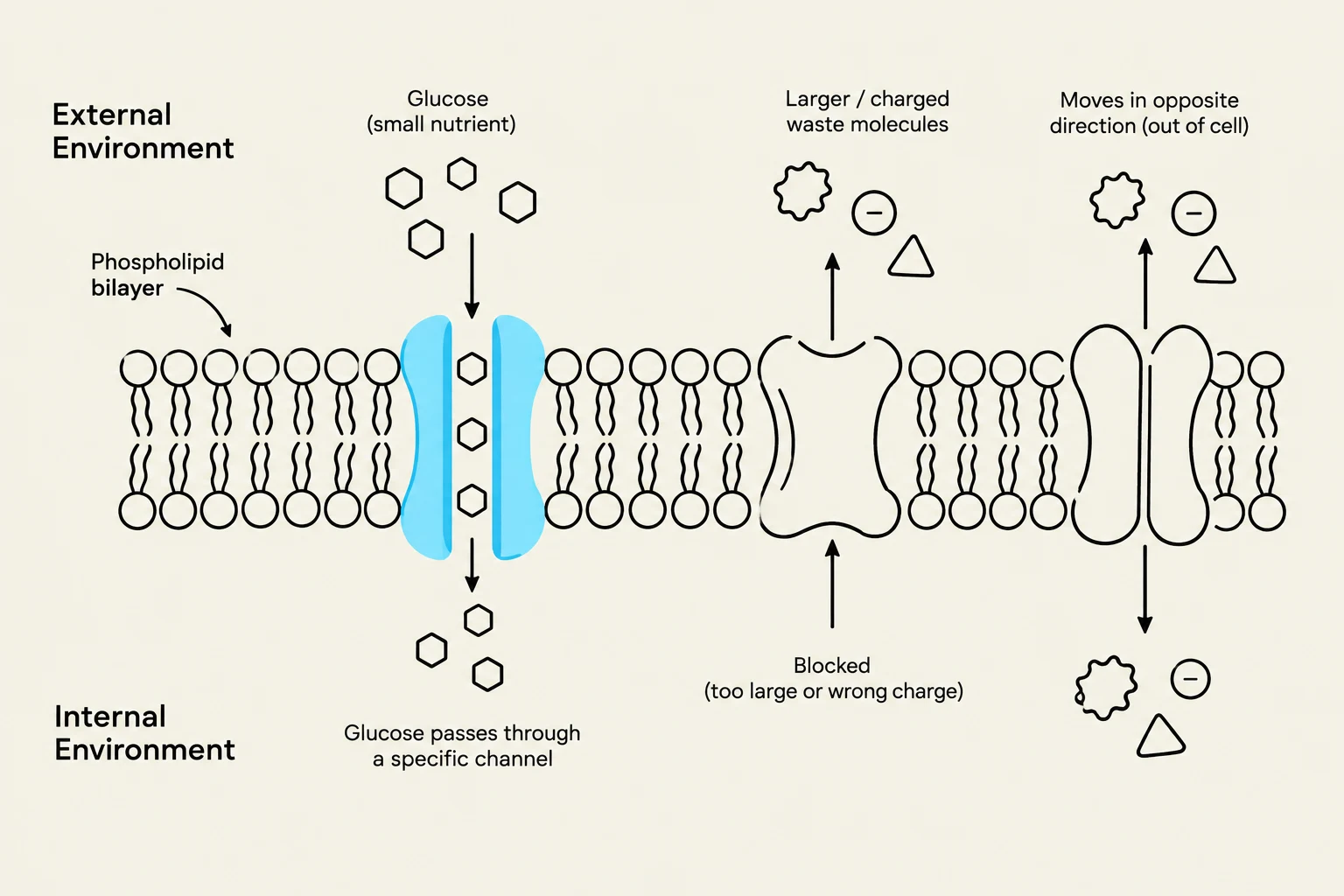
The plasma membrane, frequently referred to by the scientific term plasmalemma, serves as the cell's flexible outer surface. Its most fundamental role is to act as a physical boundary that establishes a clear distinction between two different spaces:
- The Internal Environment: This encompasses everything inside the cell, including the cytosol and the various organelles.
- The External Environment: This refers to everything outside the cell, the surrounding extracellular space.
By maintaining this physical division, the plasma membrane ensures that the cell's internal chemistry remains distinct from the external surroundings. This compartmentalization is vital because the chemical conditions required for a cell to function (such as specific ion concentrations) are often very different from the conditions found in the body at large.
Study Tip: Think of the plasma membrane like the walls of a house. The walls separate the controlled environment inside (the internal environment) from the unpredictable weather and street activity outside (the external environment).
Keep reading for free.
Create an account to finish this reading and make it part of your study routine.
Continue reading freeAlready have an account? Log in
Updated