


When we discuss nutrition, we often focus on macronutrients like carbohydrates, proteins, and fats. However, the body also relies heavily on minerals—inorganic substances that are essential for vital life functions. Unlike vitamins, which are organic, minerals are inorganic elements that must be obtained through our diet.
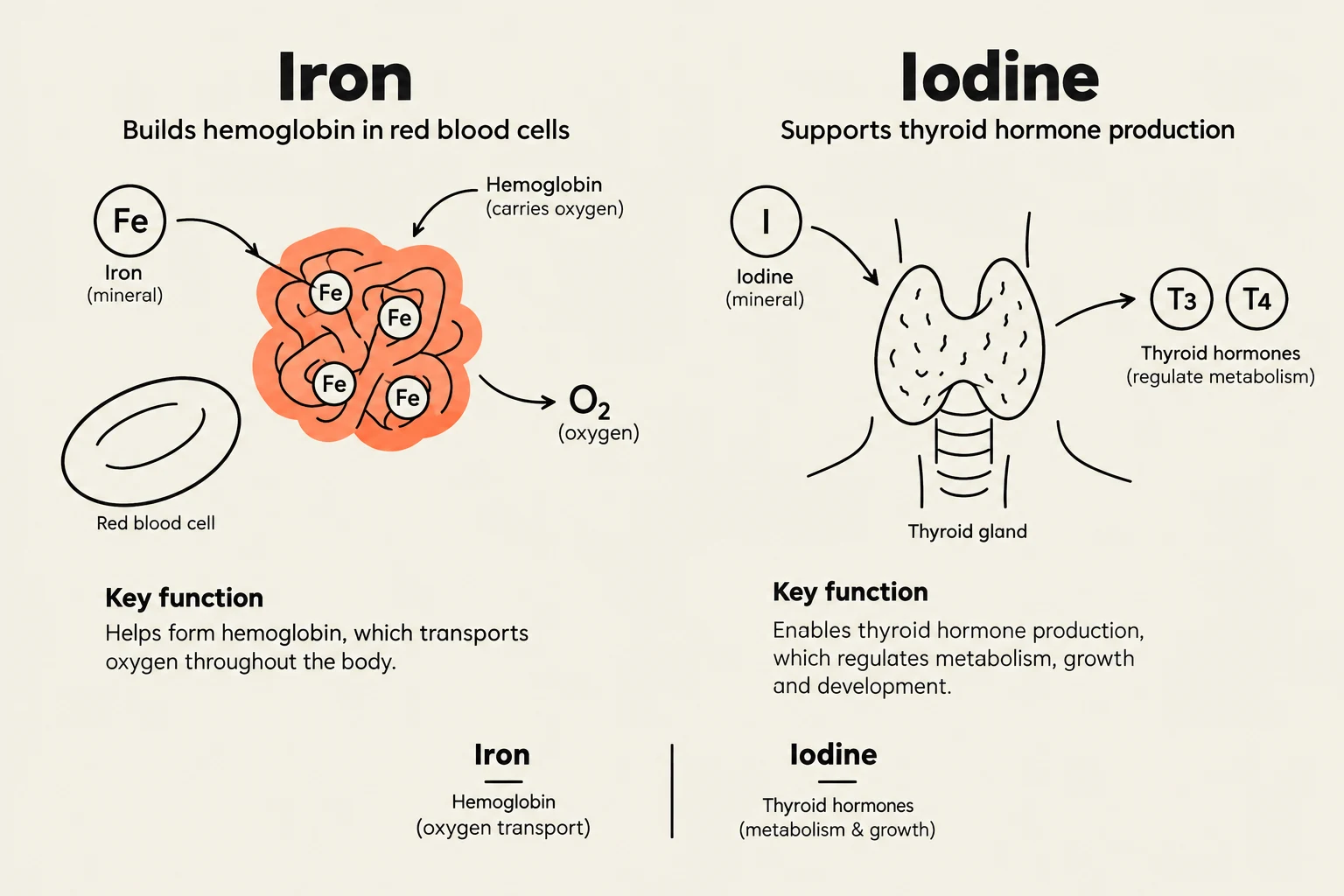
These substances are not just "add-ons" to our meals; they are the chemical tools required for nerve conduction, brain function, heart contraction, and the formation of red blood cells. To understand how they impact our health, we must categorize them into two groups based on the amount the body requires: major minerals and trace minerals.
Major Minerals
Major minerals are required by the body in relatively large amounts to maintain structural integrity and physiological balance.
Calcium and Phosphorus
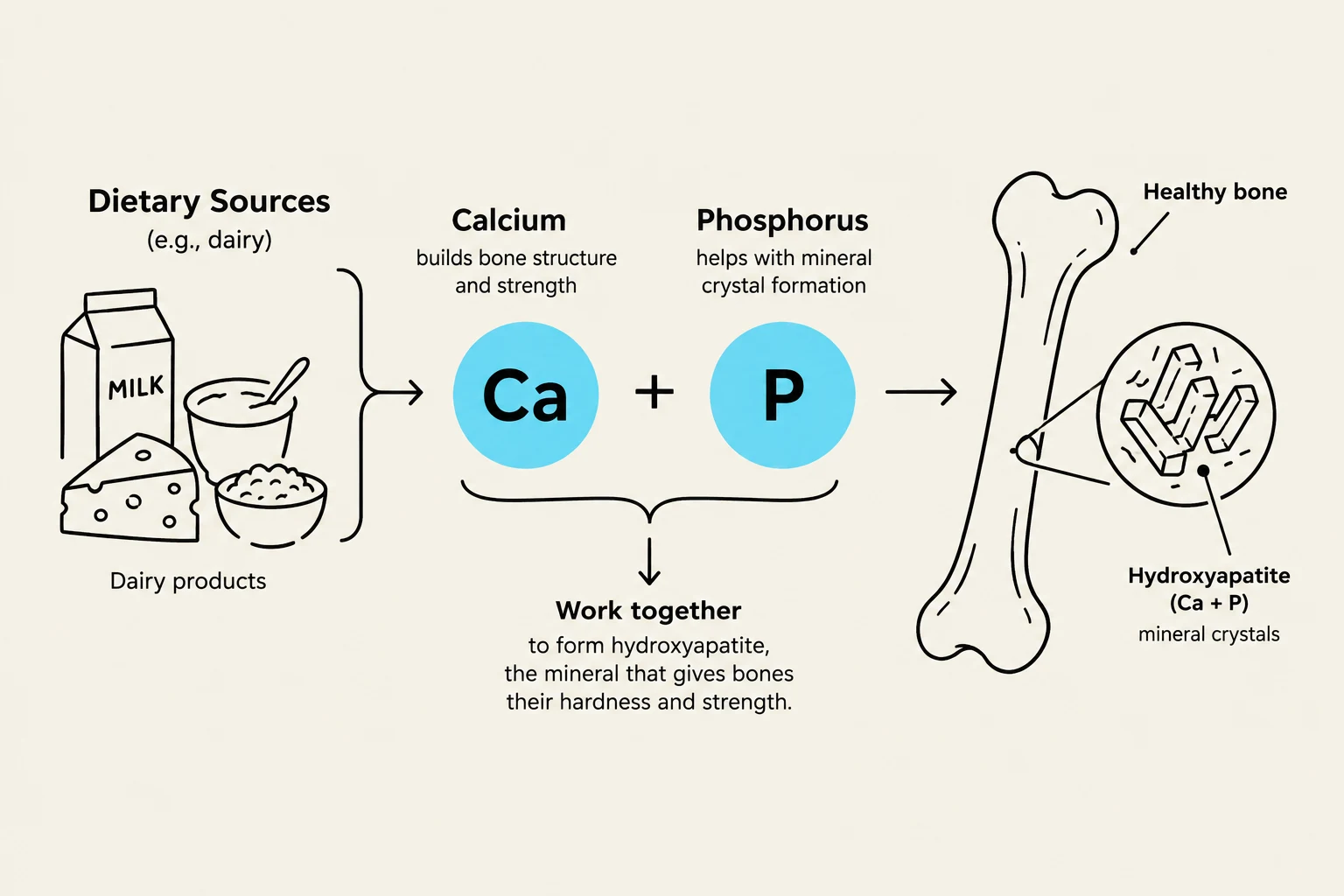
Calcium is perhaps the most well-known mineral, primarily responsible for the formation of bones and teeth. Beyond skeletal health, it plays a critical role in blood clotting, muscle contraction and relaxation, and nerve function. To maintain adequate levels, one should consume dairy products, leafy greens, legumes, and sardines. A deficiency in calcium can manifest as numbness, tingling, muscle spasms, or even heart arrhythmias.
Phosphorus works closely with calcium to maintain structural integrity. It is found in meat, fish, poultry, eggs, milk, and grains. If phosphorus levels are insufficient, it can lead to bone degeneration.
Magnesium and Electrolytes (Sodium and Potassium)
Magnesium is vital for a wide array of bodily processes. It is sourced from meat, seafood, nuts, legumes, and grains. Without enough magnesium, an individual may experience nerve disorders or heart arrhythmias.

Keep reading for free.
Create an account to finish this reading and make it part of your study routine.
Continue reading freeAlready have an account? Log in
Updated