


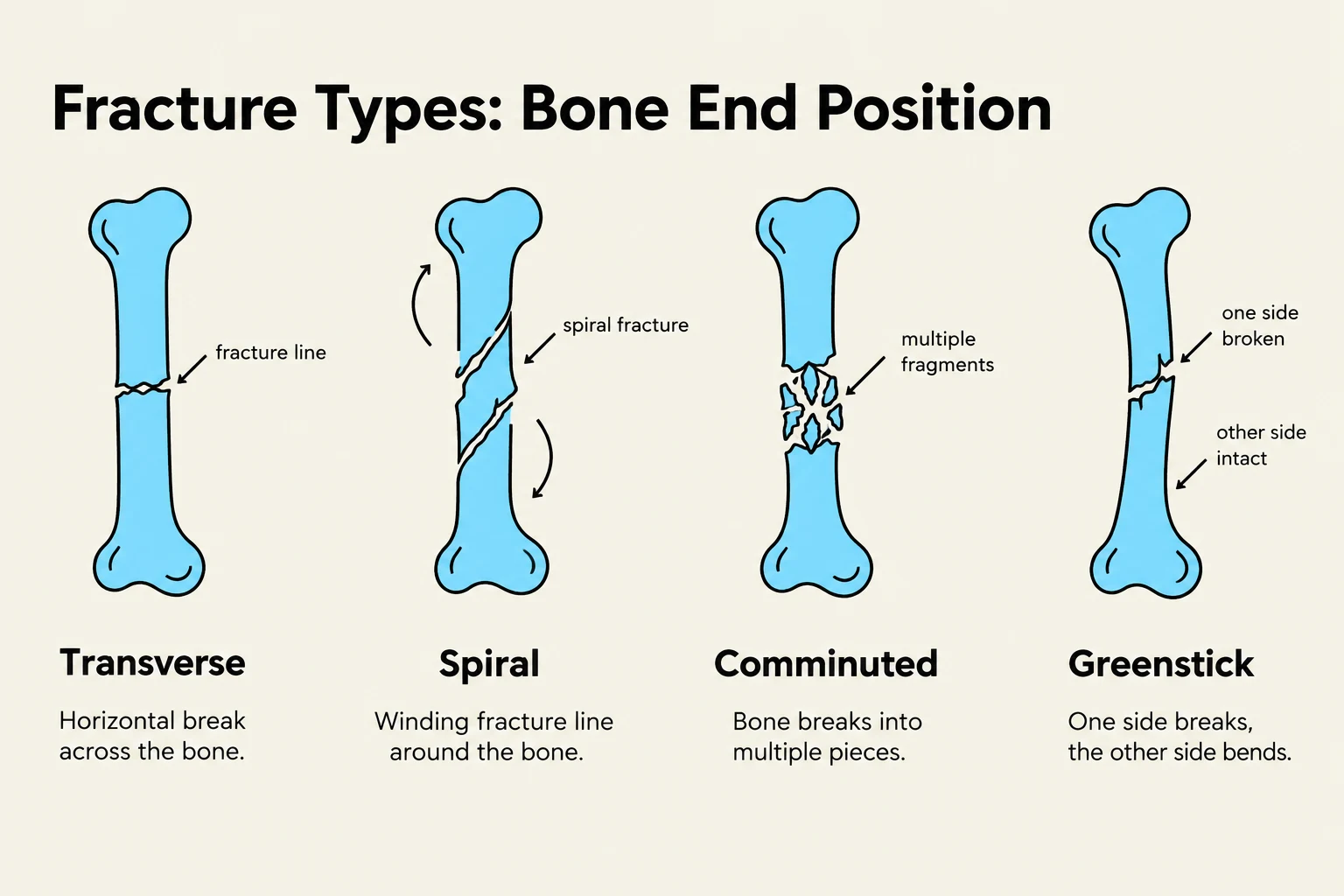
When a bone breaks, it is medically referred to as a fracture. While many people focus on whether a bone is broken in half or shattered into pieces, medical professionals use specific classification systems to describe the injury accurately. One of the most critical ways to classify a fracture is by looking at the position of the bone ends after the break has occurred.
Understanding whether the bone ends remain in their natural place or have shifted out of alignment is vital for determining the type of treatment required, such as whether a patient needs a simple cast or invasive surgery to realign the bone.
Understanding Bone Alignment
In a healthy skeletal system, bones provide structure, support, and leverage for movement. When a fracture occurs, the structural integrity of the bone is compromised. To describe the resulting injury, clinicians look at the relationship between the two fragments created by the break.
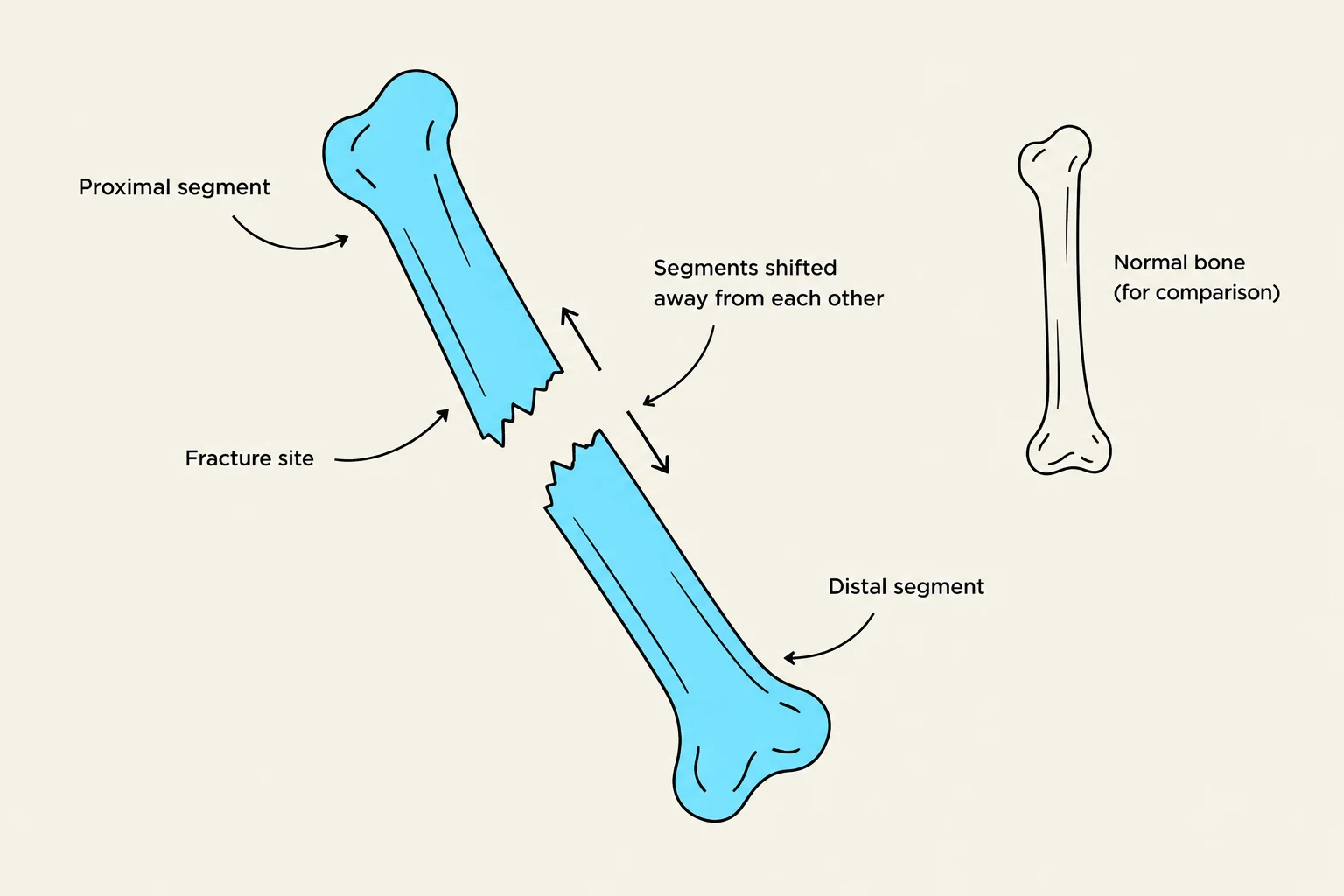
The classification regarding bone position is divided into two primary categories: non-displaced and displaced fractures.
Non-displaced Fractures
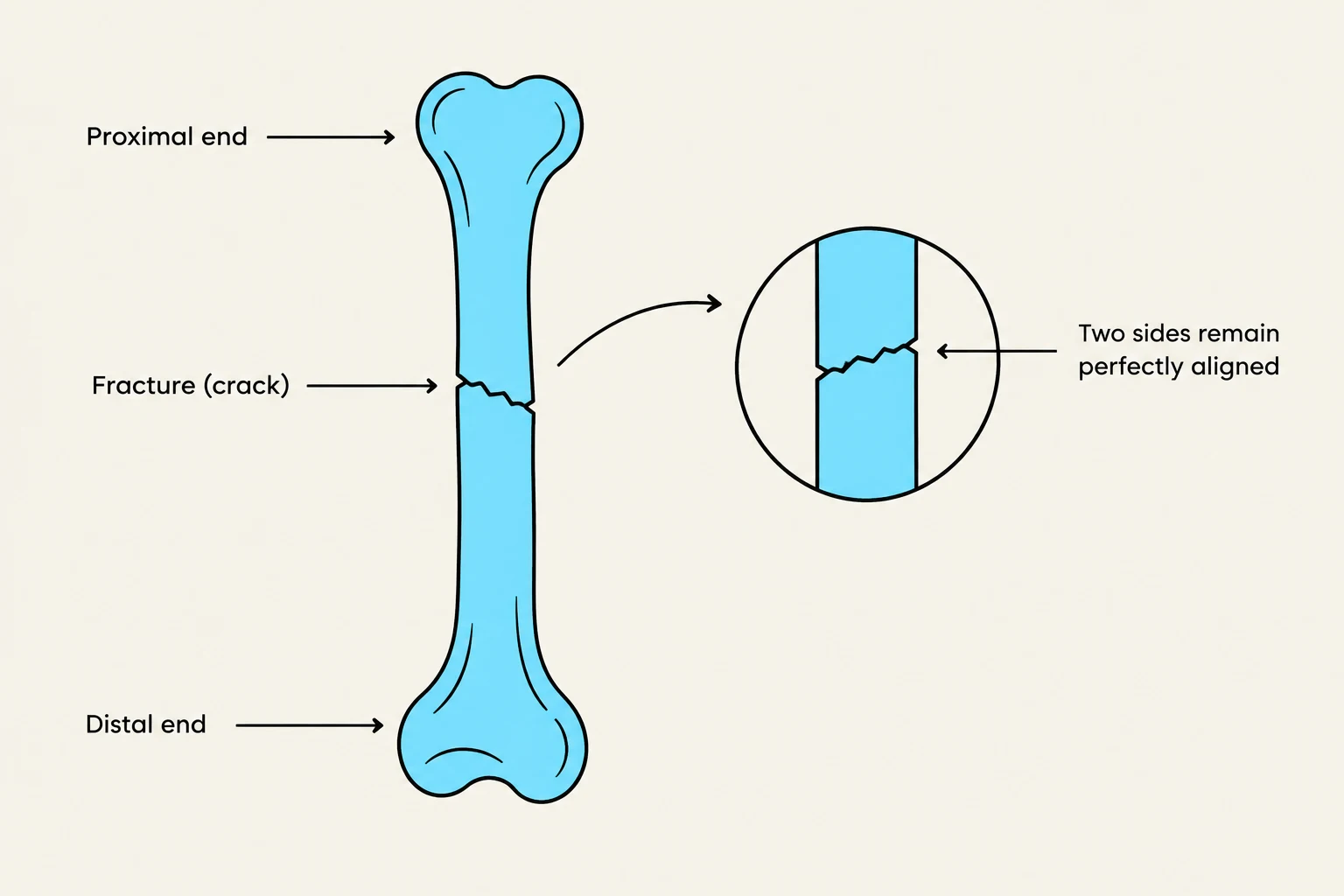
In a non-displaced fracture, the bone breaks, but the pieces remain in their normal anatomical position. Even though there is a crack or a break in the bone tissue, the edges of the fracture do not shift away from one another. Because the bone ends "retain their position," these fractures are often easier to manage through immobilization, such as a cast, as the body can begin the repair process with the pieces already aligned.
Keep reading for free.
Create an account to finish this reading and make it part of your study routine.
Continue reading freeAlready have an account? Log in
Updated