


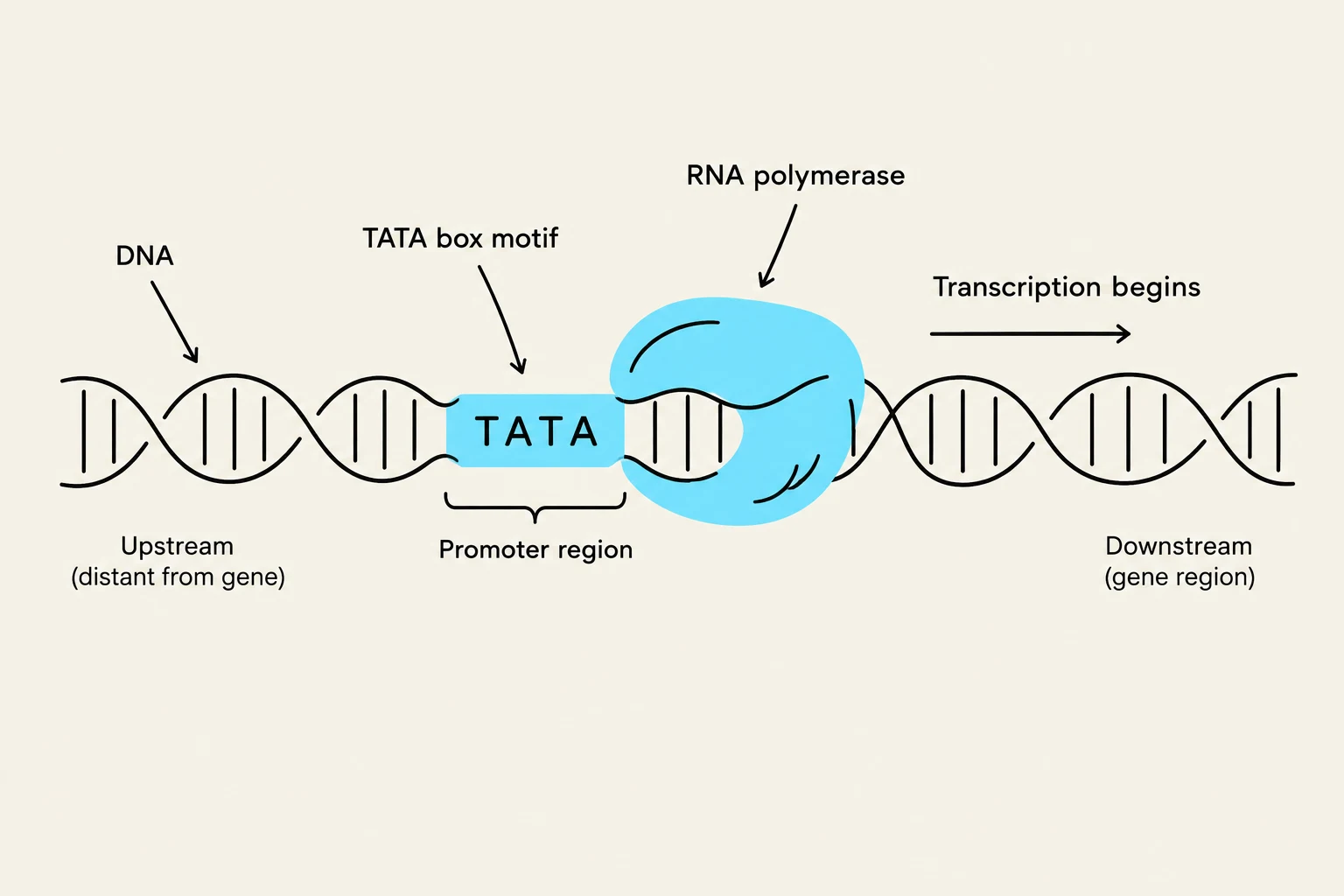
At the heart of every living cell lies a complex set of instructions encoded within the DNA molecule. To grow, divide, and function, a cell must be able to do two critical things: copy its entire genome to pass it on to daughter cells (Replication) and read specific segments of that genome to build proteins (Transcription). While these processes serve different purposes, they both rely on a specialized "molecular toolkit" of enzymes that work with incredible precision to navigate the double helix.
The Architecture of the Double Helix
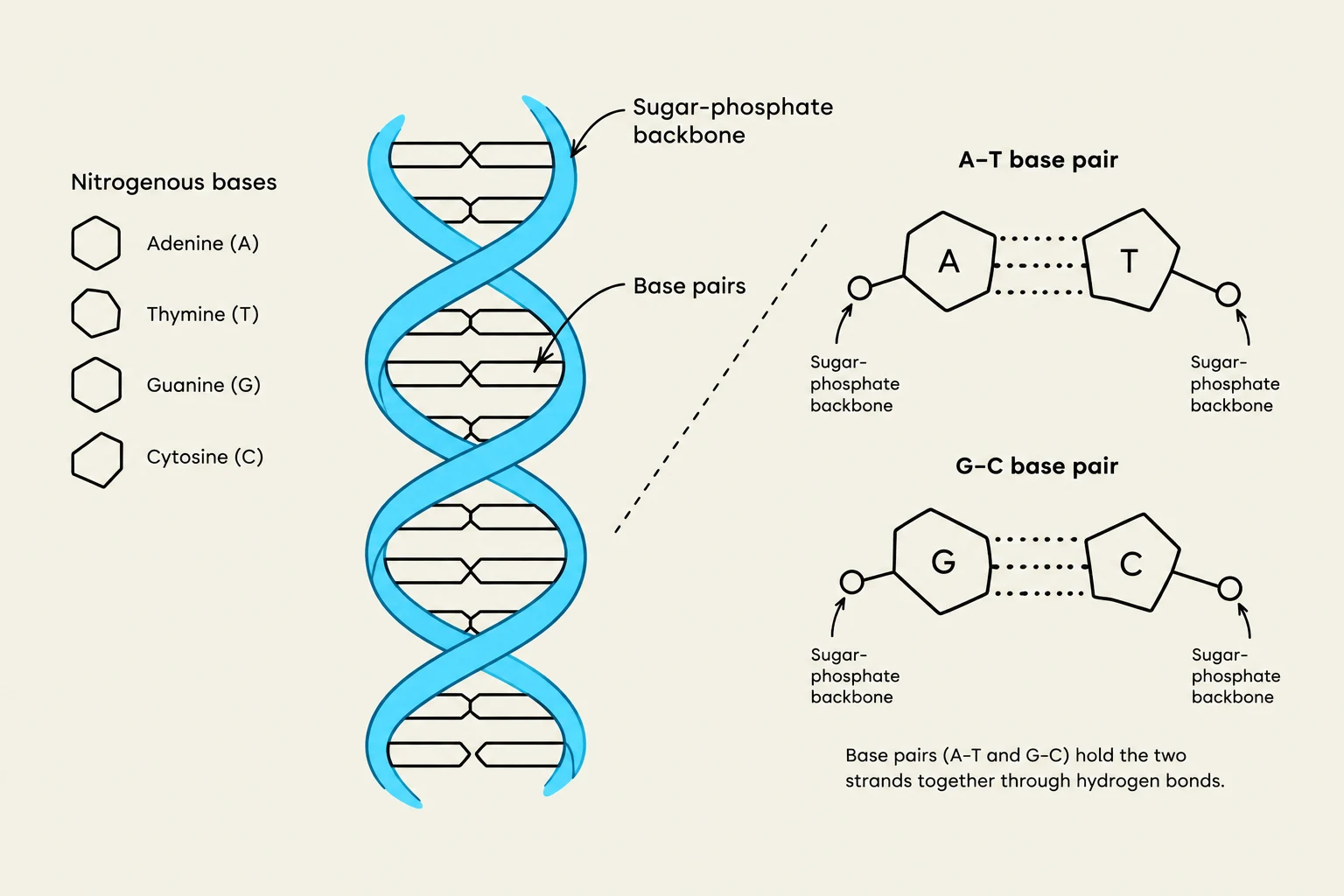
Before understanding how DNA is copied or read, we must understand its structure. DNA consists of two strands that are "annealed," meaning they are stuck together by hydrogen bonds between complementary nitrogenous base pairs. This annealing creates a stable, twisted ladder shape known as the double helix.
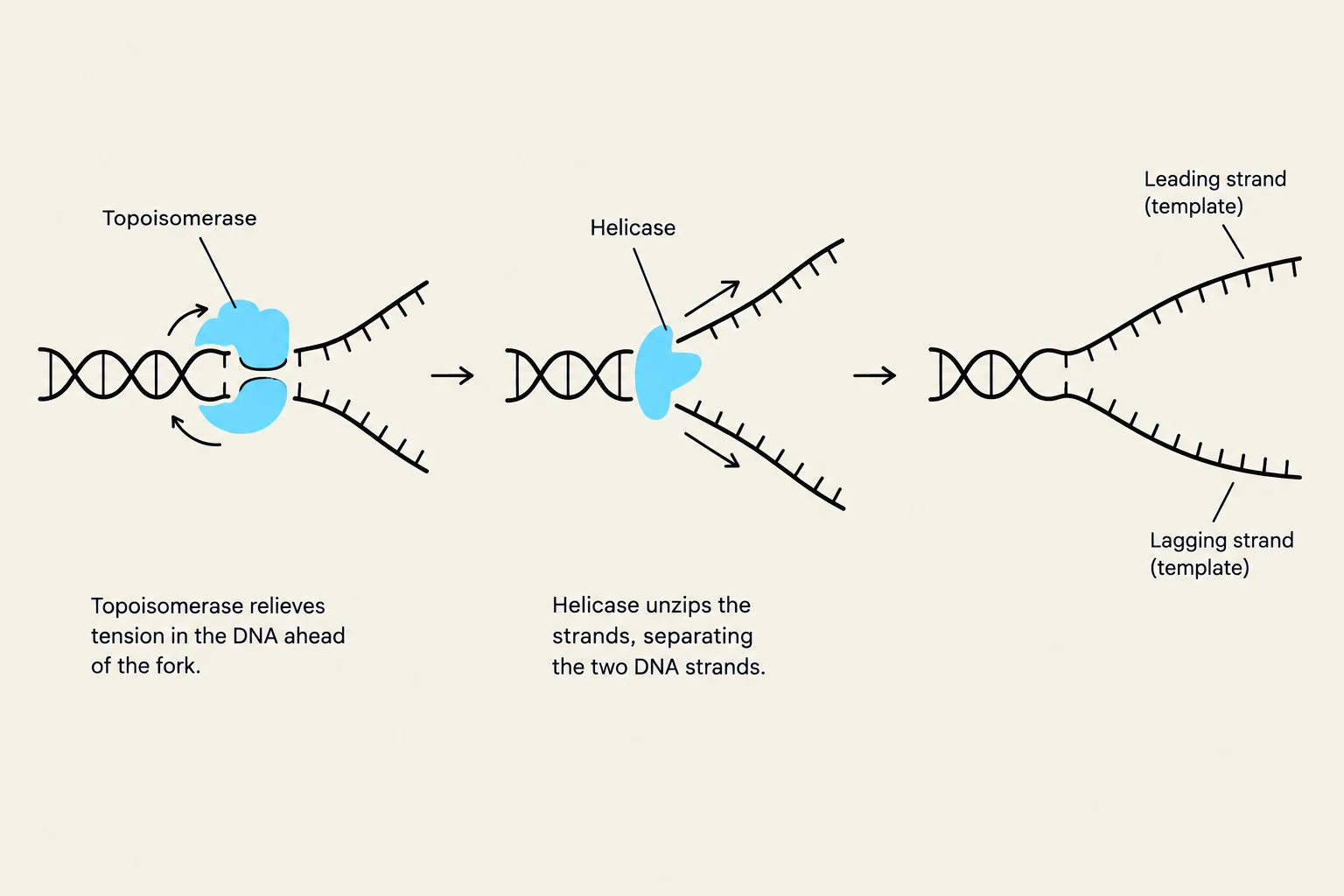
For any biological process to occur, these two strands must be separated. However, unzipping the DNA creates physical tension further down the line, much like pulling apart two strands of a twisted rope.
The Replication Machinery: Unzipping and Stabilizing
DNA replication is the process of creating an identical copy of the DNA molecule. This is a highly coordinated dance involving several key enzymes:
Keep reading for free.
Create an account to finish this reading and make it part of your study routine.
Continue reading freeAlready have an account? Log in
Updated