


What is a constitution, and how does it function as the bedrock of a nation? Constitutionalism is not merely the existence of a written document; it is a complex field of inquiry involving five fundamental questions: what a constitution is, what purposes it serves, how it should be interpreted, how disputes are resolved, and how it is changed or repudiated. At its core, constitutionalism seeks to define the limits of power and the rights of the people.
The Mechanics of Interpretation
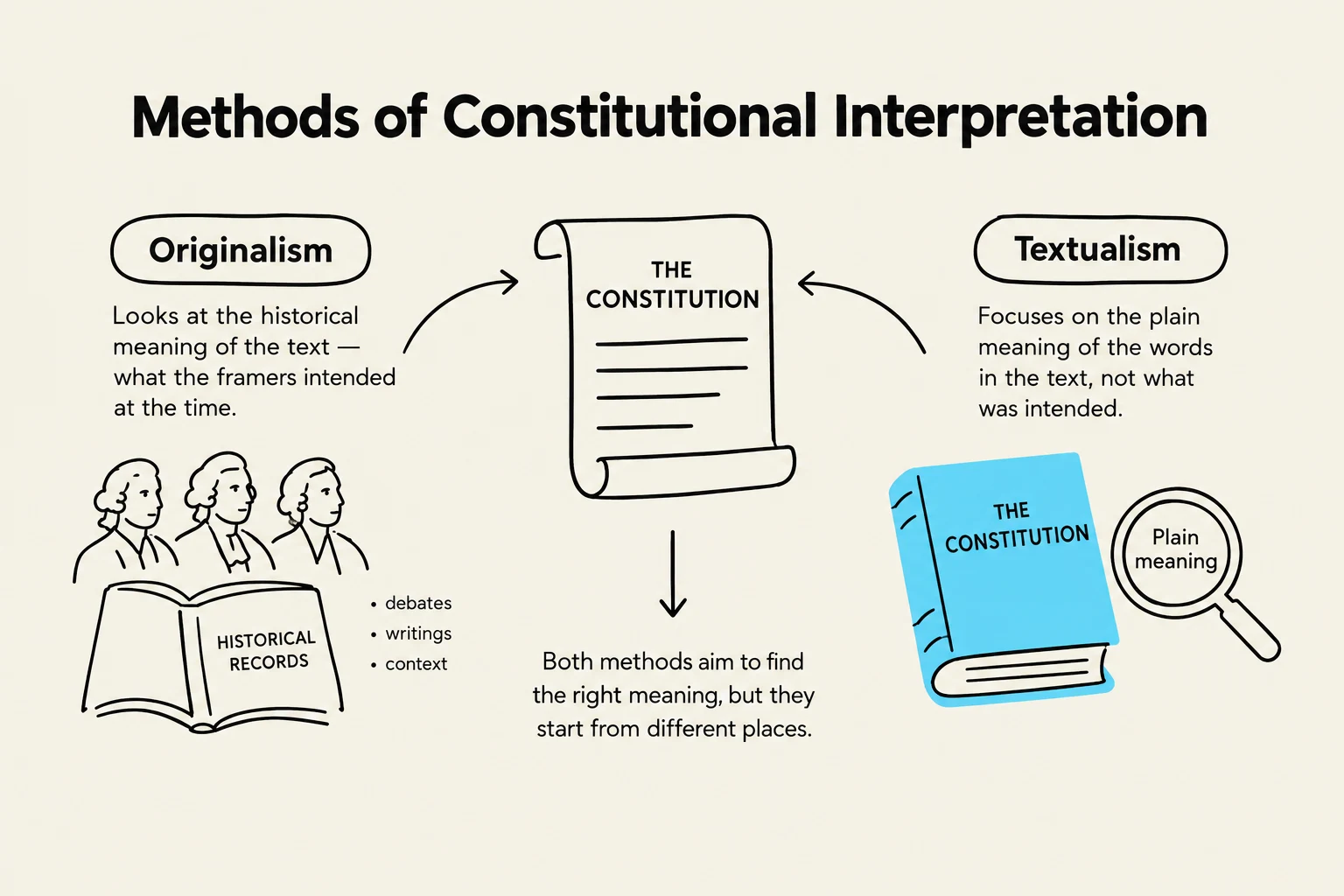
Because constitutional text is often written in broad, general language, judges must employ specific philosophies to determine its meaning. These methods are frequently the subject of intense judicial and political debate.
- Originalism: This approach argues that the Constitution should be interpreted according to the fixed historical meaning of the text at the time it was adopted. Originalists, such as Justice Alito in the Dobbs decision, argue that for a right to be protected, it must be "deeply rooted in the Nation's history and traditions".
- Textualism: Closely related to originalism, textualism emphasizes the plain, ordinary meaning of the words used by the drafters. In Bostock v. Clayton County, Justice Gorsuch utilized a textualist approach to argue that the prohibition of sex discrimination in Title VII inherently includes sexual orientation and gender identity because an employer cannot discriminate against someone for being attracted to a specific sex without considering their own sex.
- Doctrinalism: This method relies on established legal precedents and existing legal doctrines to guide interpretation.
- Structuralism: Rather than focusing on individual words, structuralists look at the overall architecture of the government—the relationships between the legislative, executive, and judicial branches—to resolve ambiguities.
- Prudentialism: This philosophy prioritizes the practical consequences of a ruling, weighing the decision against social stability and the real-world impact on the citizenry.
- Aspirationalism: Often referred to as the "living constitution" theory, this view holds that the document is a framework intended to evolve as the nation moves toward higher ideals of equality and liberty.

Keep reading for free.
Create an account to finish this reading and make it part of your study routine.
Continue reading freeAlready have an account? Log in
Updated