


Ensuring Food Safety through Precise Temperature Management
In the culinary and food service industries, temperature control is the most critical line of defense against foodborne illnesses. Whether you are monitoring a cooling process, checking the internal temperature of a roast, or verifying the temperature of a refrigerator, the reliability of your data depends entirely on the tools you use. A thermometer is only as useful as the protocols governing its use.
To maintain a safe kitchen environment, professionals must adhere to strict standards regarding how thermometers are cleaned, maintained, and applied. This article outlines the essential guidelines for thermometer sanitation, calibration, and measurement techniques to ensure both food safety and measurement precision.
Sanitation and Maintenance Protocols
The use of a thermometer involves frequent contact with various food products, ranging from raw meats to cooked vegetables. Without rigorous cleaning, a thermometer can easily become a vehicle for cross-contamination, transferring pathogens from one food item to another.
Cleaning and Drying
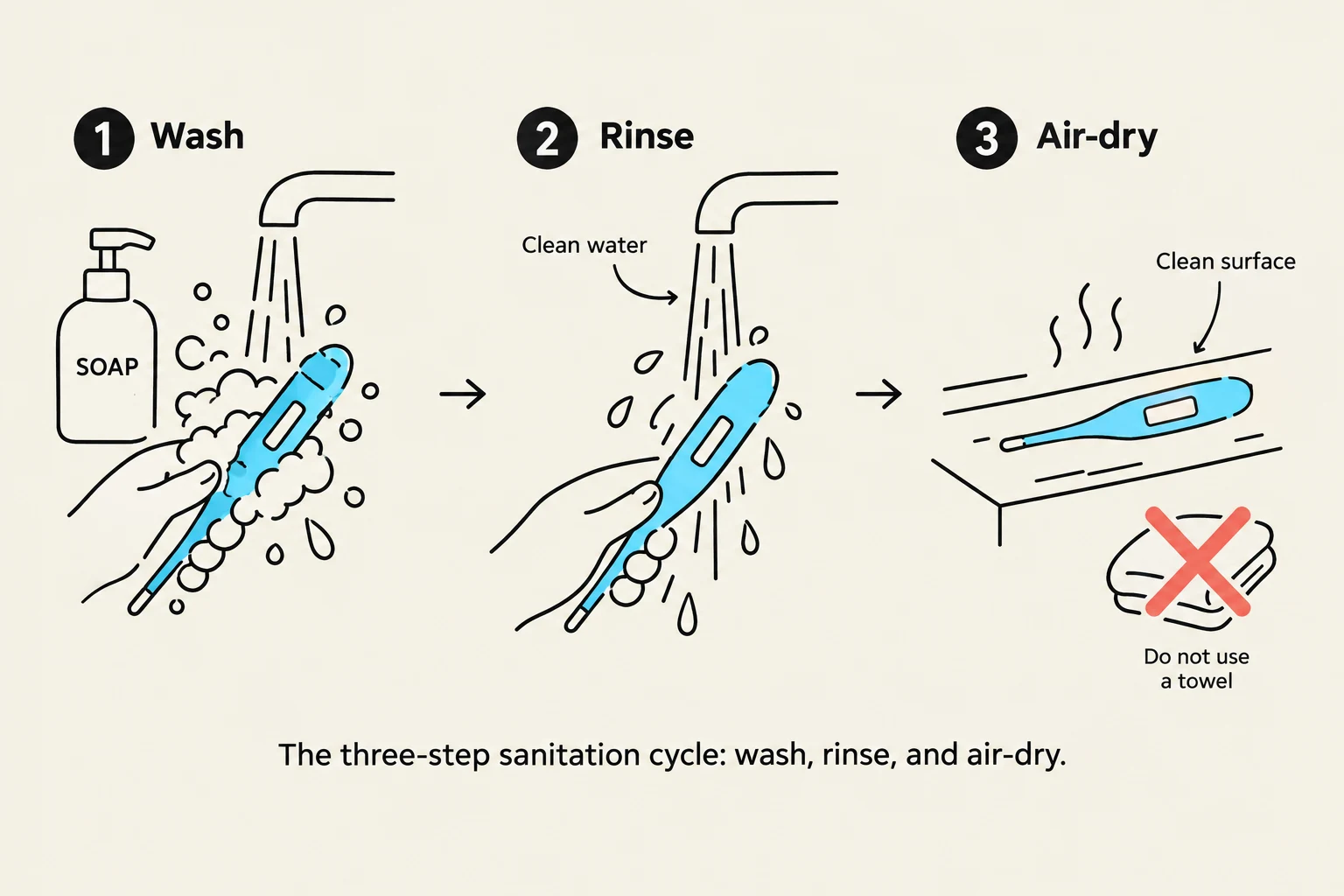
To prevent the spread of bacteria, thermometers must follow a specific three-step sanitation cycle:
- Wash: Use soap and water to remove visible food particles and debris.
- Rinse: Use clean water to remove any remaining soap residue.
- Air-Dry: Avoid using towels that may harbor bacteria; instead, allow the thermometer to air-dry completely before the next use.
These steps must be performed both before and after every single use to ensure the device is sterile when it touches food and clean when it is stored.
Calibration and Accuracy Standards
Even the highest-quality thermometers can lose accuracy over time due to temperature fluctuations, physical drops, or heavy use. To mitigate this risk, thermometers should be calibrated at the start of every shift. Regular calibration ensures that the device provides a true reading, which is vital when making decisions about whether food is safe to serve.


Keep reading for free.
Create an account to finish this reading and make it part of your study routine.
Continue reading freeAlready have an account? Log in
Updated