


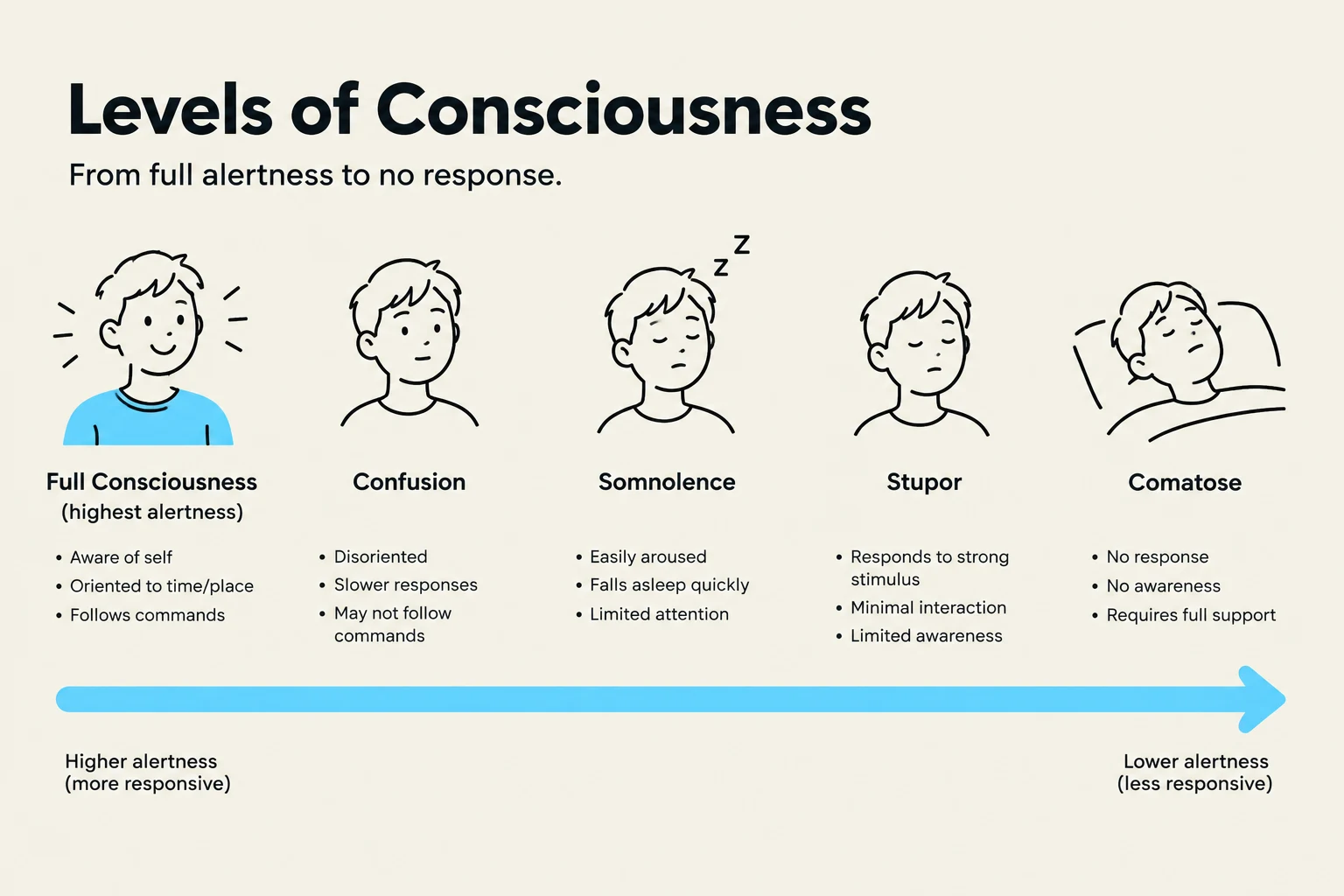
A neurological assessment is a critical component of clinical practice, serving as a window into the integrity of the central and peripheral nervous systems. When a patient presents with neurological concerns, clinicians must move beyond general observations to perform a focused assessment. This process involves systematically evaluating three core domains: orientation, level of consciousness (LOC), and motor function. By mastering these specific metrics, healthcare providers can accurately track a patient's neurological status, identify subtle declines, and communicate findings effectively within a multidisciplinary team.
Assessing Orientation
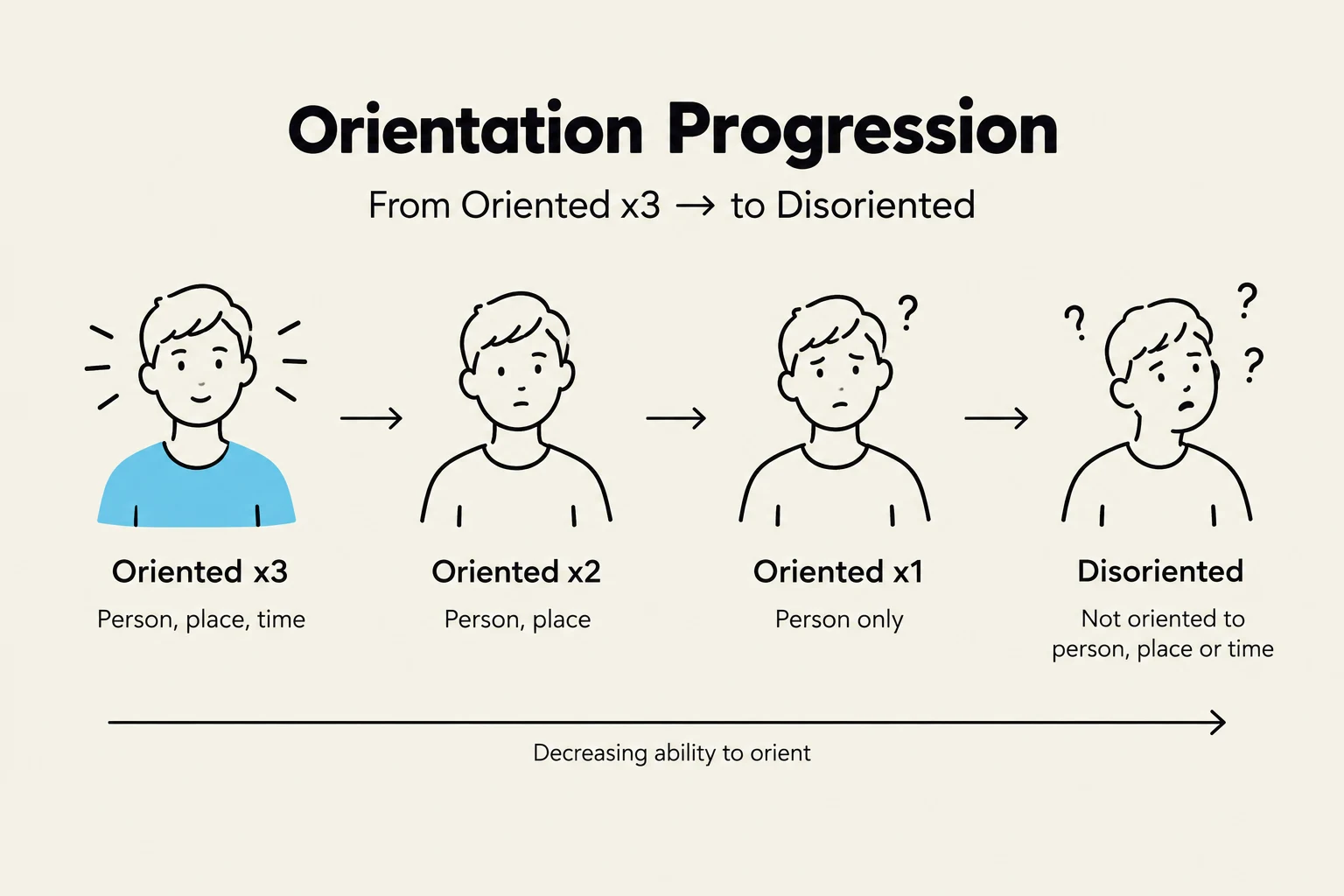
Orientation refers to a patient's awareness of themselves and their surroundings. It is not merely a "yes or no" question but a nuanced evaluation of how well a patient processes language and responds to environmental cues. To assess orientation, clinicians typically evaluate the patient's ability to identify person, place, and time.
The assessment is categorized into four distinct levels:
- Oriented x3: The patient demonstrates full cognitive integration. They understand both spoken and written language and respond appropriately to questions regarding who they are, where they are, and the current date.
- Oriented x2: This level is characterized by mild confusion and potential memory deficits. A patient might be able to recognize the season or guess the approximate date but may struggle to follow complex instructions.
- Oriented x1: At this stage, the patient is significantly confused. They are unable to verbalize their identity, location, or the time. Clinically, you may observe restlessness or agitation as the patient struggles to process their environment.
- Disoriented: This is the most severe state of cognitive impairment. The patient may be unable to follow any directions, may experience hallucinations, or may fail to respond to stimuli appropriately.

Keep reading for free.
Create an account to finish this reading and make it part of your study routine.
Continue reading freeAlready have an account? Log in
Updated