


In clinical practice, maintaining the delicate balance of fluids within the human body is a fundamental aspect of patient care. Good health requires that both the volume and the osmolality of extracellular and intracellular fluids remain within a narrow, normal range. This regulation is primarily the responsibility of the kidneys, which manage the concentration of solutes and the total amount of water in the body. When this balance is disrupted, patients may experience significant physiological distress, ranging from cellular dehydration to life-threatening cerebral edema.
Understanding Fluid Balance and Osmosis
Fluid balance refers to the equilibrium between the volume and concentration of solutes in the body's fluid compartments. We categorize deviations from this balance into two main types:
- Volume Contraction: A decrease in total body water.
- Volume Expansion: An increase in total body water.
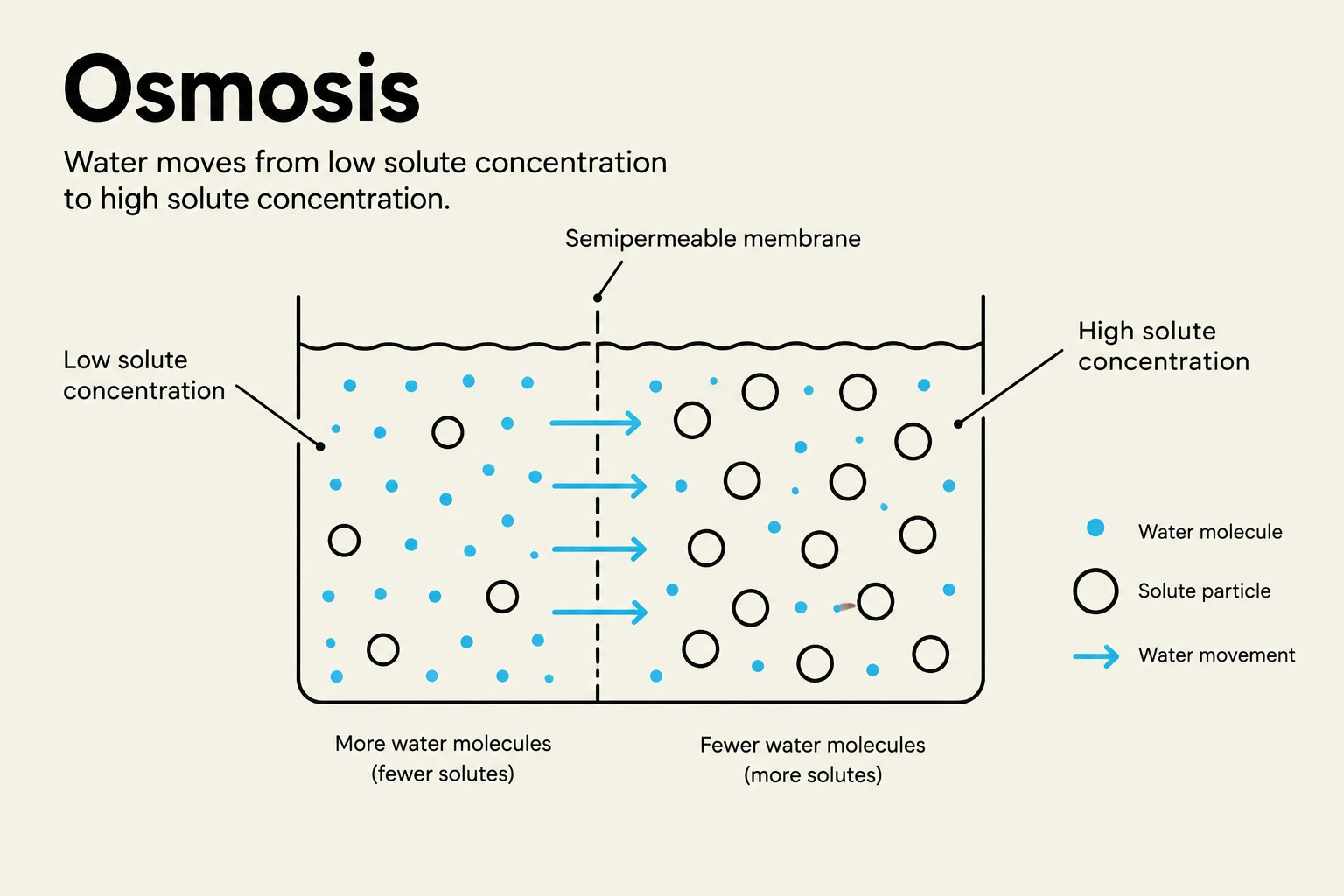
The movement of water between these compartments is driven by osmosis. Osmosis is the process where water moves from areas of lower solute concentration to areas of higher solute concentration in an attempt to dilute the solutes and achieve equilibrium.
In a clinical setting, a helpful rule of thumb is that "water follows sodium". Areas with a higher effective sodium concentration are considered relatively "drier," causing water to shift toward them to restore balance.
Tonicity and Cellular Response
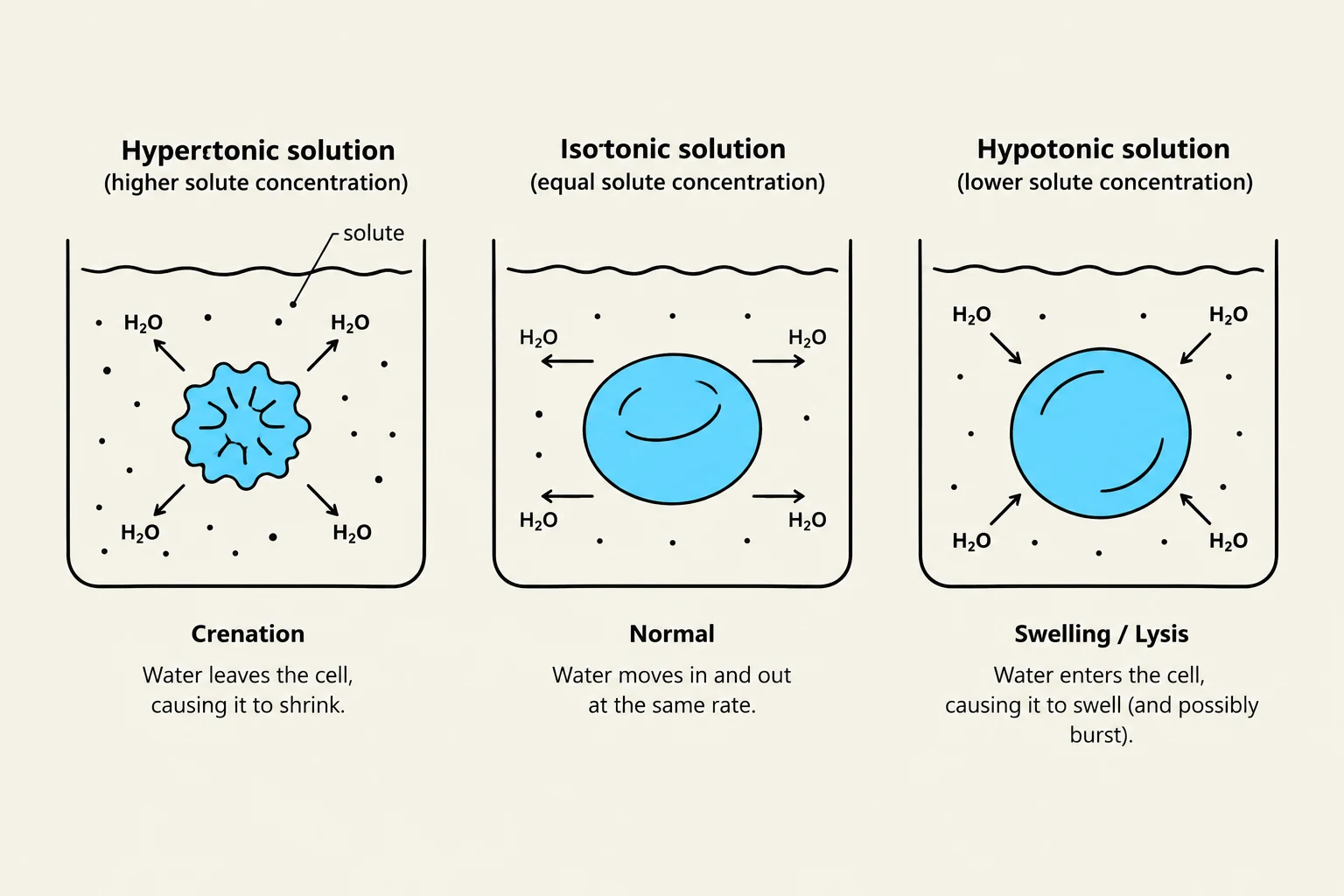
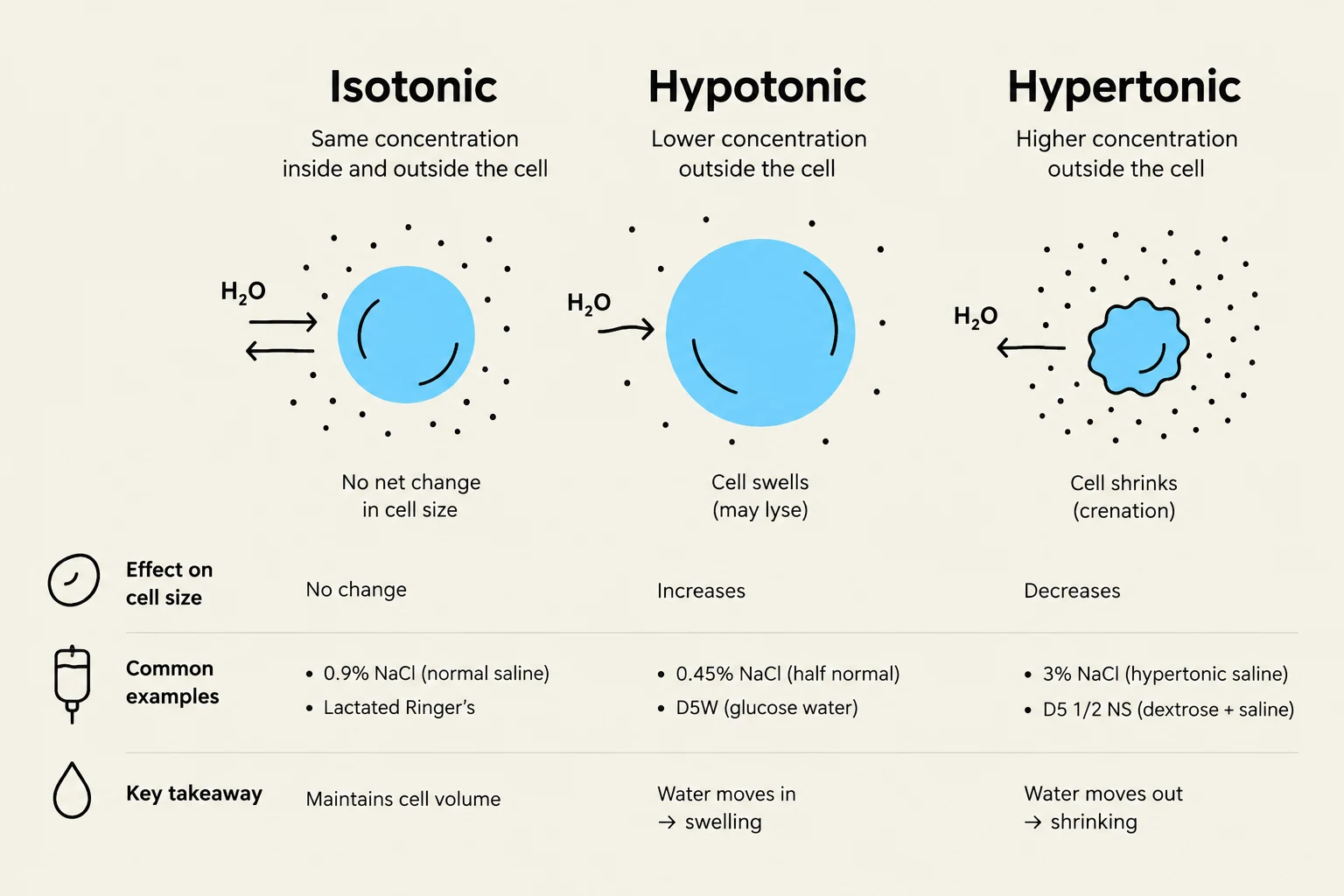
While osmosis describes the movement of water, tonicity describes how a specific solution affects cell volume by changing the osmotic pressure of the fluid surrounding the cell. Depending on the concentration of solutes in an IV solution relative to the plasma, cells will react in one of three ways:
Keep reading for free.
Create an account to finish this reading and make it part of your study routine.
Continue reading freeAlready have an account? Log in
Updated