


When parents observe their young children walking, they often notice that the feet appear very flat, with the inner edge of the foot touching the ground. This observation frequently leads to concerns about "flat feet." In pediatric podiatry and orthopedics, this condition is often identified as Flexible Pes Planus. Understanding the distinction between normal developmental stages and pathological conditions is essential for determining when intervention is actually necessary.
The Anatomy of Foot Development
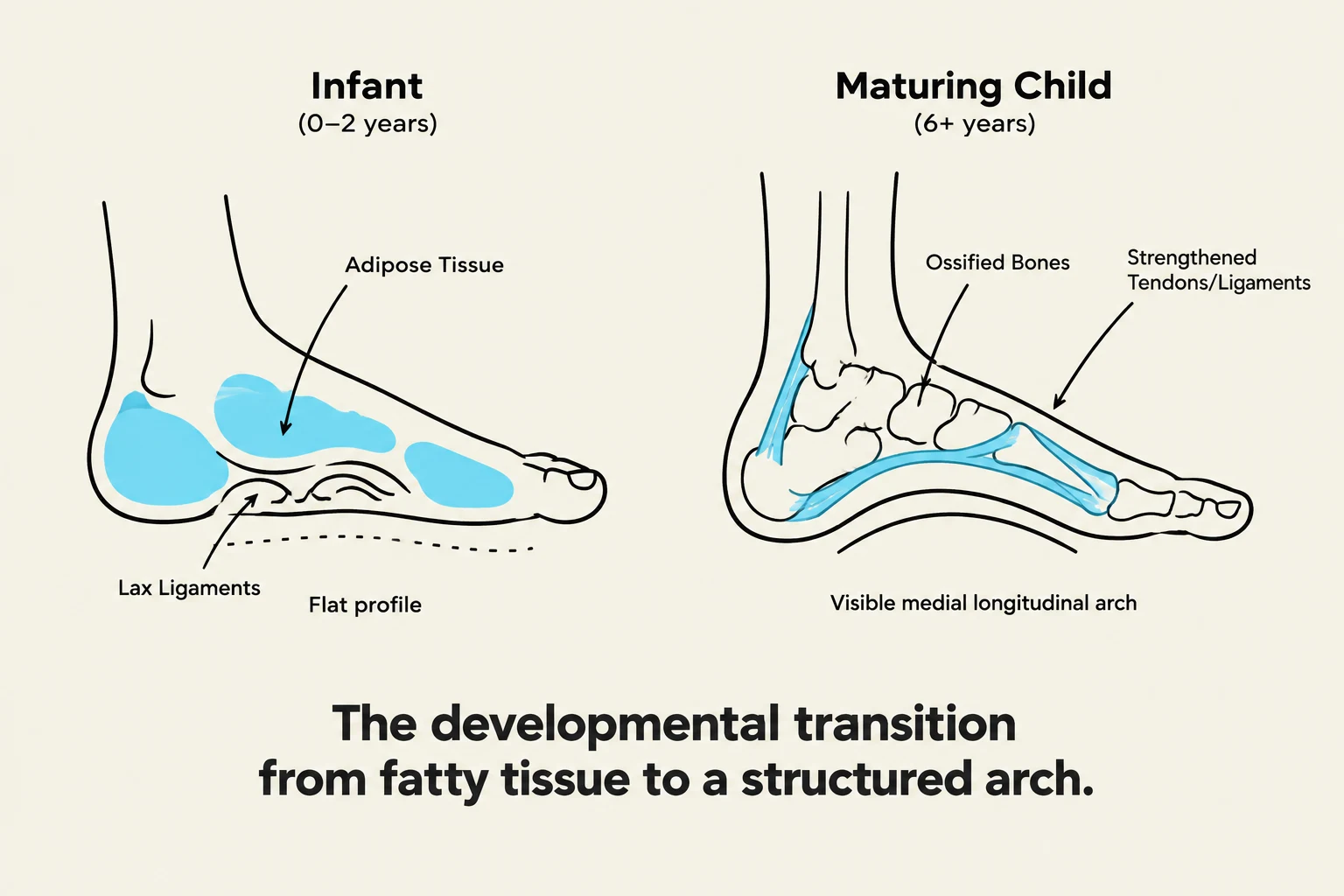
The human foot does not begin life with a high, prominent arch. Instead, the structure of the foot undergoes a significant evolutionary and developmental process as a child grows. In infancy and early childhood, the foot is characterized by a high percentage of adipose (fatty) tissue and relatively lax ligaments, which naturally results in a flatter appearance.
As a child matures, the bones of the foot undergo ossification, and the connective tissues—tendons, ligaments, and muscles—strengthen to support the increasing weight of the body. This process gradually builds the longitudinal arch.
Flexible vs. Rigid Pes Planus

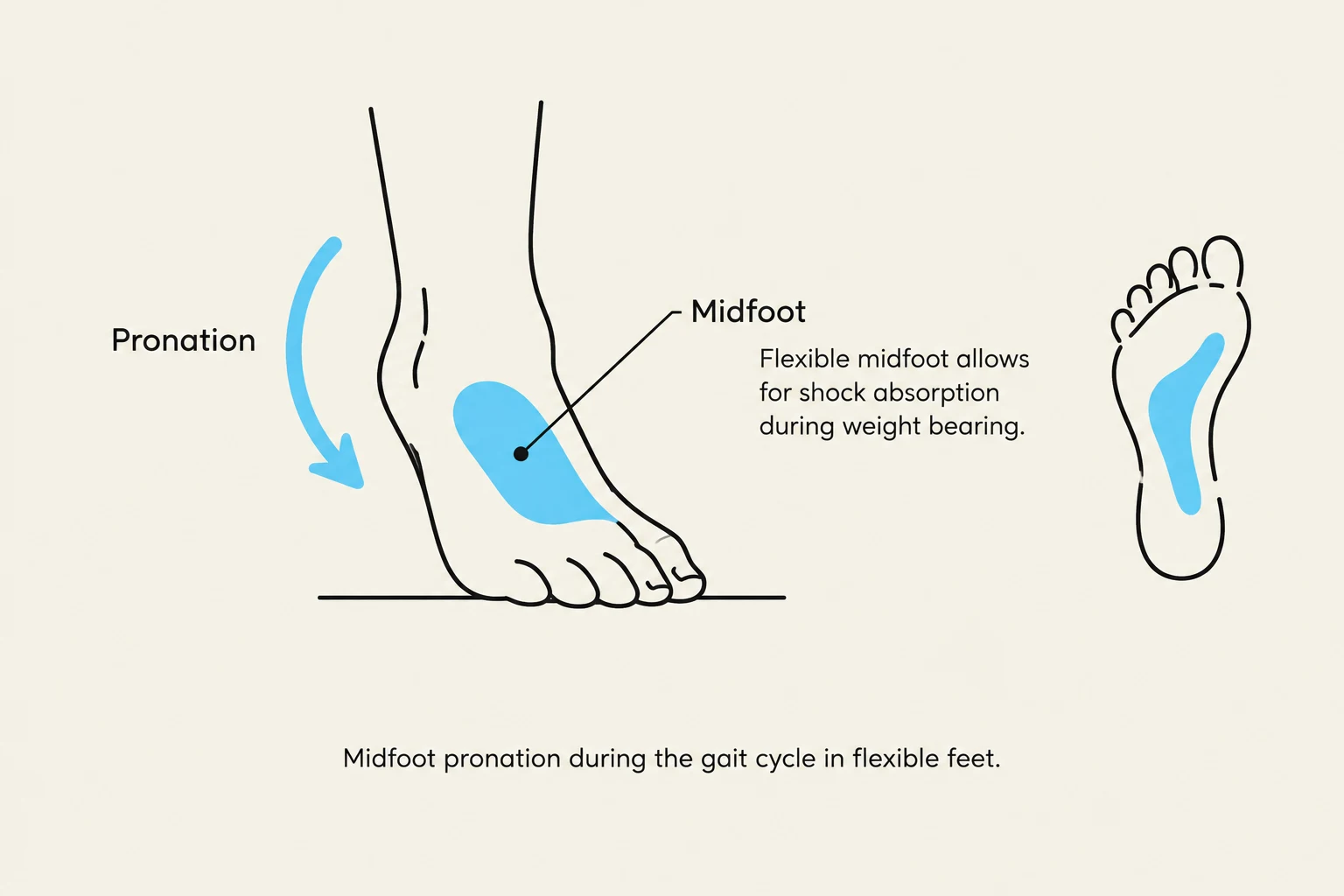
- Flexible Pes Planus: The arch is visible when the child is non-weight bearing (sitting or lying down), but it disappears when the child stands up and puts weight on the foot. This is typically a normal part of development.
- Rigid Pes Planus: The foot remains flat regardless of whether the child is bearing weight or not. This often indicates structural abnormalities, such as bone malformations or tarsal coalition, and requires more immediate clinical investigation.
Keep reading for free.
Create an account to finish this reading and make it part of your study routine.
Continue reading freeAlready have an account? Log in
Updated