


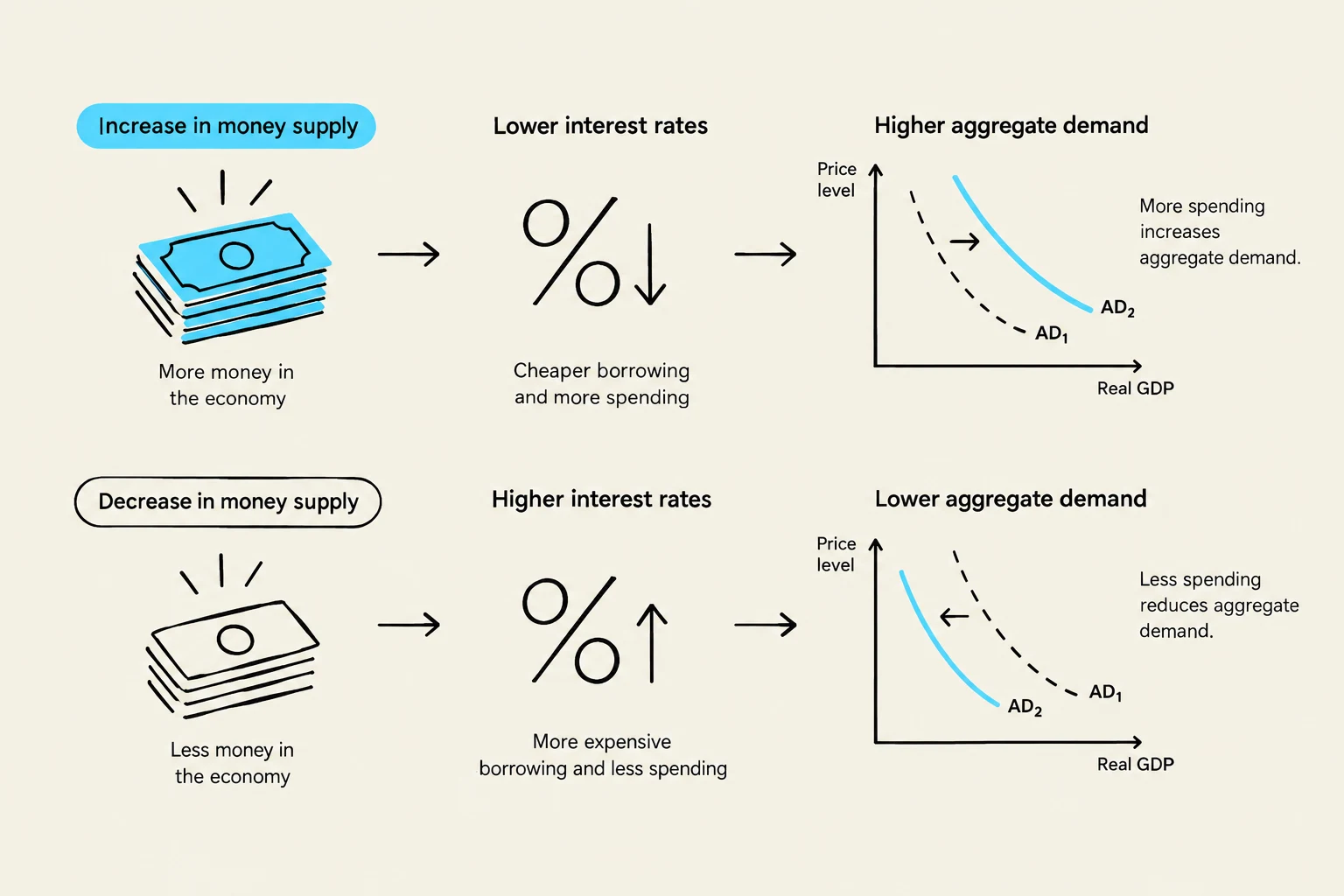
To maintain a stable and growing economy, governments and central banks utilize two primary sets of tools: fiscal policy and monetary policy. While they operate through different mechanisms, both aim to influence aggregate demand—the total demand for goods and services within an economy—to achieve long-term stability. By adjusting these levers, policymakers attempt to balance the competing needs of economic growth, price stability, and employment.
Fiscal Policy: Managing Demand through the State
Fiscal policy is the method by which a government manages the economy through its decisions regarding taxation and government spending. These two tools are the primary instruments used to influence the level of aggregate demand in a nation.
The Tools of Fiscal Policy
- Taxation: This is a vital tool for raising revenue to fund public services. However, it also serves a secondary purpose: by adjusting tax rates, the government can either stimulate or reduce aggregate demand. For example, lowering income taxes increases the disposable income of households, potentially boosting spending.
- Government Spending: Direct spending on infrastructure, healthcare, or education injects money directly into the economy, which can increase the total demand for goods and services.
Contractionary Policy
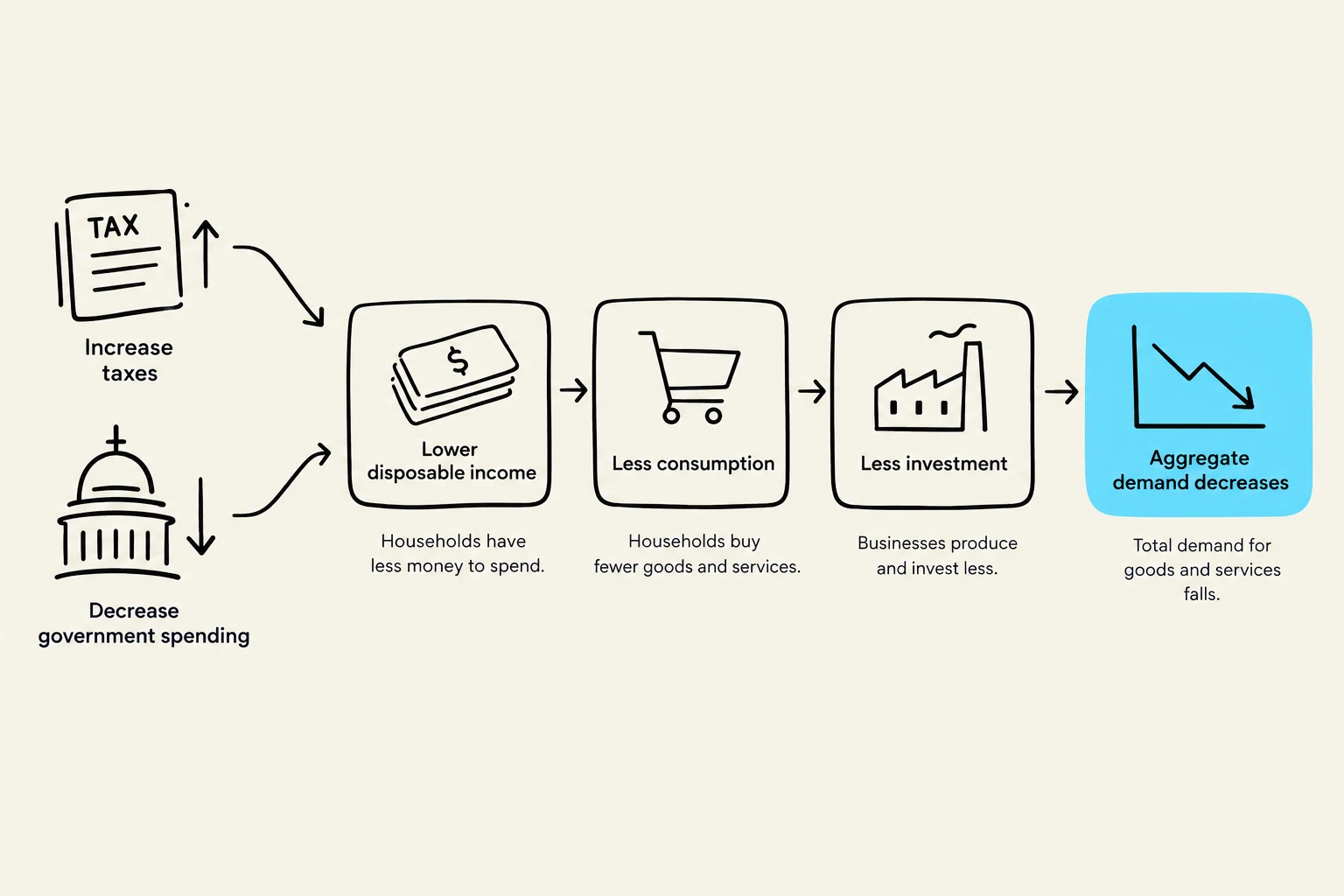
When an economy is "overheated"—meaning it is growing too fast and causing high levels of inflation—policymakers may implement a contractionary policy. A contractionary fiscal stance involves:
- Reducing government spending.
- Increasing taxes.
The goal of these actions is to "cool down" the economy by reducing the total amount of money circulating through consumer and government channels, thereby lowering aggregate demand and stabilizing prices.
Keep reading for free.
Create an account to finish this reading and make it part of your study routine.
Continue reading freeAlready have an account? Log in
Updated