


In the tension between the government's need to enforce laws and the media's need to gather information, a fundamental constitutional question arises: Can the state force a journalist to reveal their sources? This conflict pits the power of the grand jury against the protections of the First Amendment. While many believe that journalists possess a "shield" that protects their confidential informants, the Supreme Court of the United States has established a much more limited reality.
The First Amendment and the Freedom of the Press
The First Amendment guarantees the freedom of speech and the press, principles that are essential to a functioning representative government. These freedoms are not merely about the right to speak, but also about the right to gather information and disseminate it to the public.
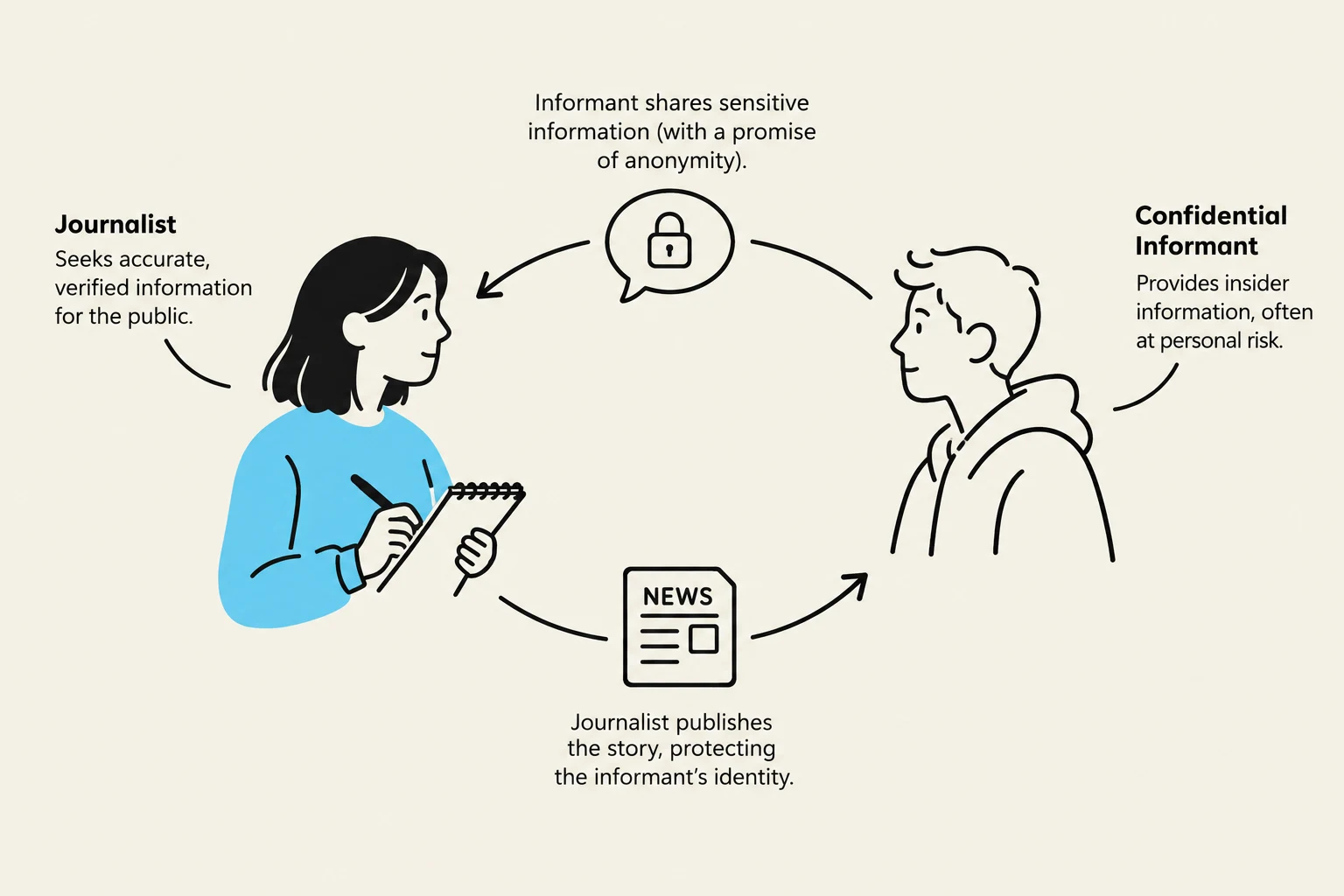
For the press to function effectively, journalists often rely on confidential informants—individuals who provide sensitive information but require anonymity to avoid professional, social, or physical retaliation. The argument for protecting these sources is rooted in the idea that if the government can compel disclosure, the "free flow of information" will be choked off, as sources will become too fearful to speak.
Exam Tip: When analyzing First Amendment cases, distinguish between the right to publish (which is broadly protected) and the right to gather information (which may be subject to more government regulation).
The Conflict: Grand Jury Subpoenas vs. Newsman's Privilege
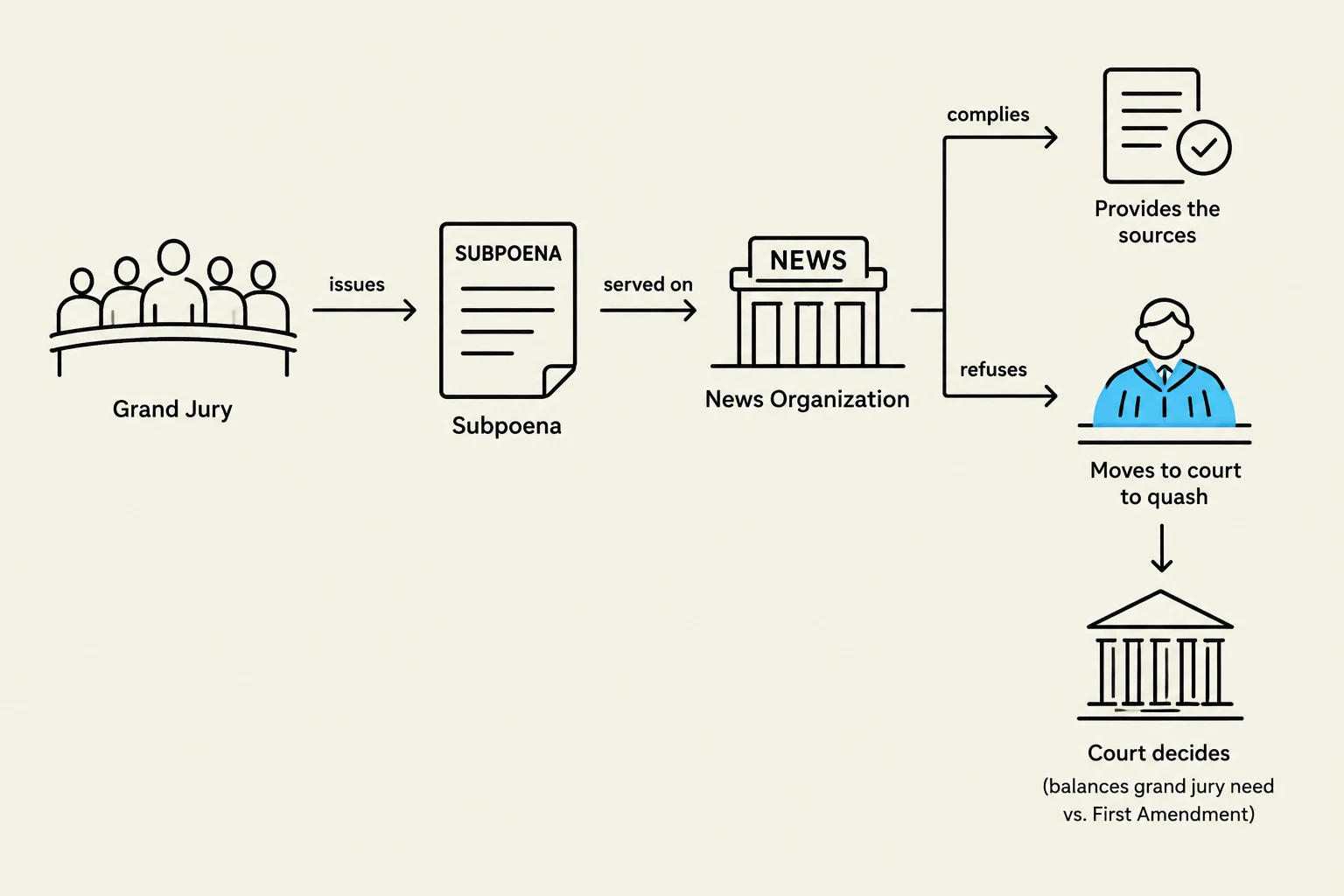
The primary legal mechanism used to compel disclosure is the grand jury subpoena. A grand jury is a constitutionally mandated body tasked with investigating potential crimes and determining whether to issue indictments. Because grand juries are essential to the administration of justice, they possess broad powers to issue subpoenas for testimony and documents.
Keep reading for free.
Create an account to finish this reading and make it part of your study routine.
Continue reading freeAlready have an account? Log in
Updated