


Clinical assessment of the female patient requires a nuanced understanding of both urological health and developmental milestones. For many patients, urinary symptoms and the onset of puberty are key indicators of systemic health, nutritional status, and endocrine function. This article provides a focused guide on assessing the female urinary system, distinguishing between common infections and serious pathologies, and utilizing the Tanner scale to monitor sexual maturation.
Anatomy and Physiology of the Urinary System
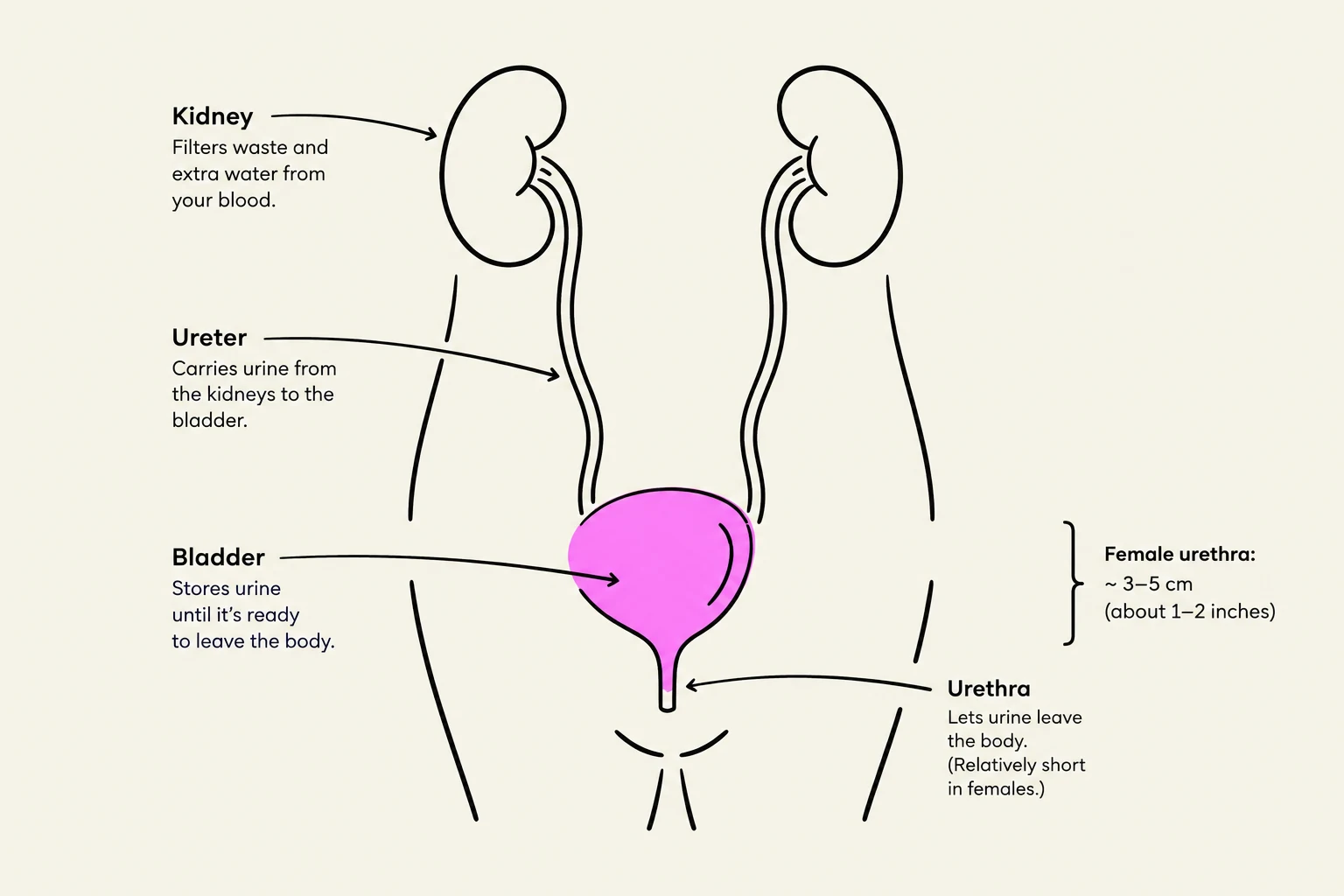
The female urinary system is composed of four primary structures: the kidneys, ureters, bladder, and urethra. The kidneys serve as the body's primary filtration system, performing several critical homeostatic functions, including:
- Blood Filtration: Removing metabolic waste products.
- Fluid and Electrolyte Regulation: Maintaining osmotic balance.
- Acid-Base Balance: Regulating blood pH.
- Blood Pressure Regulation: Through hormonal mechanisms.
- Erythropoiesis: The production of red blood cells.
A significant anatomical consideration in the female population is the length of the urethra. In females, the urethra is approximately 1.5 inches long, which is significantly shorter than in males. This anatomical feature provides a shorter pathway for bacteria to travel from the external environment to the bladder, thereby increasing the risk of ascending bacterial infections.
Clinical Assessment of Urinary Symptoms
When evaluating a patient for urinary concerns, clinicians must perform a focused history and physical examination. Key symptoms to investigate include dysuria (painful urination), frequency, urgency, nocturia (waking at night to void), hematuria (blood in the urine), and pain located in the suprapubic or flank regions.
Keep reading for free.
Create an account to finish this reading and make it part of your study routine.
Continue reading freeAlready have an account? Log in
Updated