


In the study of economics, societies face a fundamental dilemma: how to satisfy infinite human wants with finite resources. This tension is at the heart of every economic decision. Once a society decides what to produce, it must tackle the critical question of how to produce—determining the most efficient way to mix technology and resources to create goods and services.
The Problem of Scarcity
At the core of all production decisions is the concept of scarcity. Scarcity refers to the economic problem where no society possesses enough resources to produce every single good and service required to satisfy all human desires. Because resources are limited, every choice to produce one thing involves a trade-off, necessitating a strategic approach to how we utilize what we have.
Resources: The Building Blocks of Production
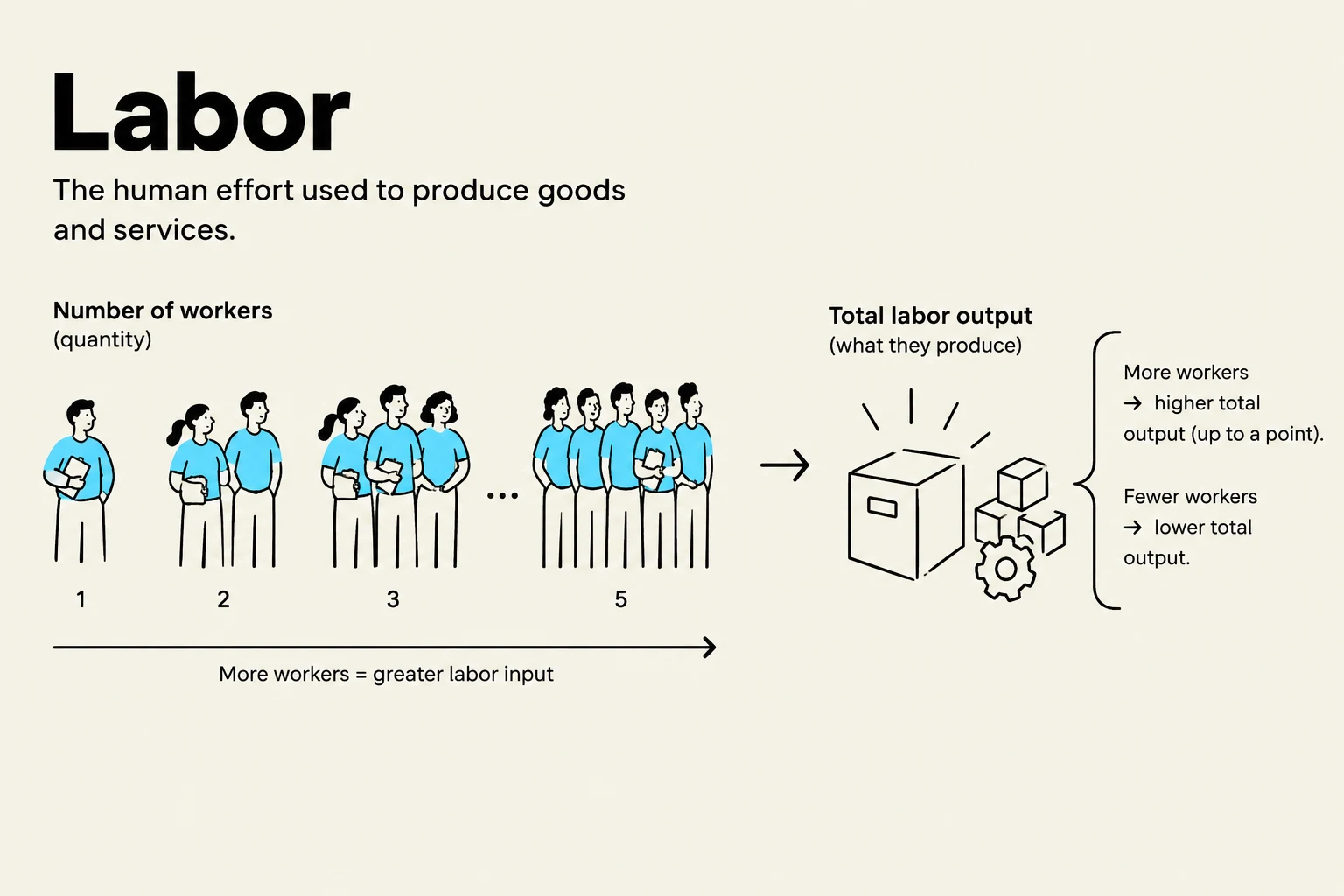
To combat scarcity, we use resources, which are the basic categories of inputs used to create goods and services. In economic terms, these are frequently referred to as factors of production. Economists categorize these inputs into three primary groups: land, labor, and capital.

1. Land
In economics, land is a shorthand term for any natural resource provided by nature that is used in the production process. It is not limited to just the soil beneath our feet; it encompasses all "gifts of nature" available for human use.

Keep reading for free.
Create an account to finish this reading and make it part of your study routine.
Continue reading freeAlready have an account? Log in
Updated