


Infertility is a complex medical condition that arises from a delicate interplay of biological, behavioral, and environmental variables. At its core, successful conception relies on the precise regulation of the body's hormonal system, which governs the production and quality of reproductive cells—specifically eggs (ova) in women and sperm in men. When this system is disrupted by external or internal stressors, the ability to conceive can be significantly impaired.
The Role of the Hormonal System and Reproductive Cells
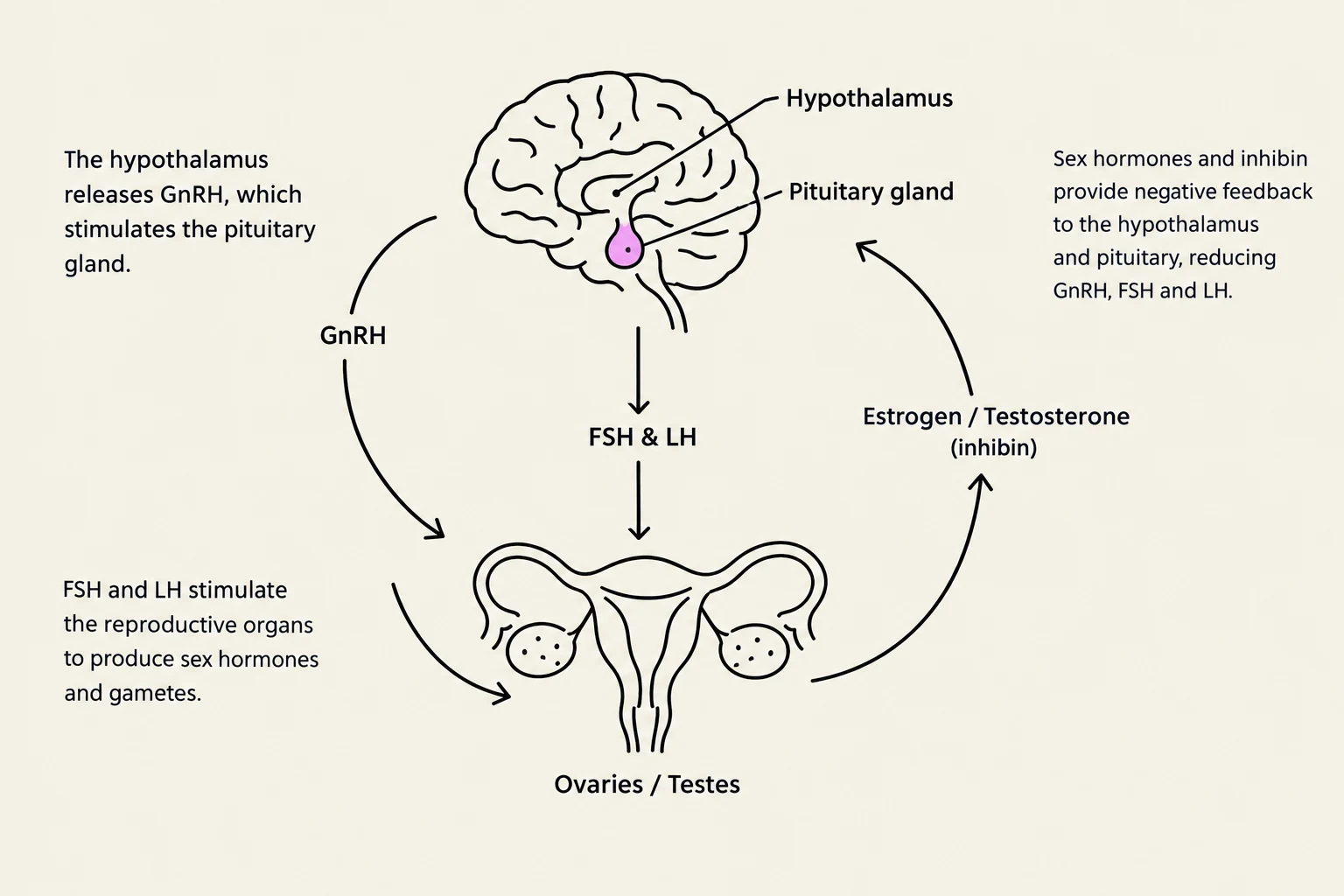
To understand infertility, one must first understand the biological targets of various risk factors. The endocrine system produces hormones that signal the ovaries to release an egg (ovulation) and regulate the production of sperm quality in the testes.
Disruptions to this system can manifest in several ways:
- In Women: Interference with the hormonal cycle can prevent regular ovulation or reduce the quality of the eggs available for fertilization.
- In Men: Factors can diminish the quantity or the motility (movement) of sperm, making it harder for sperm to reach and fertilize an egg.
Study Tip: When analyzing infertility cases, always distinguish between "quantitative" issues (not enough eggs or sperm) and "qualitative" issues (the cells are present but not functioning correctly).
Behavioral Risk Factors
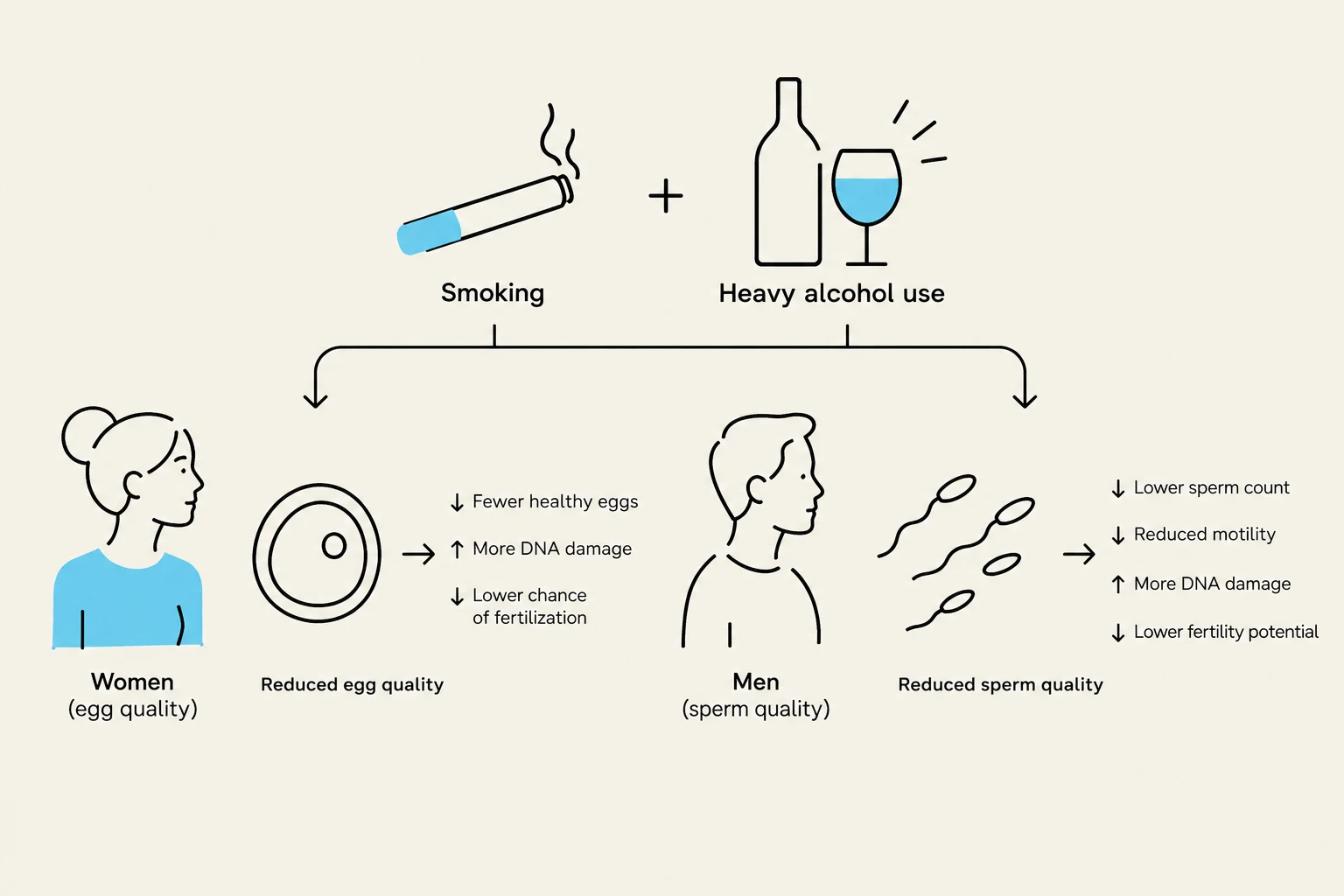
Lifestyle choices play a massive role in reproductive health. Many of the factors that affect long-term metabolic health also have direct consequences for fertility.
Keep reading for free.
Create an account to finish this reading and make it part of your study routine.
Continue reading freeAlready have an account? Log in
Updated