


Understanding the External Urethral Sphincter
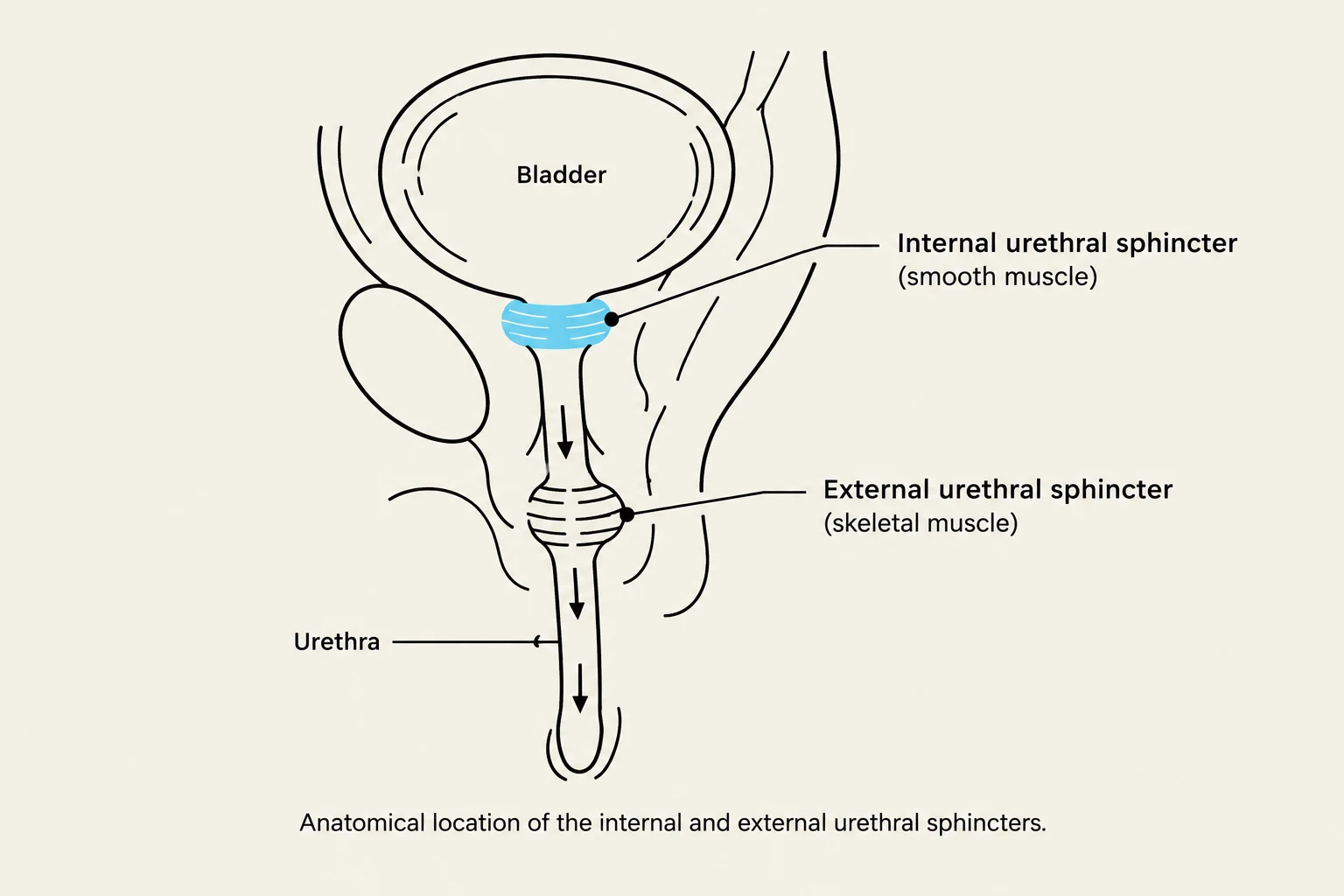
In the complex orchestration of the human urinary system, the ability to control when we urinate is just as important as the ability to urinate itself. While many bodily functions are managed entirely by the autonomic nervous system—operating behind the scenes without our input—the process of maintaining urinary continence relies heavily on a specific muscular structure: the external urethral sphincter.
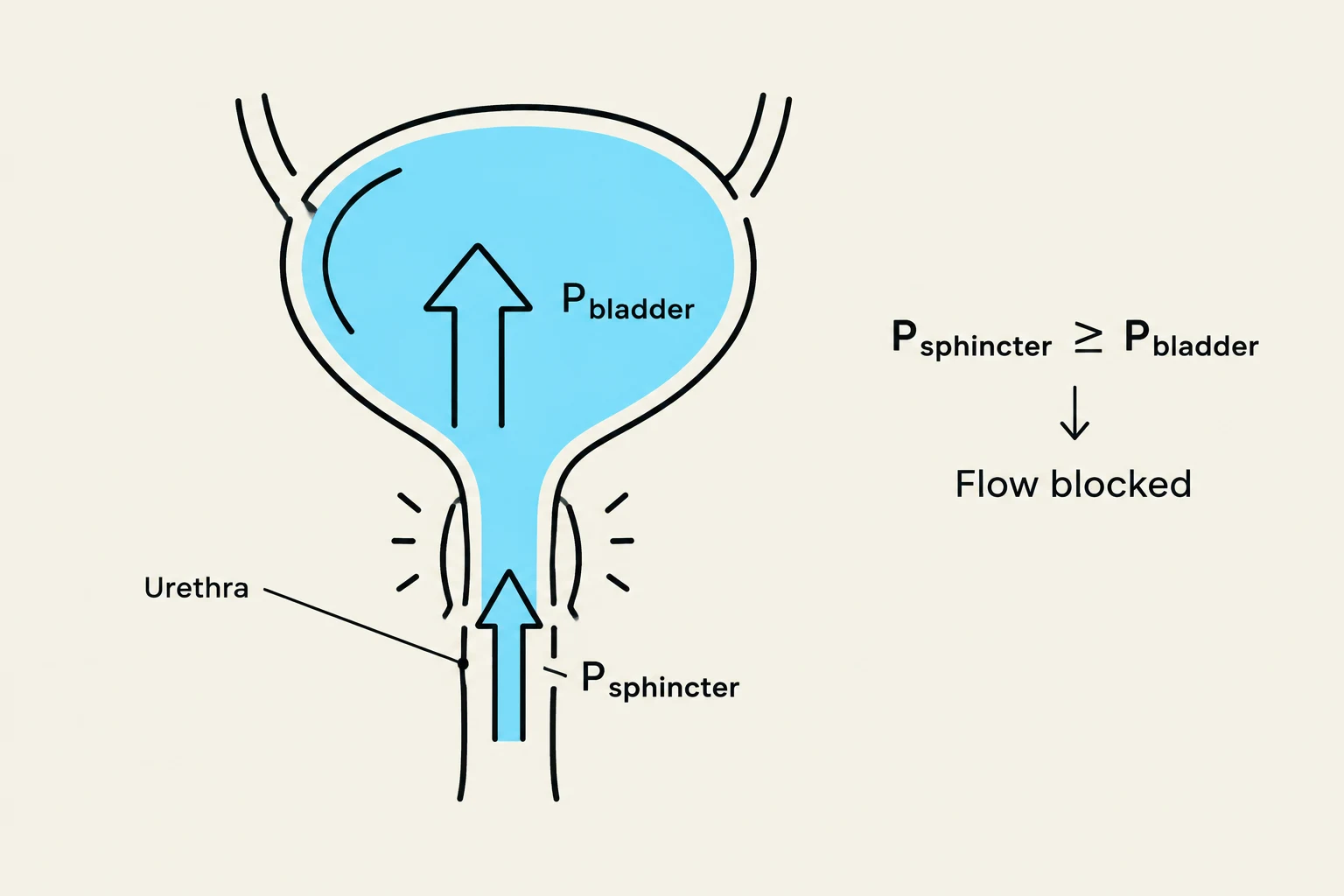
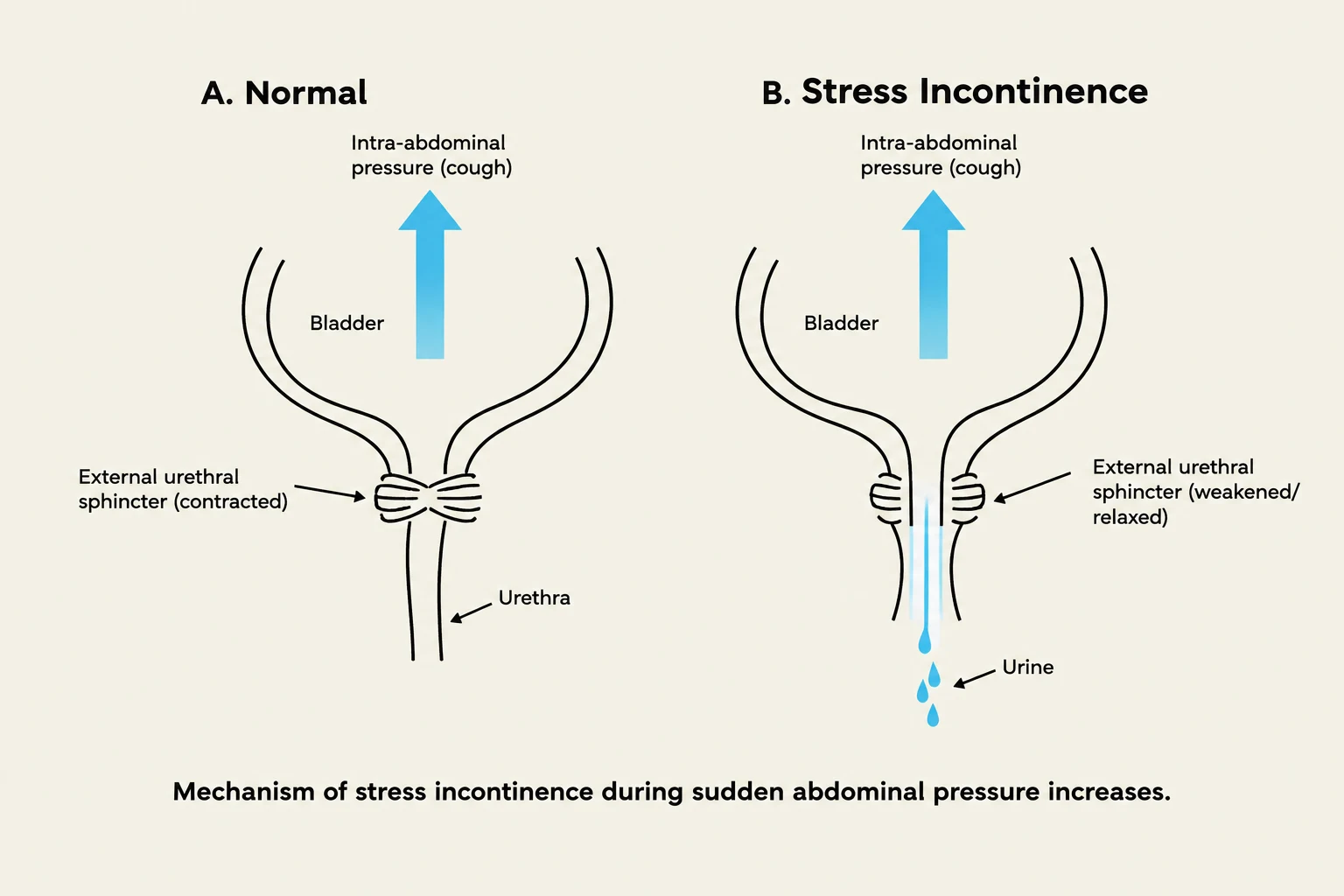
This muscle serves as the gatekeeper of the urinary tract, providing the physiological mechanism necessary for the voluntary inhibition of urination. Understanding how this sphincter functions is essential for grasping the difference between involuntary biological processes and conscious motor control.
The Anatomy of Control: Internal vs. External
To understand the external urethral sphincter, it is helpful to contrast it with its counterpart, the internal urethral sphincter. The urinary system utilizes a dual-sphincter mechanism to manage the flow of urine from the bladder through the urethra.
- The Internal Urethral Sphincter: This muscle is located at the junction of the bladder and the urethra. It is composed of smooth muscle and is controlled by the autonomic nervous system. This means it operates involuntarily; you cannot "decide" to tighten or relax the internal sphincter.
- The External Urethral Sphincter: Located further down the urethral pathway, this muscle is composed of skeletal muscle. Because it is skeletal muscle, it is under the jurisdiction of the somatic nervous system, which allows for conscious control.
💡 Exam Tip: The "Voluntary" Keyword
When studying for anatomy or physiology exams, always associate the word "external" with "voluntary" and "skeletal muscle." If a question asks which structure allows you to delay urination through a conscious effort, the answer is the external urethral sphincter.
Keep reading for free.
Create an account to finish this reading and make it part of your study routine.
Continue reading freeAlready have an account? Log in
Updated