


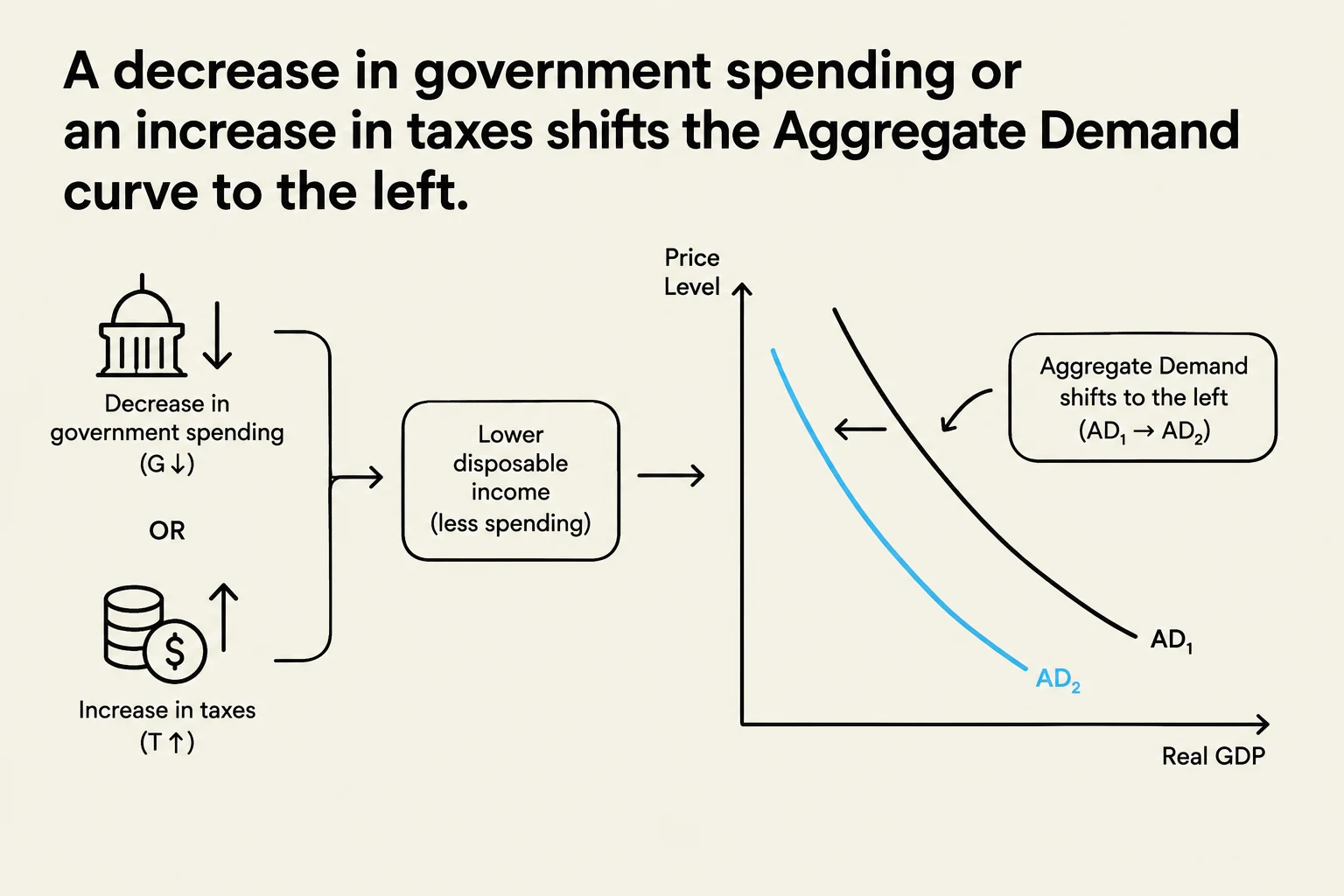
Governments play a central role in managing the stability and growth of their national economies. One of the most powerful tools at their disposal is fiscal policy, which involves the strategic use of government revenue (taxation) and expenditure (spending) to influence the level of Aggregate Demand (AD). By adjusting these two levers, policymakers aim to achieve key macroeconomic objectives, such as economic growth, full employment, and price stability.
The Two Pillars of Government Expenditure
To understand how fiscal policy works, we must first distinguish between how a government spends its money. Government expenditure is generally categorized into two main types:
- Capital Expenditure (Gross Fixed Capital Formation): This refers to long-term investments in the economy's productive capacity. Examples include building infrastructure like roads and transport networks, investing in healthcare facilities (hospitals), education (schools), and funding scientific research.
- Current Expenditure: This represents the ongoing consumption of goods and services required for the day-to-day running of the state. This includes the wages of public sector employees, such as doctors in state hospitals, and the routine maintenance of existing parks and roads.
Expansionary Fiscal Policy: Stimulating Growth
When an economy faces low growth or high unemployment, the government may implement expansionary fiscal policy. The primary goal is to increase Aggregate Demand to stimulate economic activity.
This is achieved through two main actions:
- Increasing Government Spending (): Direct injections into the economy through public projects or services.
- Reducing Tax Rates (): Lowering taxes increases the disposable income of households and the retained profits of firms, encouraging consumption and investment.

Keep reading for free.
Create an account to finish this reading and make it part of your study routine.
Continue reading freeAlready have an account? Log in
Updated