


Biology is built upon two monumental pillars: the understanding of how life changes over time through evolution, and the discovery of the chemical blueprint that makes those changes possible through the structure of DNA. While these two concepts—evolutionary theory and molecular biology—might seem distant, they are deeply interconnected. Evolution provides the "why" of biological diversity, while DNA provides the "how".
The Foundation of Evolution
The modern understanding of biology was fundamentally reshaped on November 24, 1859, with the publication of Charles Darwin's On the Origin of Species. Darwin proposed that life is not static but is driven by a process known as natural selection.
For evolution to occur, two fundamental processes must be present: reproduction and mutation. Reproduction ensures that genetic information is passed from one generation to the next, while mutations provide the raw material for change. A mutation is a change in the DNA sequence; these small biological differences are what lead to the vast array of diverse organisms we observe in the world today.
Exam Tip: If asked what is required for evolution to take place, remember the two-part requirement: Mutation (to create variation) and Reproduction (to pass that variation on).
The Discovery of the Genetic Blueprint
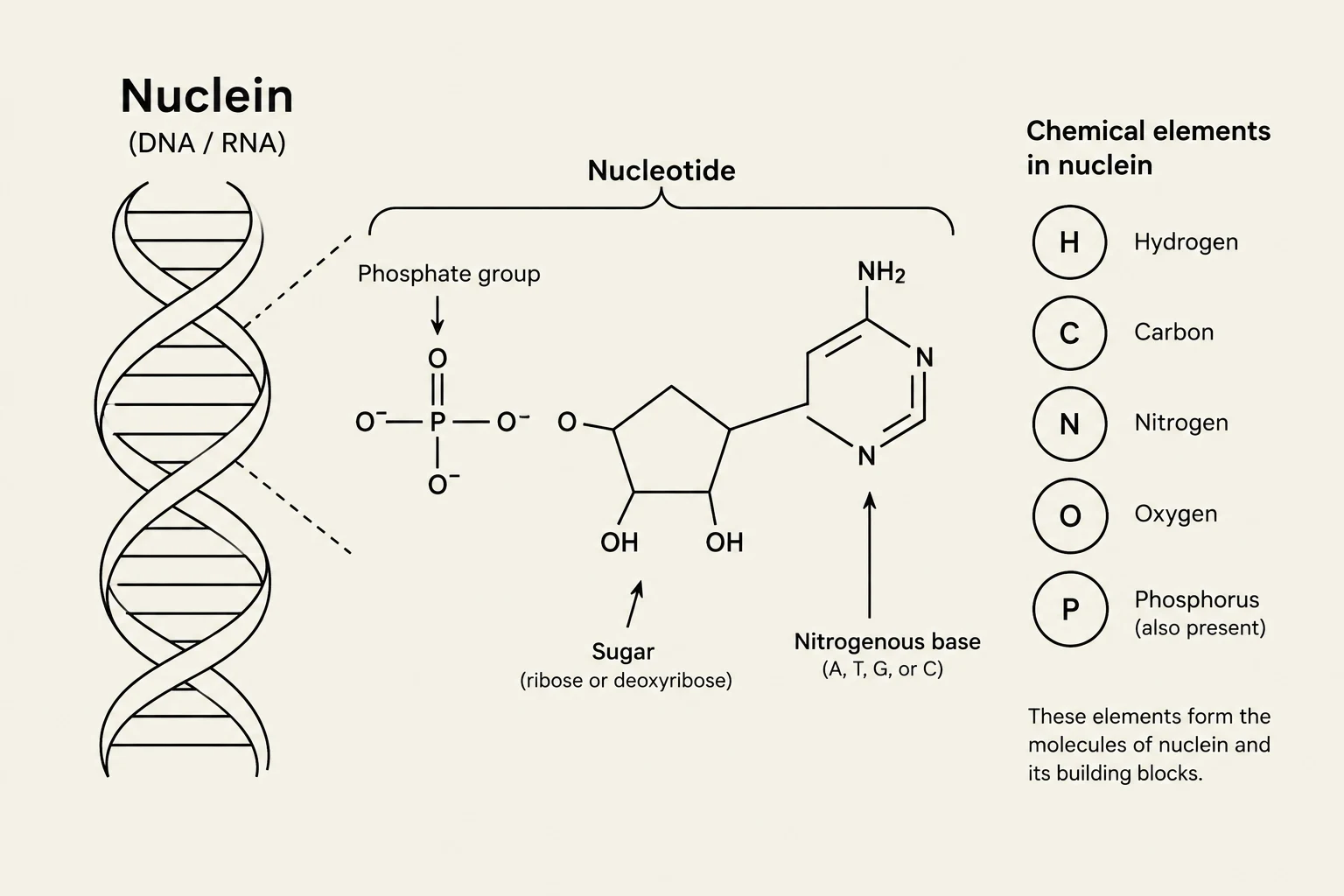
Before we could understand the mechanics of mutation, scientists had to identify the substance that carried genetic information. This journey began much earlier than the 1950s. In 1869, Swiss scientist Friedrich Miescher began analyzing the chemical components of pus collected from hospital bandages.
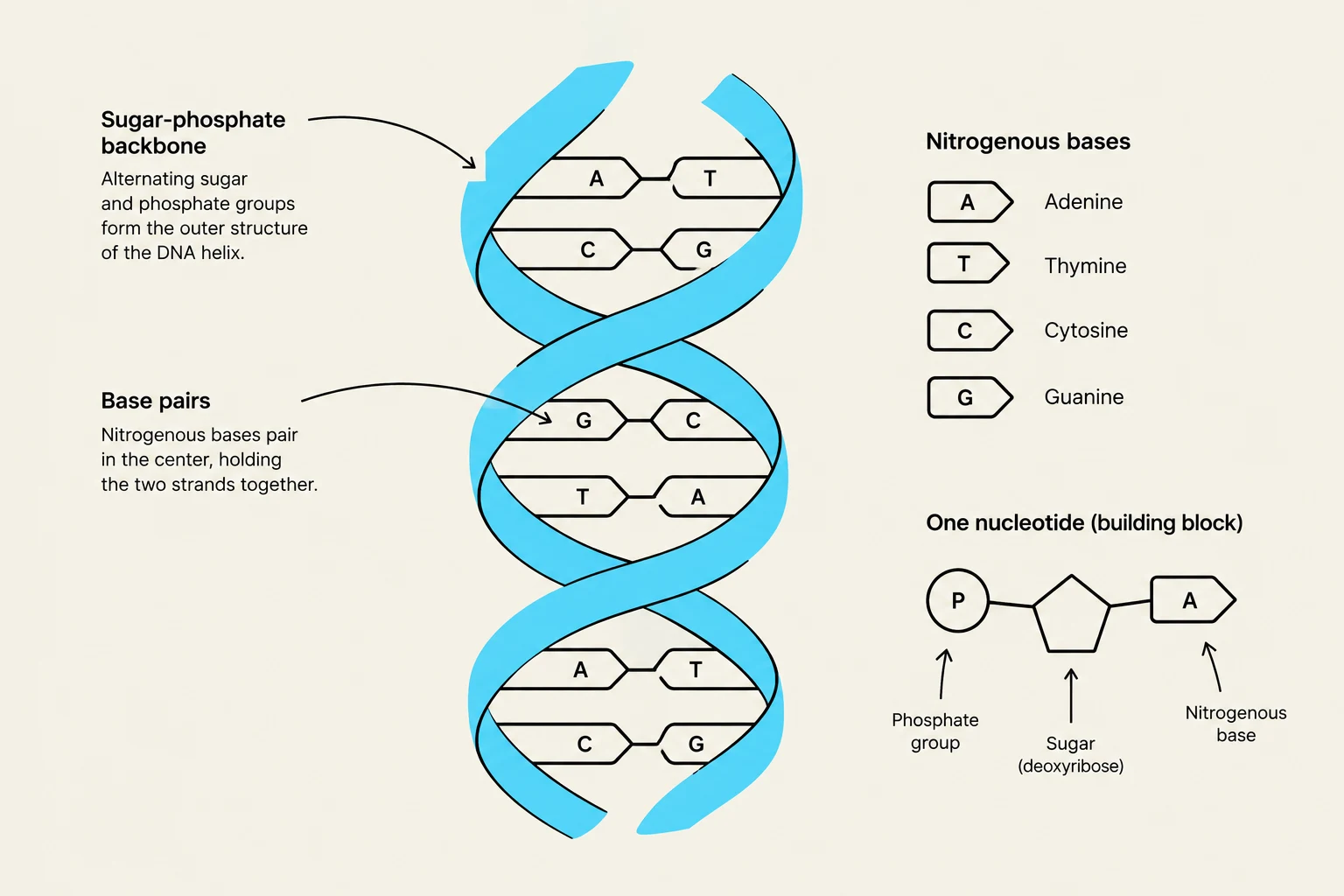
Miescher identified a substance that shared a chemical composition similar to proteins—containing hydrogen, carbon, nitrogen, and oxygen—but it was distinguished by the presence of a phosphate group. Because of this unique component, he named the substance "nuclein". Although Miescher did not realize he had discovered DNA, his identification of the phosphate group was a crucial step in uncovering the chemical backbone of life.
Keep reading for free.
Create an account to finish this reading and make it part of your study routine.
Continue reading freeAlready have an account? Log in
Updated