


The foot and toes are complex anatomical structures that undergo significant mechanical stress during locomotion. For clinicians, developing an effective plan of care requires a systematic approach that integrates subjective history, detailed physical inspection, and functional biomechanical analysis. By understanding the relationship between structural alignment, muscle function, and gait patterns, practitioners can differentiate between acute injuries and insidious pathologies to provide evidence-based interventions.
Subjective History
A thorough clinical history is the foundation of an accurate diagnosis. When assessing a patient, clinicians must investigate the present condition, focusing on the chief complaint, the specific location of pain, the mechanism of injury (MOI), and whether the onset was acute or insidious. Environmental factors, such as the playing surface, distance traveled, duration of activity, and the type of footwear used, are critical for identifying potential contributors to injury.
Furthermore, a patient's past medical history can significantly influence foot health. Conditions such as rheumatoid arthritis, gout, and diabetes are vital to consider, as they can alter joint integrity, sensation, and wound healing.
Physical Examination and Inspection
The physical examination begins with a visual inspection of the foot and toes to identify skin conditions, structural deviations, and alignment issues.
Skin and Surface Inspection
Clinicians should look for common dermatological and structural issues, including:
- Tinea pedis (fungal infection).
- Onychocryptosis (ingrown nails).
- Plantar warts and corns.
- Onychomycosis (nail fungus) and subungual hematomas.
- Retrocalcaneal exostosis (bony growths at the heel).
Structural Alignment and Posture
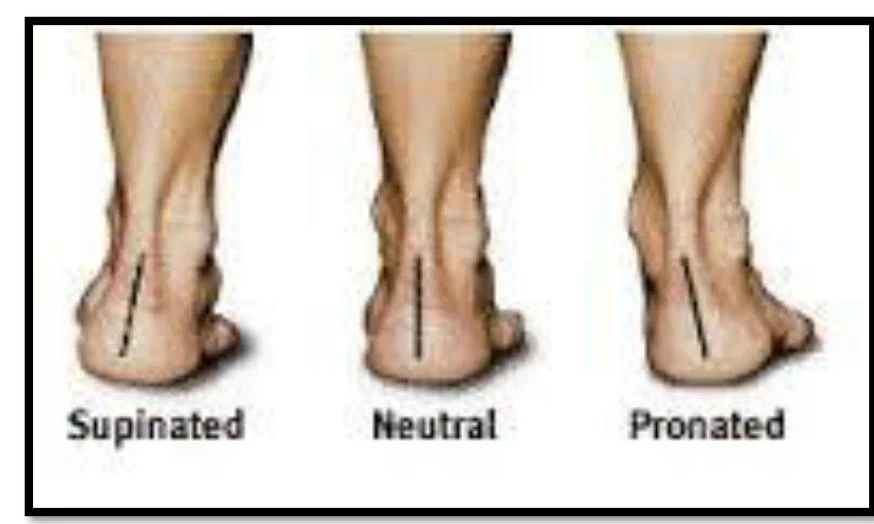
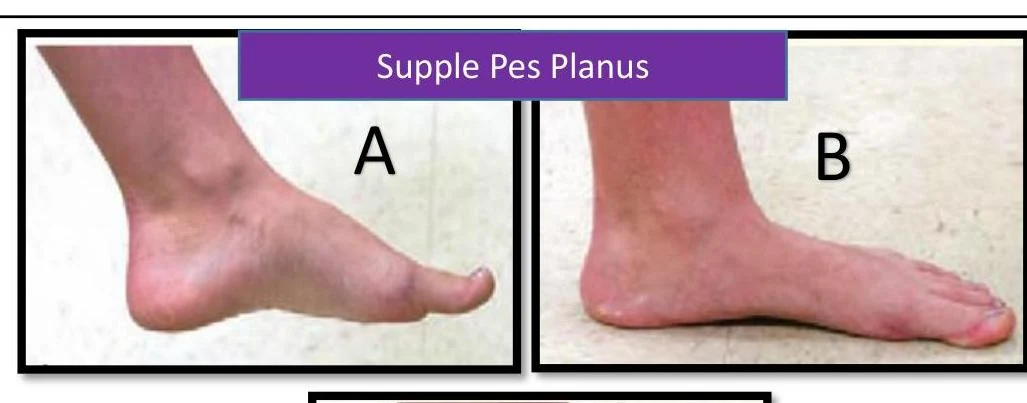
Evaluating the foot's architecture involves assessing the medial longitudinal arch. This can be measured via the Feiss line or the longitudinal arch angle. Key postural deviations include:
Keep reading for free.
Create an account to finish this reading and make it part of your study routine.
Continue reading freeAlready have an account? Log in
Updated