


The early history of North America was not merely a story of peaceful settlement, but a complex landscape of shifting borders, intense warfare, and strategic diplomacy. As European powers—primarily France, Great Britain, and Spain—competed for dominance, their conflicts frequently spilled over into Indigenous territories. This period was characterized by what historians often describe as a "world of fragments," where Indigenous nations navigated the pressures of colonial expansion by forming strategic alliances, engaging in trade, and utilizing diplomacy to protect their sovereignty.
European Territorial Claims and Colonial Expansion
During the 17th and 18th centuries, the map of North America was a patchwork of competing imperial ambitions. European powers sought to control vast territories to secure resources, particularly through the lucrative fur trade. These claims were often overlapping and poorly defined, leading to constant friction between colonial administrations.
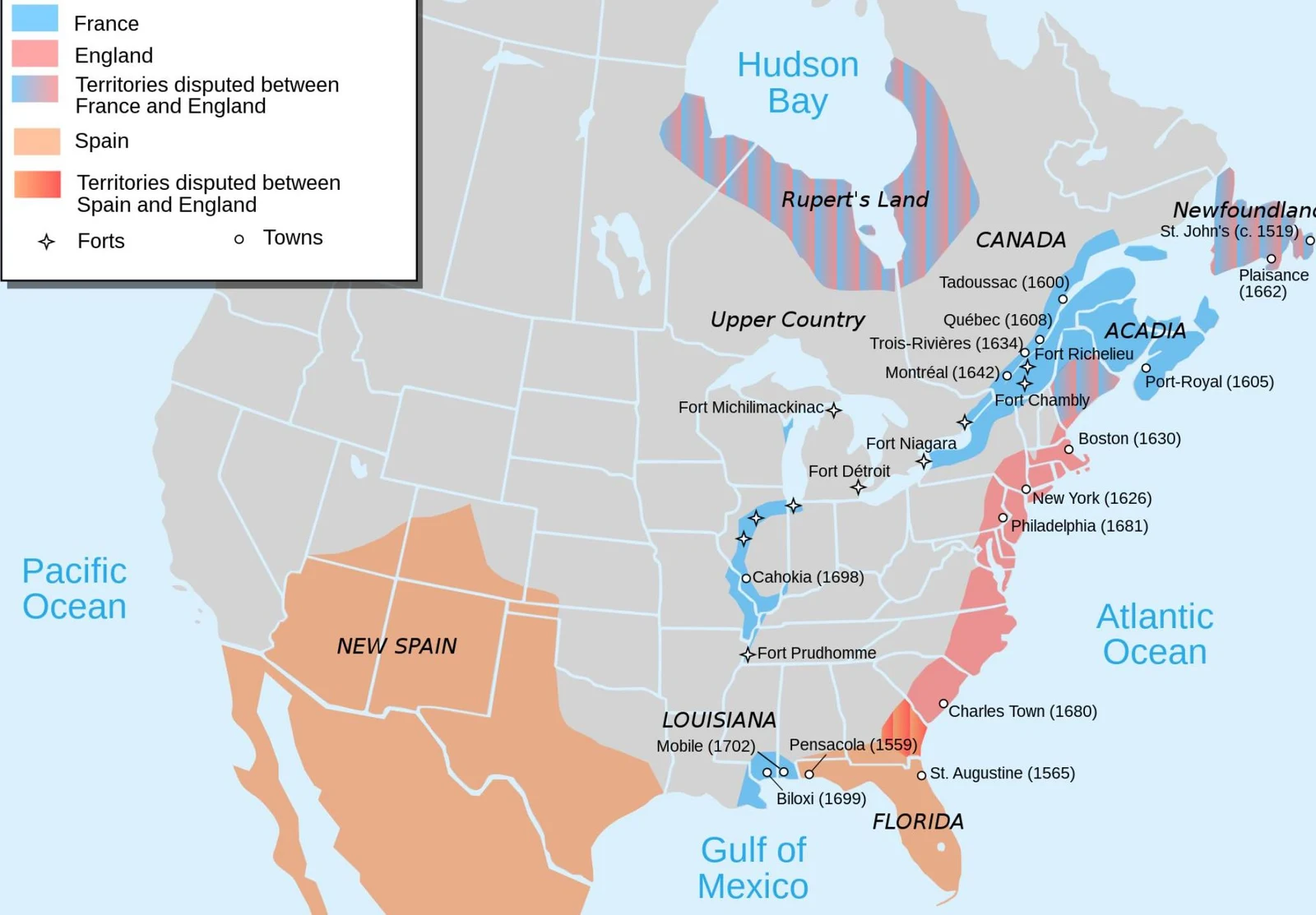
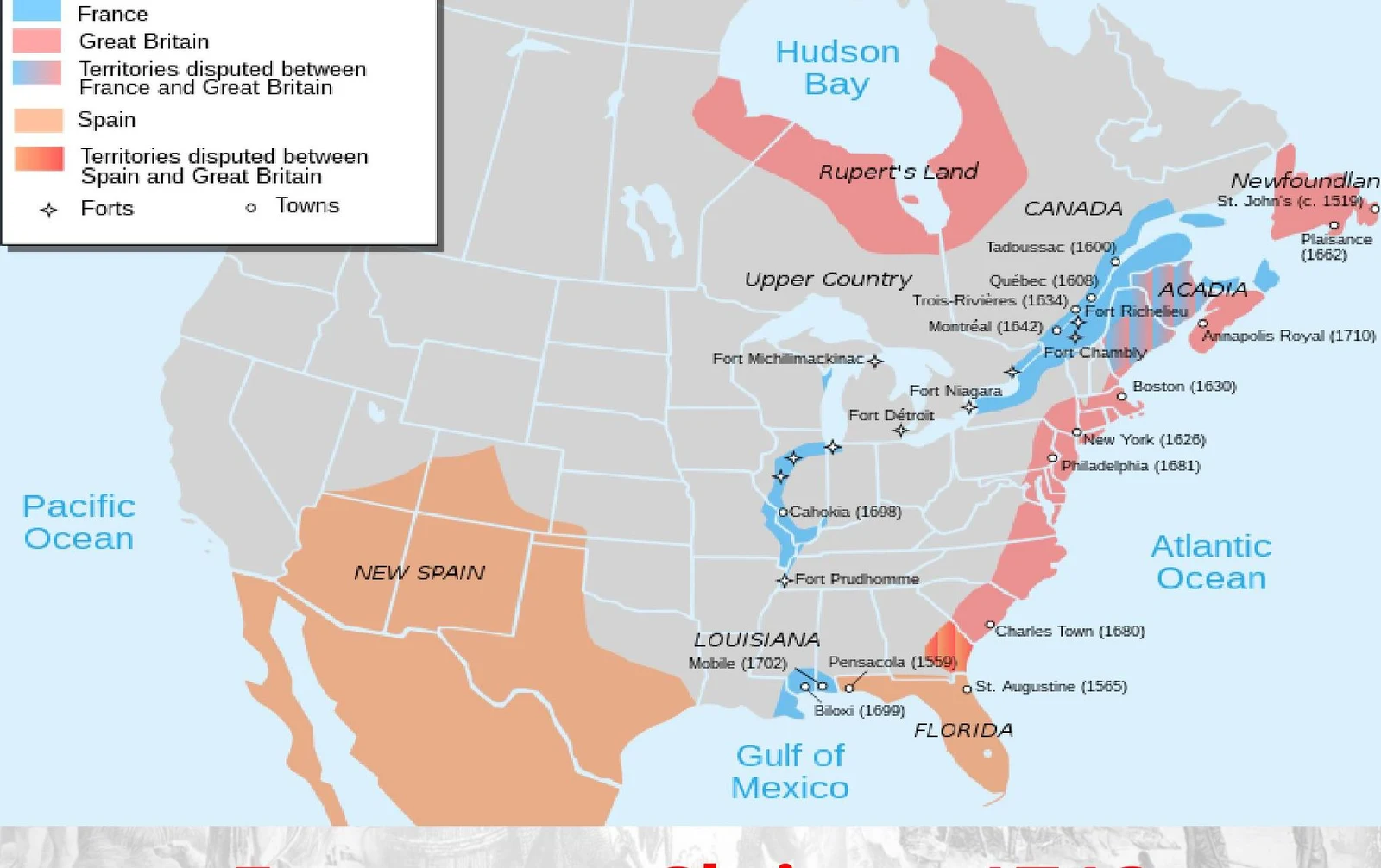
The expansion of these empires was often marked by the establishment of strategic forts and trading posts. For example, the presence of military fortifications like the Fortress of Louisbourg was critical for maintaining control over maritime routes and contested regions.
The War of Spanish Succession and the Treaty of Utrecht
The geopolitical landscape was frequently reshaped by large-scale European wars. The War of the Spanish Succession was a pivotal conflict that had direct consequences for North American territories. The resolution of this conflict came through the Treaty of Utrecht in 1713, which fundamentally altered the balance of power in the region.
Keep reading for free.
Create an account to finish this reading and make it part of your study routine.
Continue reading freeAlready have an account? Log in
Updated