


In the vast expanse of a eukaryotic cell, the genome—the totality of hereditary information—must be managed with extreme precision. Unlike bacteria or archaea, which typically carry their genetic information on a single circular chromosome, eukaryotes possess multiple linear chromosomes. To fit several meters of DNA into a microscopic nucleus, the cell employs a sophisticated system of hierarchical compaction known as chromatin organization. This organization is not merely a packaging solution; it is a dynamic regulatory mechanism that controls how genes are accessed and expressed.
The Molecular Foundation: Histones and Nucleosomes
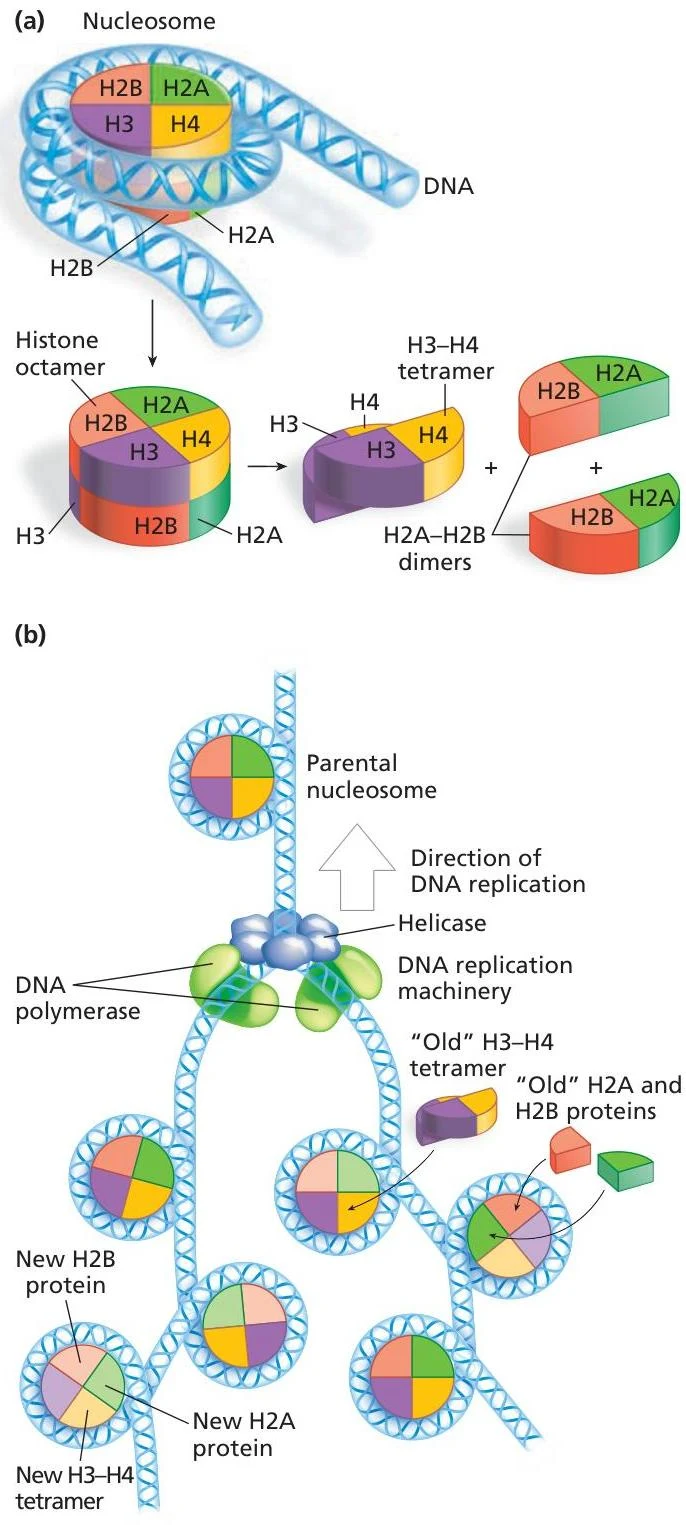
The fundamental building block of chromatin is the nucleosome core particle. This structure consists of a heterooctameric protein complex composed of two molecules each of four core histone proteins: H2A, H2B, H3, and H4. Approximately 146 base pairs of core DNA wrap around this octamer roughly times, achieving a sevenfold condensation of the DNA strand.
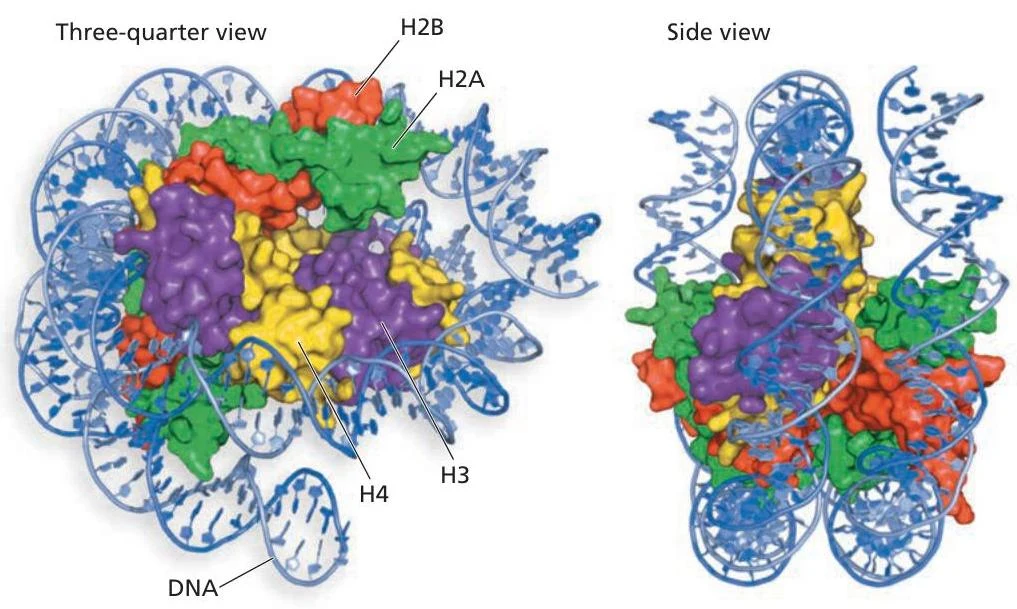
The segments of DNA that extend between these nucleosomes are referred to as linker DNA. When viewed under an electron microscope in a relatively decondensed state, this arrangement resembles "beads on a string" and is known as the fiber. To facilitate higher levels of folding, the histone H1 binds to the DNA where it enters the nucleosome, helping to stabilize the structure and pull adjacent nucleosomes closer together.
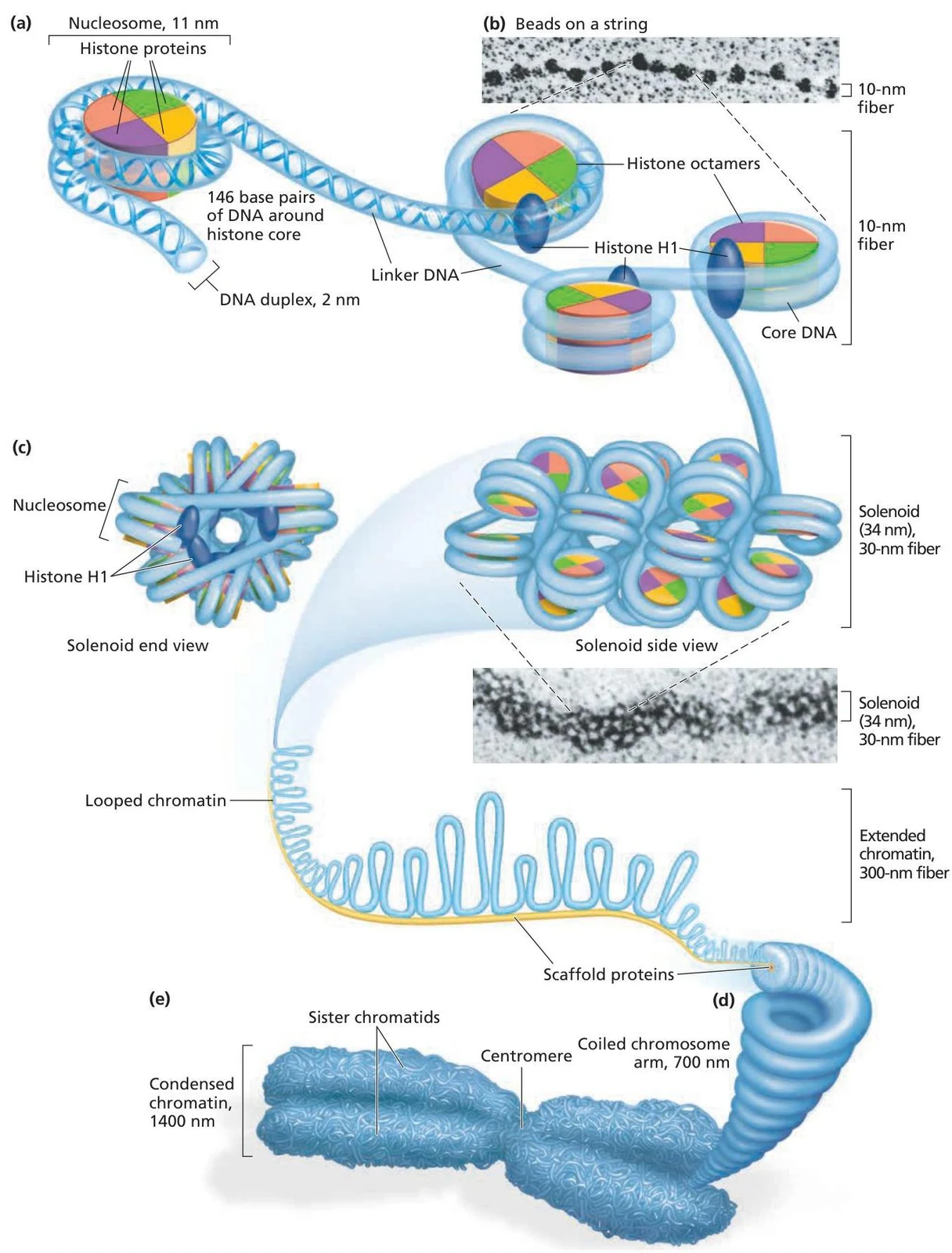
Hierarchical Levels of Chromosome Compaction
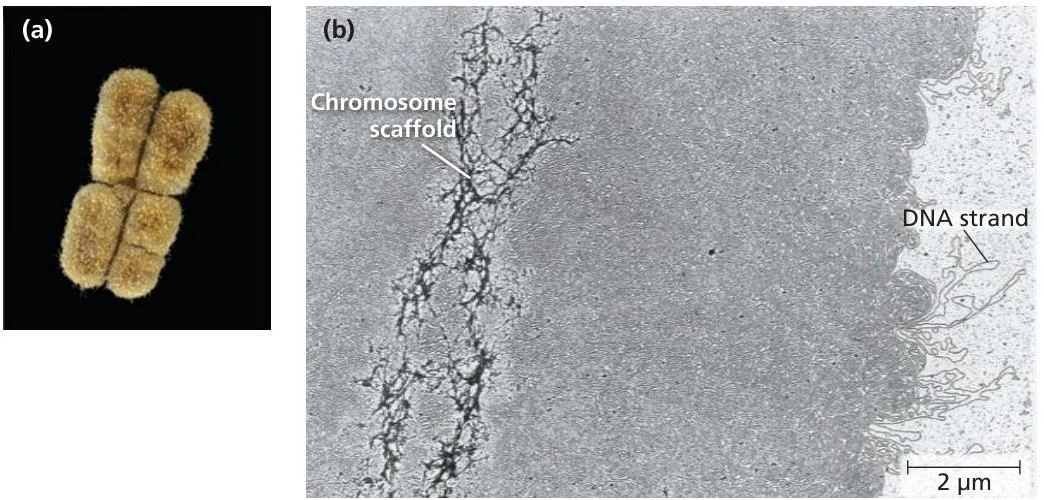
Chromatin does not remain as a simple string of beads; it undergoes several levels of folding to reach the extreme compaction seen during cell division.
Keep reading for free.
Create an account to finish this reading and make it part of your study routine.
Continue reading freeAlready have an account? Log in
Updated