


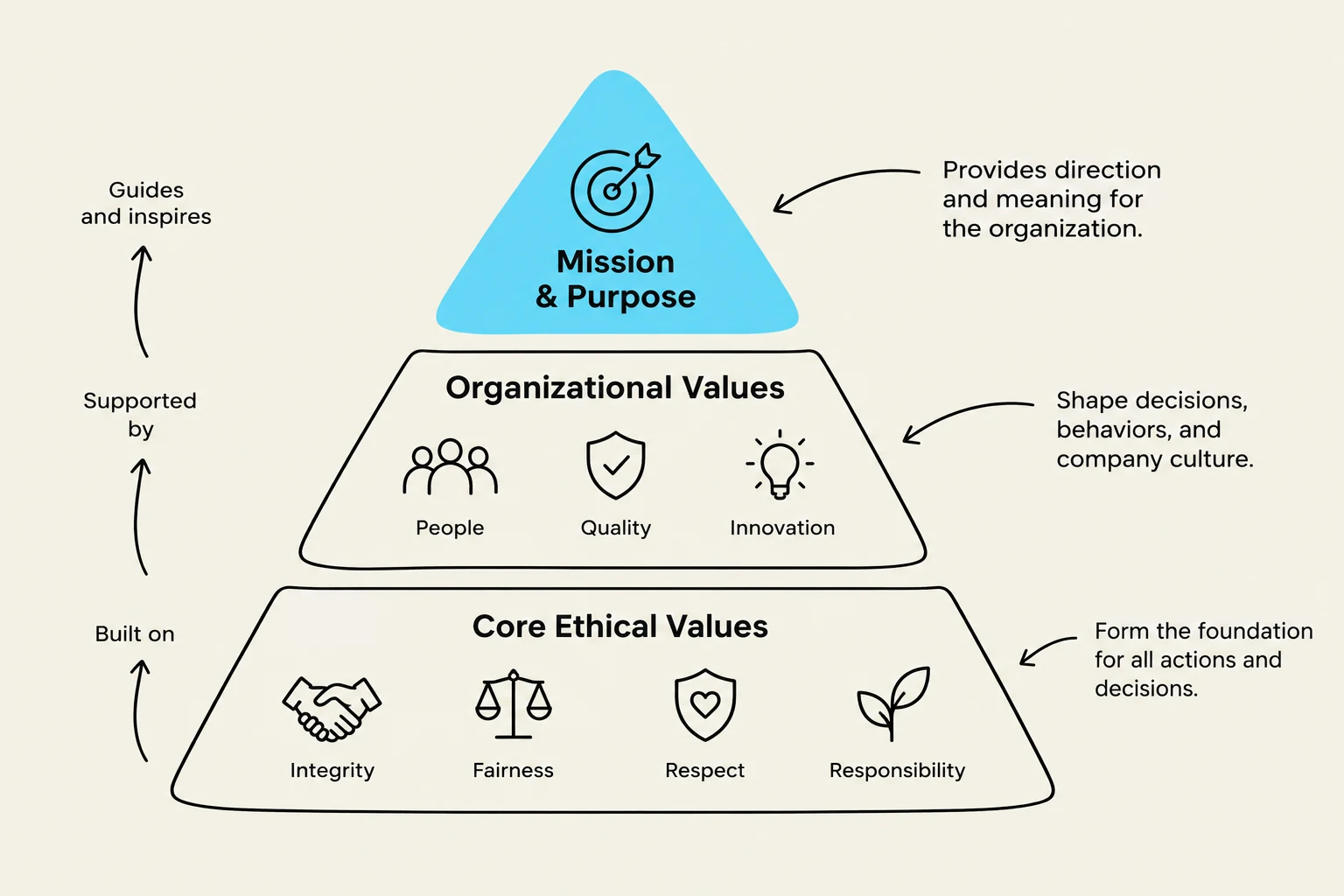
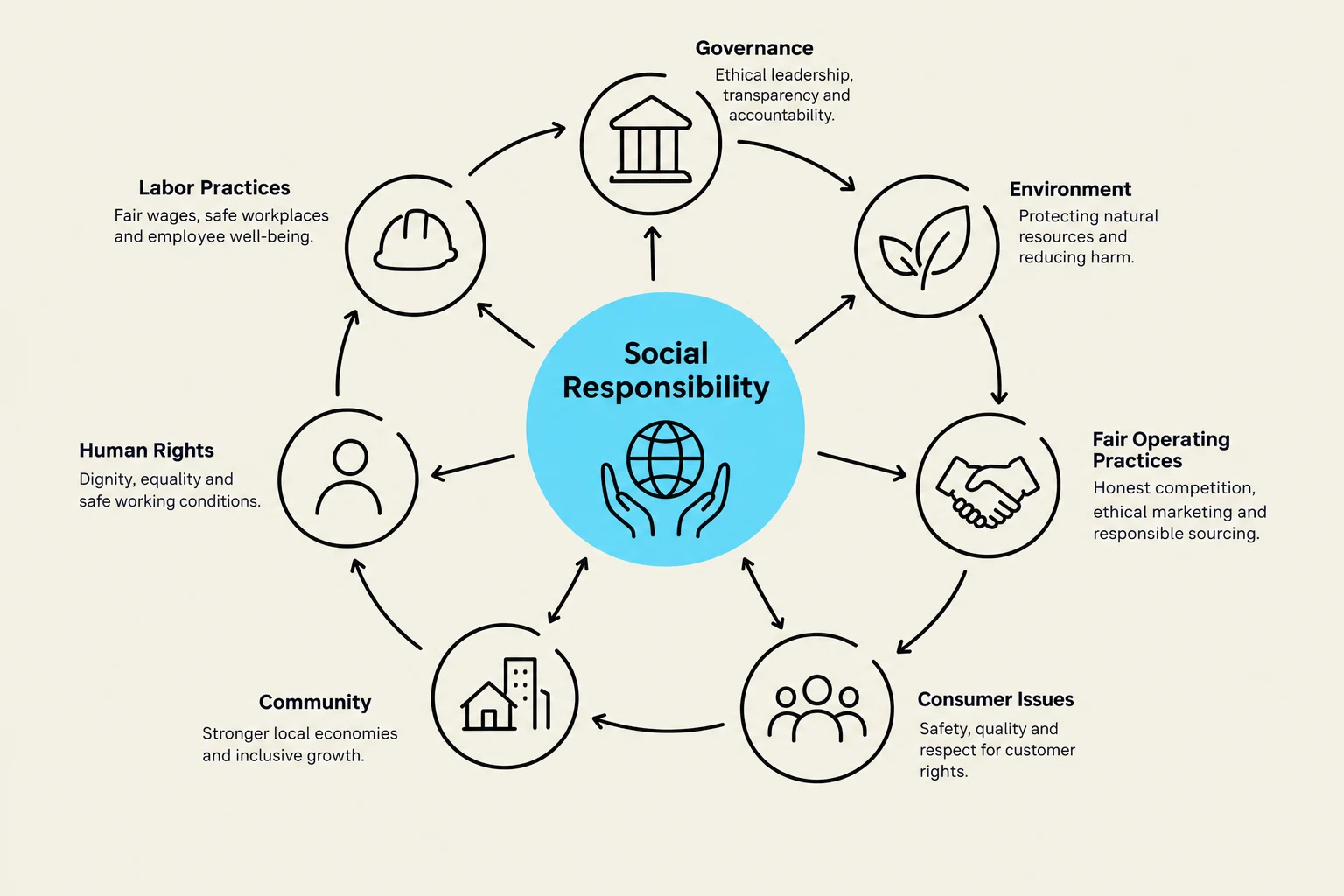
In the world of commerce, legal compliance is often viewed as the "floor"—the minimum standard required by law. However, true professional success and long-term sustainability are built upon a higher foundation: ethics. While lawyers are governed by strict professional codes of conduct, businesspeople and "sophisticated clients" often operate in a space where ethical standards are self-imposed. This article explores how businesses can move beyond mere legality to embrace ethical leadership through formal codes of conduct and robust social responsibility frameworks.
The Sophisticated Client and the Ethics of Clients
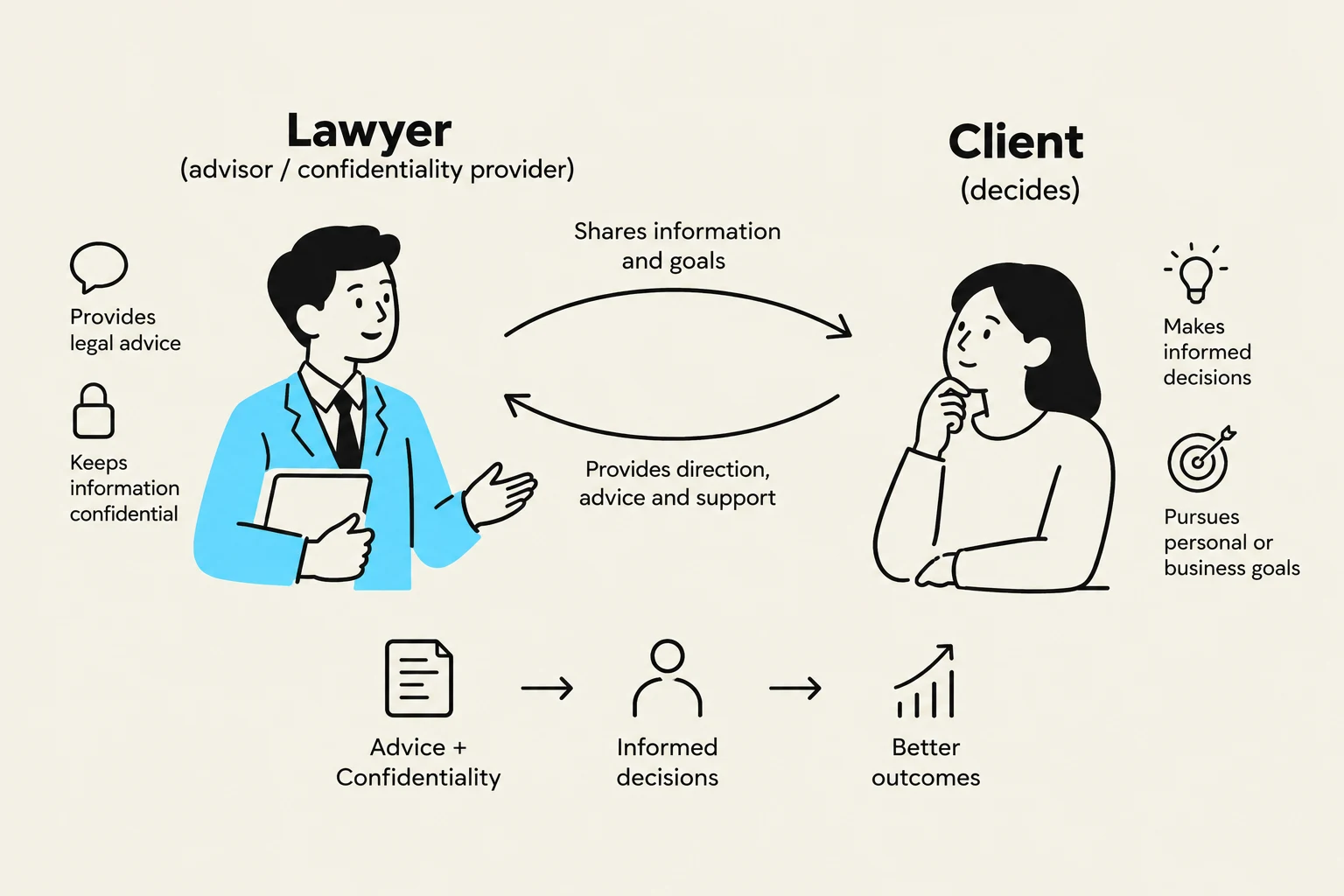
A "sophisticated client" is not merely someone with significant financial resources; it is a client who is confident, knowledgeable about legal trends, and understands the distinction between identifying a problem and solving it. Crucially, a sophisticated client understands the boundaries of the solicitor-client relationship. While a lawyer provides advice and recommendations, the client remains the ultimate decision-maker.
Unlike the legal profession, which is governed by provincial and territorial law societies that mandate ethical obligations like integrity and honesty, there is no established, universal "Code of Professional Conduct" for businesspeople in Canada. This lack of formal regulation places a heavy responsibility on business leaders to act as role models. High-profile ethical failures, such as those involving Martha Stewart or Elizabeth Holmes, serve as cautionary tales of what happens when business decisions bypass ethical considerations.
Exam Tip: Remember the distinction between "Law" and "Ethics." Law is what we must do (enforced by the state/law societies), whereas ethics is what we should do (driven by values and reputation).
Keep reading for free.
Create an account to finish this reading and make it part of your study routine.
Continue reading freeAlready have an account? Log in
Updated