


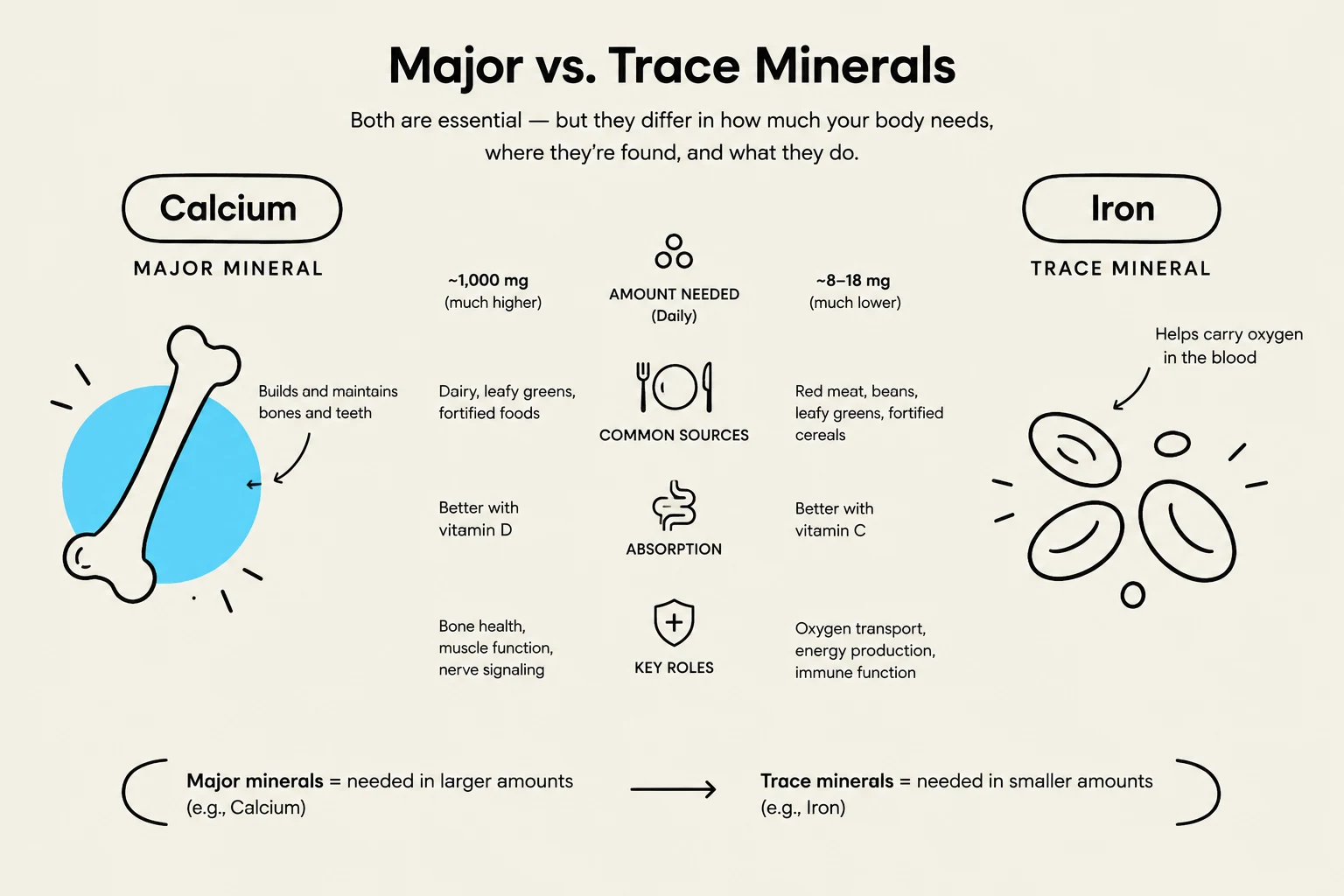
Nutrition serves as a fundamental pillar of medicine, playing a critical role in promoting overall health, supporting physiological development, and preventing chronic diseases. While macronutrients—proteins, carbohydrates, fats, and water—provide the bulk of our energy and structural components, micronutrients (vitamins and minerals) act as the essential catalysts for nearly every biological process. These micronutrients are required for the development, maintenance, and restoration of bodily tissues.
Understanding Vitamins
Vitamins are organic compounds required by the body in small amounts to facilitate various metabolic functions. They are categorized based on their solubility, which dictates how they are absorbed, transported, stored, and excreted by the body.
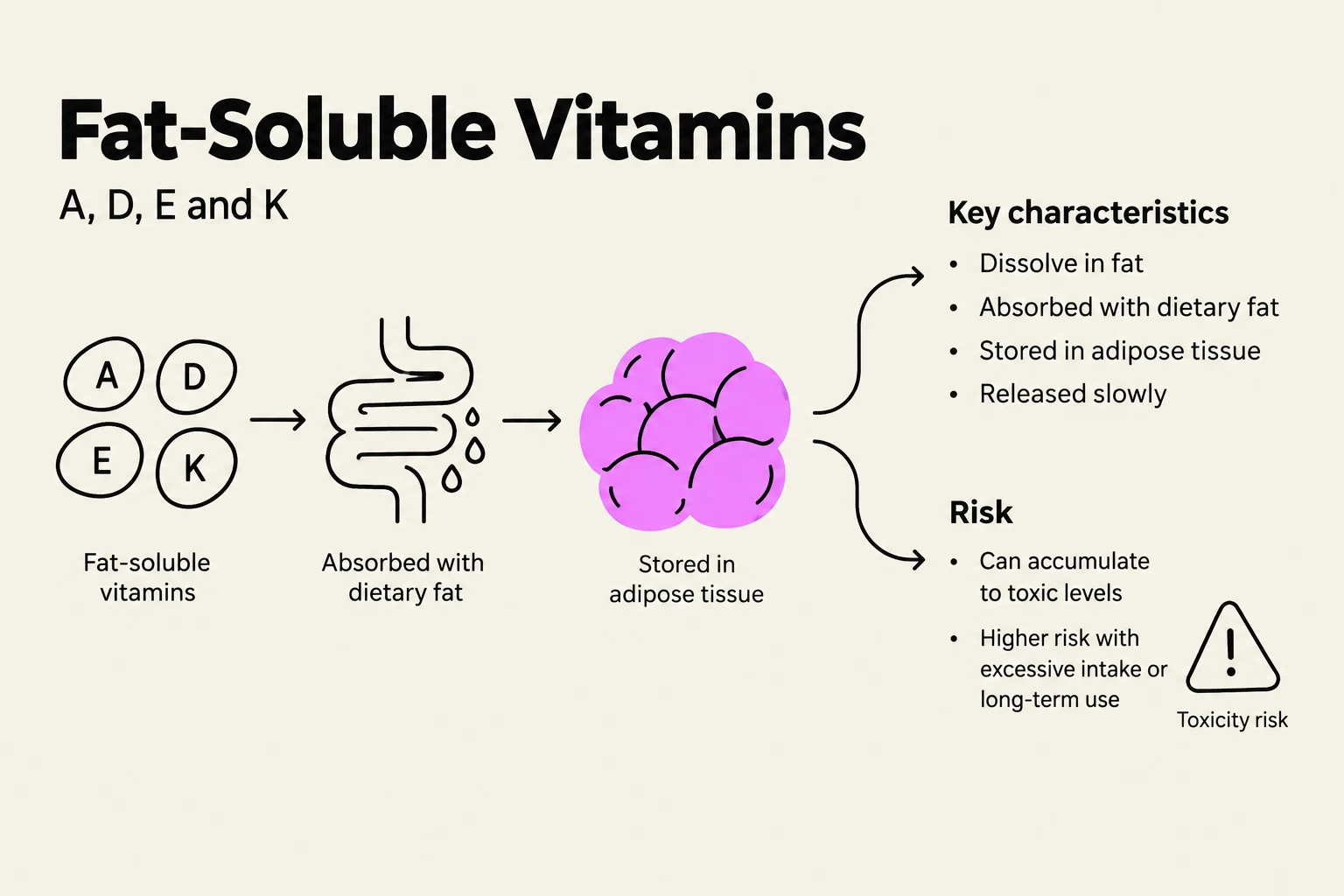
Fat-Soluble Vitamins
Fat-soluble vitamins are absorbed along with dietary fats and are stored in the body's fatty tissues and liver. Because they are stored, excessive intake can lead to toxicity, making it important to monitor intake levels.
- Vitamin A: Essential for vision, immune function, and skin health.
- Vitamin D: Critical for calcium absorption and bone health.
- Vitamin E: Acts as an antioxidant, protecting cells from damage.
- Vitamin K: Necessary for blood clotting mechanisms.
Water-Soluble Vitamins
Water-soluble vitamins dissolve in water and are not stored in large quantities in the body. Any excess is typically excreted through urine, meaning these vitamins must be consumed more frequently through the diet.
- Vitamin C (Ascorbic Acid): A potent antioxidant vital for tissue repair and immune function.
- B-Complex Vitamins: These are categorized by their specific roles:
- Energy-releasing vitamins: B1 (Thiamine), B2 (Riboflavin), B3 (Niacin), Biotin, and Pantothenic acid.
- Hematopoietic vitamins: B12 (Cobalamin) and Folic Acid (B9), which are essential for red blood cell formation.
- Other B vitamins: Such as B6 (Pyridoxine).
Keep reading for free.
Create an account to finish this reading and make it part of your study routine.
Continue reading freeAlready have an account? Log in
Updated