


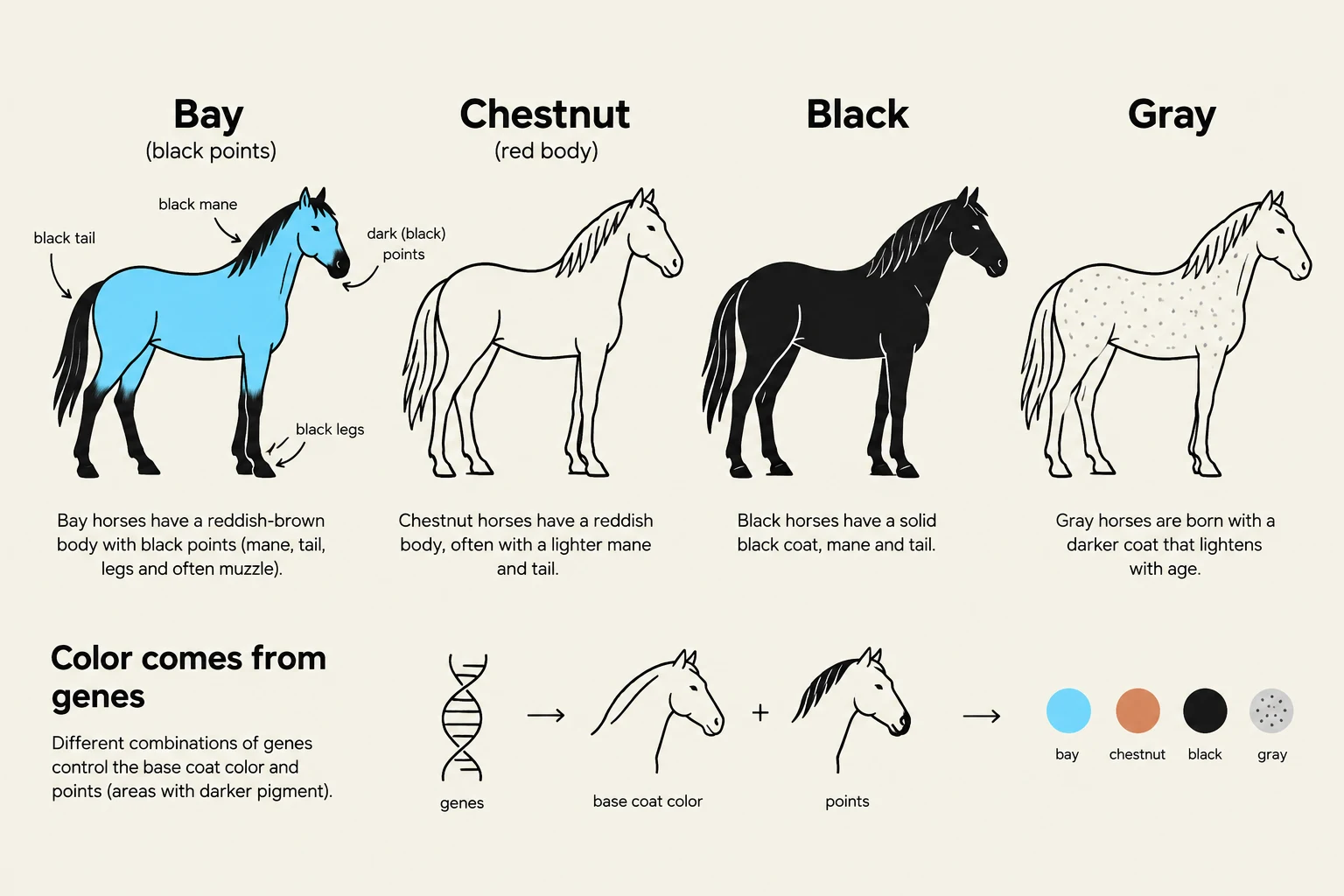
Whether you are visiting a stable for the first time or studying equine science, understanding the specific language used to describe horses is fundamental. Horses are not simply "boys" or "girls," nor are they just "big" or "small." Instead, professionals use a precise vocabulary to describe a horse's age, biological sex, physical measurements, and unique coat colors. This article will break down these essential terms to help you identify and categorize horses with accuracy.
Age and Sex Terminology
In the equine world, a horse's name often changes as it grows and matures. We categorize horses based on their developmental stage and whether they are intact (capable of breeding) or castrated.
Developmental Stages
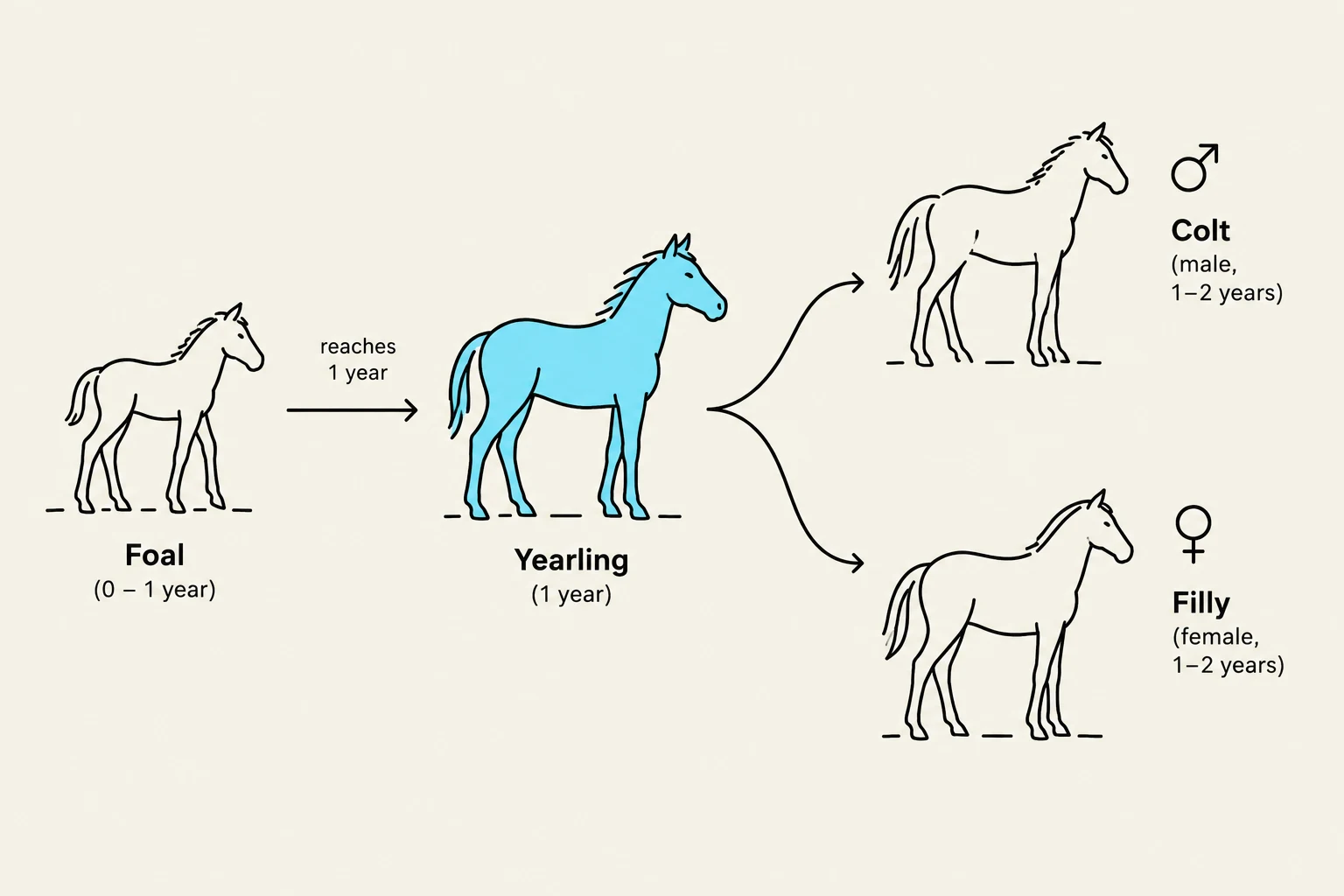
When a horse is born, it is referred to as a foal, a term that applies to both males and females under one year of age. As the horse grows, it enters different life stages:
- Weanling: A horse that has been separated from its mother (dam), typically occurring between 4 and 11 months of age.
- Yearling: A horse that is between 12 and 24 months of age.
Gender and Maturity
Once a horse reaches a certain age, its terminology shifts to reflect its sex and reproductive status:
- Females: A young female under 3 years of age is called a filly, while a female over 3 years of age is a mare.
- Males: An intact male under 3 years of age is a colt, whereas an intact male over 3 years of age is a stallion.
- Castrated Males: Any male horse that has been castrated is referred to as a gelding.

Keep reading for free.
Create an account to finish this reading and make it part of your study routine.
Continue reading freeAlready have an account? Log in
Updated