Explore the fundamental role of epigenetics in gene expression, adaptation, and disease development. This guide covers DNA methylation, histone modification, and their impact on metabolic and neurodevelopmental disorders.
At the core of modern biology lies a fundamental question: how can the same genetic blueprint produce vastly different physical outcomes based on environment and lifestyle? The answer is found in epigenetics—the study of chemical modifications to DNA that alter gene expression without changing the underlying nucleotide sequence. These modifications act as a bridge between our environment and our genome, allowing organisms to adapt to their surroundings through "developmental plasticity". However, when these adaptations are mismatched with later life environments, or when they occur pathologically, they become drivers of chronic disease.
The Mechanisms of Epigenetic Modification
Epigenetic regulation primarily occurs through two interconnected processes: DNA methylation and histone modification.
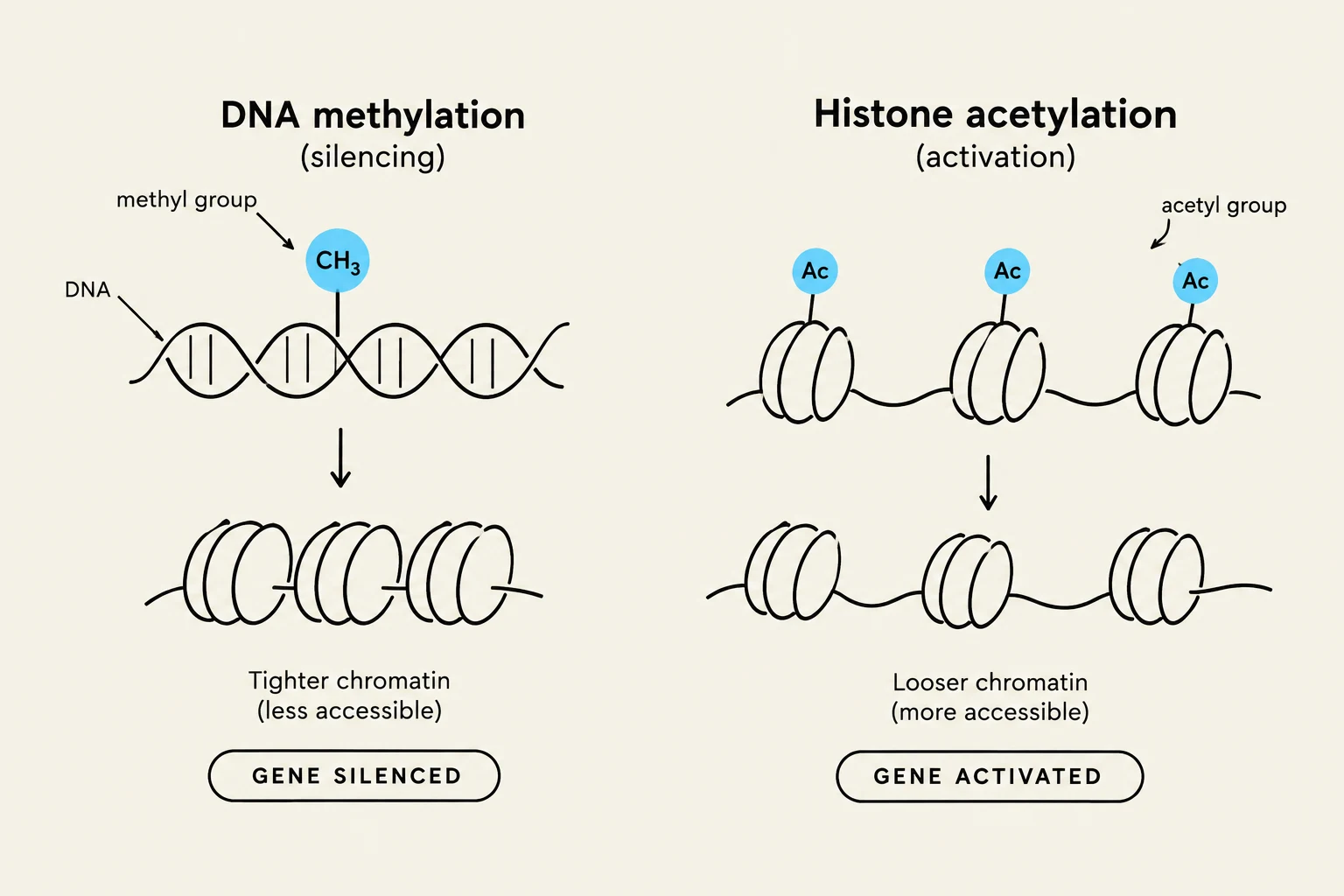
DNA Methylation involves the addition of methyl groups to DNA, typically at CpG islands (regions with a high frequency of cytosine and guanine nucleotides). This process is managed by specific enzymes: DNMT3a/b are responsible for establishing new methylation patterns during development, while DNMT1 maintains these patterns during cell division. Generally, high levels of methylation at a gene's promoter region act as a "silencing" mechanism, preventing the gene from being expressed.
Histone Modification involves changing the proteins (histones) around which DNA is wrapped.
Acetylation: The addition of acetyl groups to lysine residues by Histone acetyltransferases (HATs) neutralizes their positive charge, weakening the bond between histones and DNA. This results in "open" chromatin, which facilitates increased gene expression.
Deacetylation: The removal of these groups by Histone deacetylases (HDACs) leads to a more condensed chromatin structure, typically repressing gene expression.
Diagram illustrating DNA methylation and histone acetylation as mechanisms for gene silencing and activation, respectively.
Exam Tip: Remember the "Writer/Eraser" analogy. HATs and HMTs (Histone Methyltransferases) are "writers" that add marks, while HDACs and HDMs (Histone Demethylases) are "erasers" that remove them.
Metabolic Programming and Type 2 Diabetes (T2DM)
One of the most significant applications of epigenetic study is in the Developmental Origins of Health and Disease (DOHaD) framework. This concept suggests that nutritional or environmental insults during "critical windows" of development can "program" the body's structure and function, leading to lasting effects in adulthood.
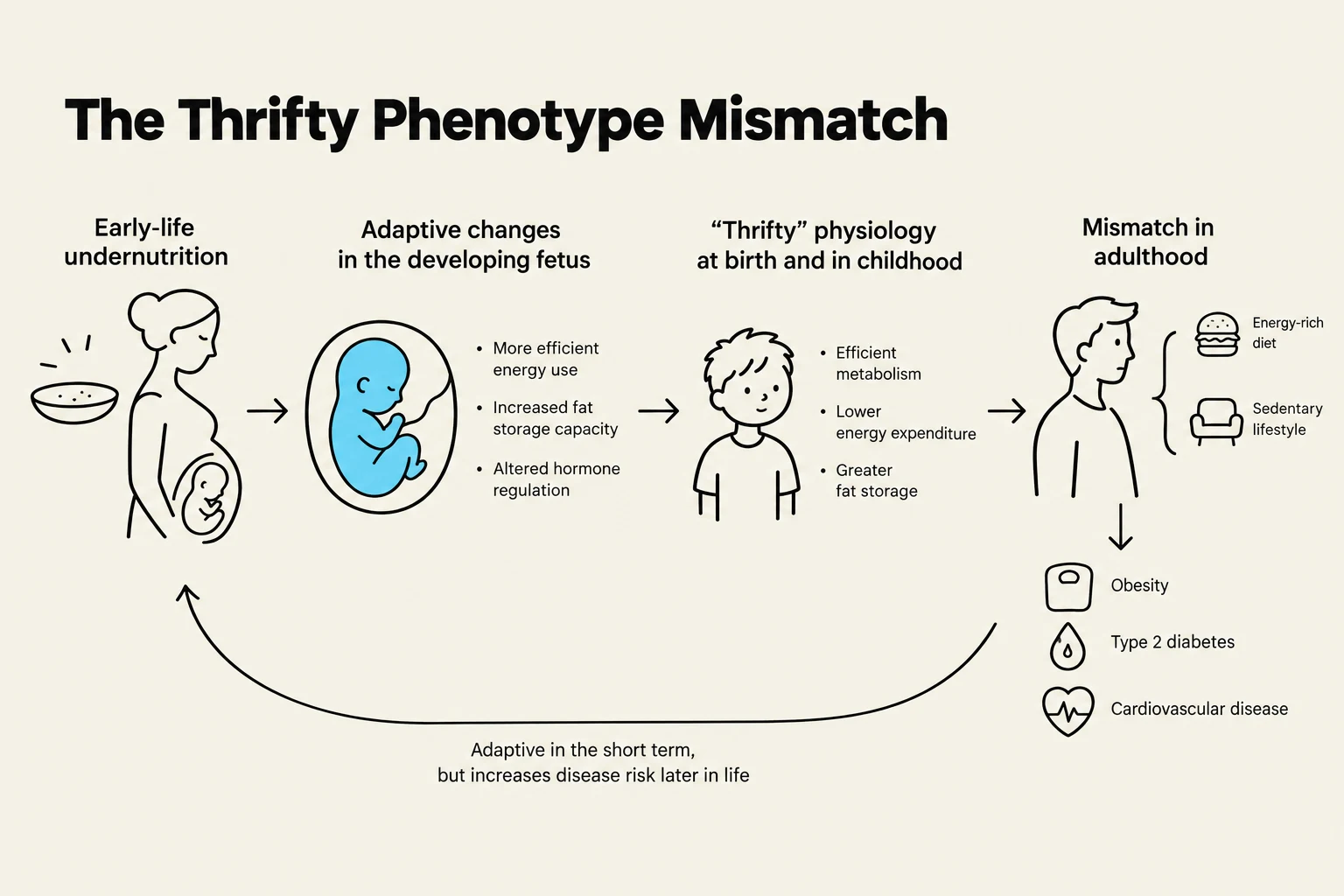
A key concept here is the Thrifty Phenotype Hypothesis. If a fetus experiences undernutrition in utero, it may undergo adaptive changes to conserve energy and promote survival—such as reduced pancreatic islet cell numbers or altered muscle mass. While this is an adaptive response to scarcity, it creates a developmental mismatch if the individual is later exposed to an environment of nutritional abundance (overnutrition). This mismatch significantly increases the risk of Type 2 Diabetes Mellitus (T2DM), obesity, and insulin resistance.
Research has identified specific altered DNA methylation patterns in key metabolic tissues of T2DM patients, including:
Pancreatic islets
Adipose tissue
Skeletal muscle
Liver
These epigenetic signatures are more than just symptoms; they hold immense potential as biomarkers. By identifying these marks, clinicians may eventually predict T2DM risk, assess the likelihood of vascular complications, or tailor treatments through precision medicine.
This diagram illustrates the Thrifty Phenotype Mismatch, explaining how early-life undernutrition can lead to adaptive changes in fetal development, resulting in a "thrifty" physiology at birth and in childhood. This physiology, characterized by efficient metabolism and greater fat storage, can lead to health issues like obesity, type 2 diabetes, and cardiovascular disease in adulthood when combined with an energy-rich diet and sedentary lifestyle.
Epigenetics in Mental Health and Neurodevelopment
While metabolic diseases often involve a complex interplay of lifestyle and programming, certain mental health and neurodevelopmental conditions are driven directly by epigenetic errors.
A classic example is Fragile X syndrome. This condition is linked to the FMR1 gene, which normally contains between 6 and 50 CGG trinucleotide repeats. In individuals with the full mutation, these repeats expand to over 200. However, the expansion itself is not the direct cause of the disease; rather, the massive expansion triggers the hypermethylation of the CpG islands in the FMR1 gene's promoter region. This methylation effectively "turns off" the gene, preventing the production of the protein necessary for normal neurological development.
Epigenetic alterations are also central to several other neurodevelopmental syndromes, including:
Rubinstein-Taybi syndrome
Coffin-Lowry syndrome
Prader-Willi syndrome (linked to loss of paternally expressed genes on chromosome 15)
Angelman syndrome
Beckwith-Wiedemann syndrome
ATR-X syndrome
Rett syndrome
Metabolic Regulators: The Role of Sirtuins
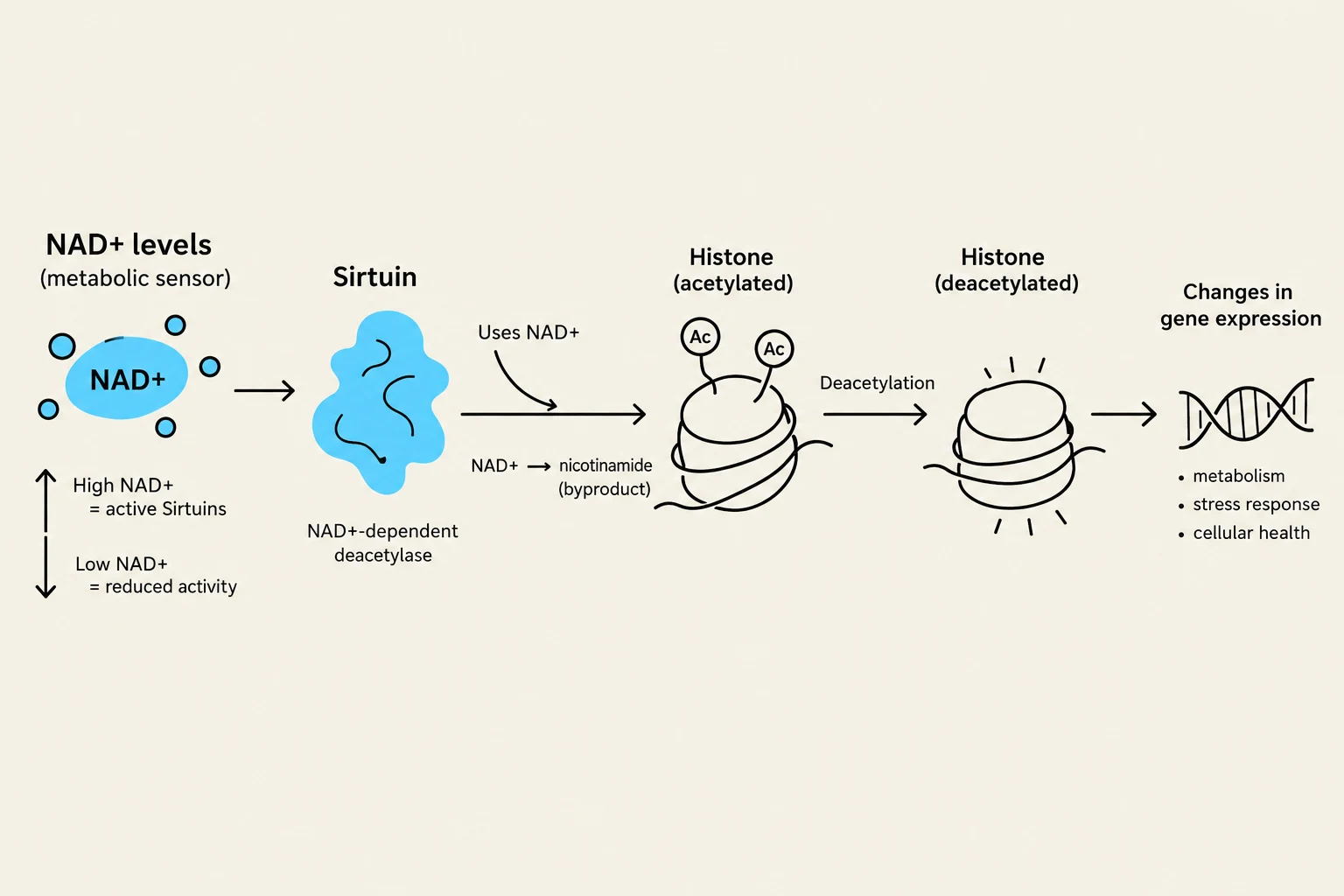
Beyond direct DNA and histone marks, the regulation of metabolism is heavily influenced by a family of proteins known as Sirtuins. Sirtuins are unique because they are NAD+-dependent histone deacetylases.
Because their activity depends on NAD+, sirtuins act as sensors for the metabolic state of the cell. They play critical roles in:
Cell survival and senescence
Proliferation and apoptosis
DNA repair
Cell metabolism and the physiological response to caloric restriction
By modulating the acetylation state of histones, sirtuins provide a direct link between the availability of metabolic cofactors and the regulation of gene expression, making them central players in how our bodies respond to diet and energy availability.
This diagram illustrates how NAD+ levels influence Sirtuin activity, which in turn affects histone acetylation and ultimately leads to changes in gene expression, impacting cellular processes like metabolism and stress response.
Summary Table: Epigenetic Drivers of Disease
Disease Category
Primary Mechanism
Key Example/Target
Metabolic (T2DM)
DNA Methylation / Developmental Programming
Pancreatic islets, Adipose tissue
Neurodevelopmental
Gene Hypermethylation (Silencing)
FMR1 gene (Fragile X)
Metabolic Regulation
Histone Deacetylation
Sirtuins (NAD+-dependent)
Keep reading for free.
Create an account to finish this reading and make it part of your study routine.