


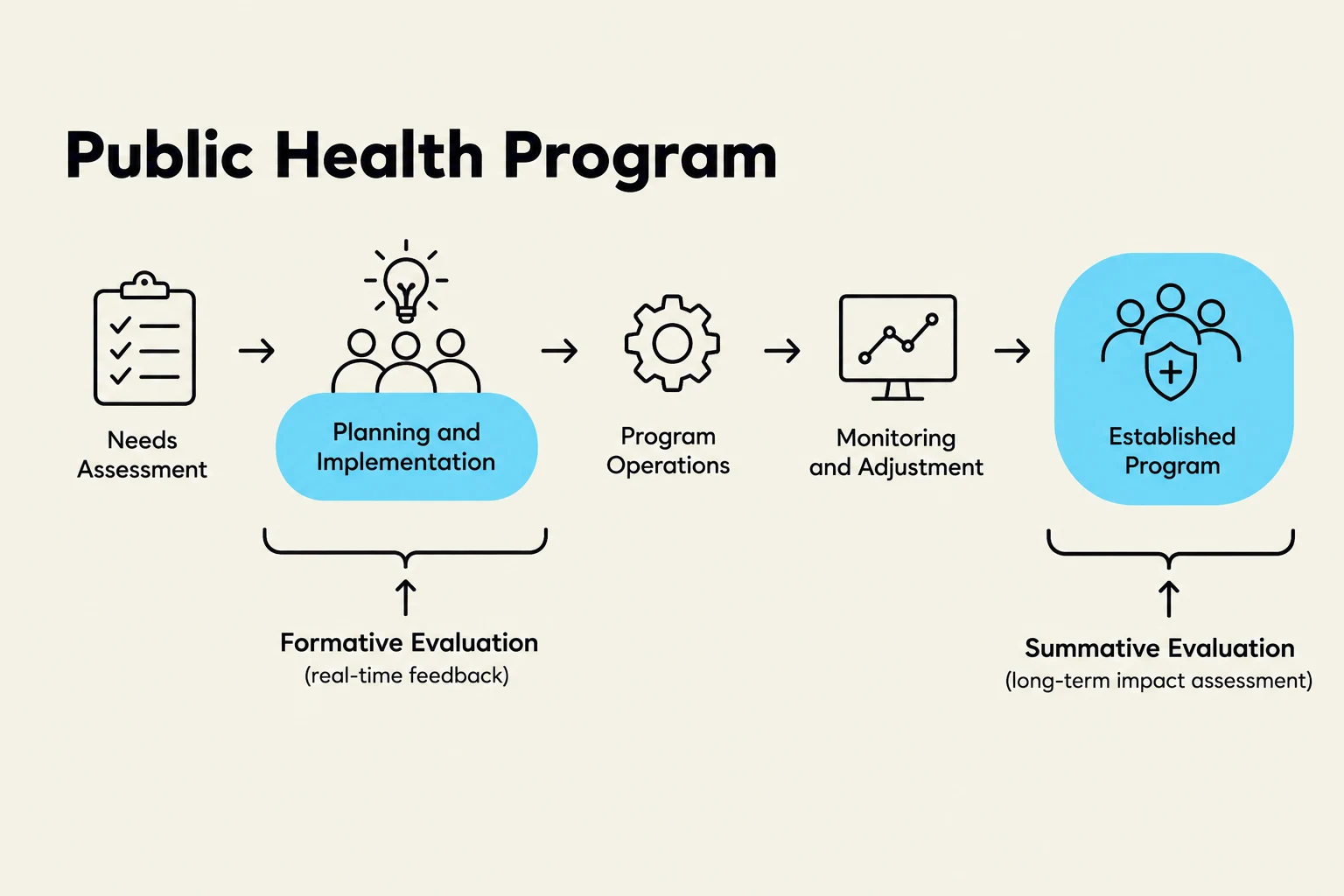
Epidemiology is more than just the study of diseases; it is the systematic application of scientific methods to understand the occurrence and distribution of health-related states within a population. By applying this knowledge, public health professionals can effectively control health problems and protect communities. This process is not a single event but a continuous cycle that moves from initial detection through surveillance to rigorous investigation, evaluation, and ultimately, the development of impactful public health policies.

The Foundation: Investigation and Outbreak Management
The epidemiological process often begins with surveillance, which is the ongoing collection and interpretation of data used to monitor population health and assess the effectiveness of interventions. When surveillance data indicates an anomaly, the stage of investigation begins.
An investigation is defined as a systematic inquiry conducted after a disease or health event has been detected through surveillance. One of the most critical forms of this inquiry is the outbreak investigation. During an outbreak investigation, epidemiologists work to trace infectious diseases back to their original source. By identifying the source—whether it be a contaminated food product, a specific water source, or a person-to-person transmission chain—health officials can implement measures to mitigate the spread and prevent future occurrences.
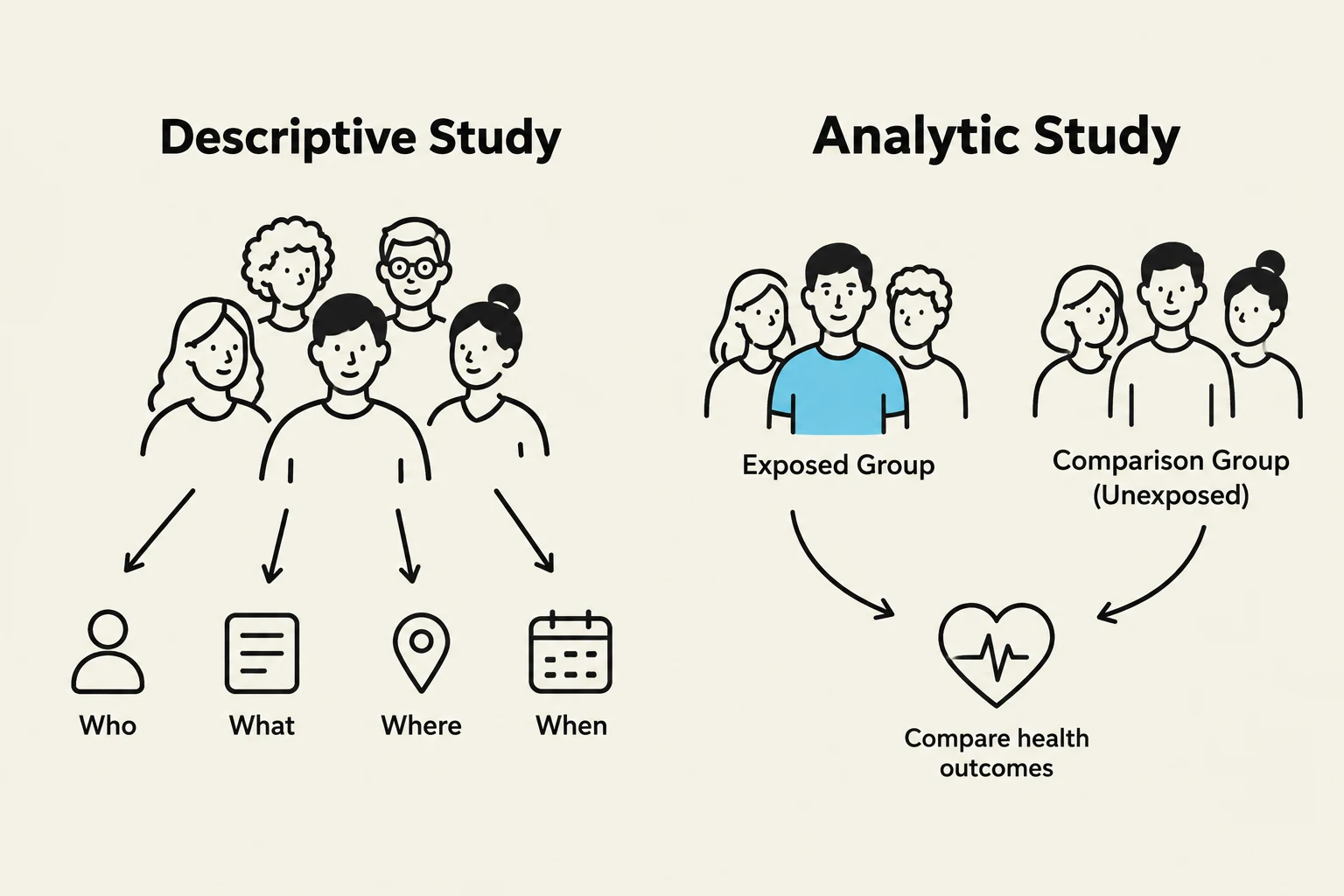
Understanding Patterns through Analytic Studies
Keep reading for free.
Create an account to finish this reading and make it part of your study routine.
Continue reading freeAlready have an account? Log in
Updated