


When we discuss fire alarm systems, the conversation usually centers on life safety—the immediate protection of human beings from heat and flame. However, modern fire protection engineering encompasses a much broader responsibility: environmental protection.
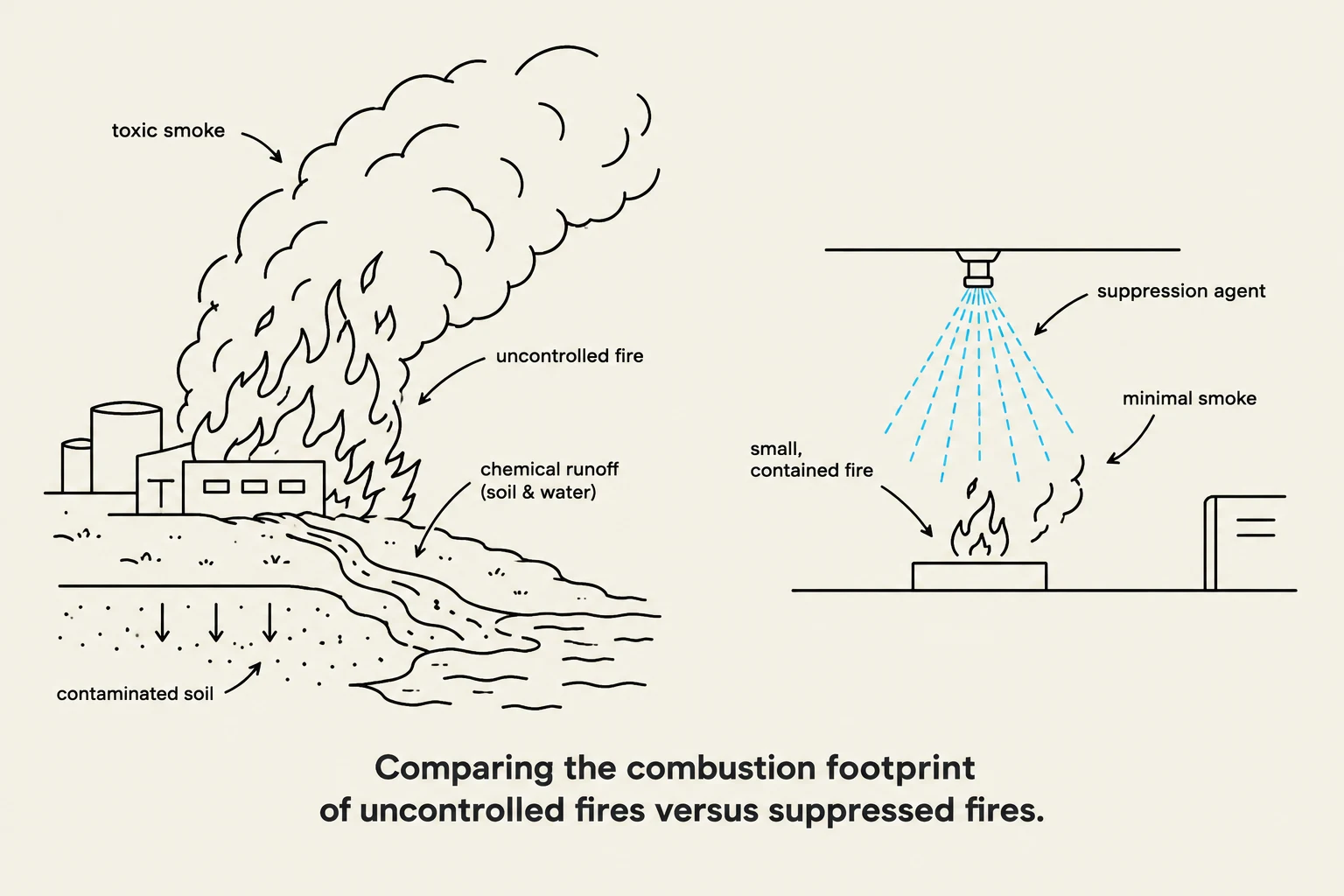
Beyond the immediate danger to occupants, uncontrolled fires pose a massive threat to the air we breathe and the ecosystems surrounding industrial sites. By integrating advanced detection and suppression technologies, fire alarm systems act as a first line of defense against ecological disasters.
The Environmental Cost of Combustion
The primary way fire alarm systems protect the environment is through the mitigation of toxic emissions. When materials burn, they undergo chemical transformations that release hazardous substances into the atmosphere. The scale of this impact is directly proportional to the size and duration of the fire.
A prime example of this risk is found in the storage of specialized goods. For instance, rubber tires are highly combustible and, when burned, produce massive quantities of toxic smoke. This smoke contains a cocktail of particulate matter and chemical byproducts that can degrade local air quality and settle into the surrounding soil and water systems, causing long-term ecological damage.
Key Concept: The goal of environmental protection in fire safety is to minimize the "combustion footprint"—the total volume of toxic smoke, chemical runoff, and carbon emissions released during a fire event.
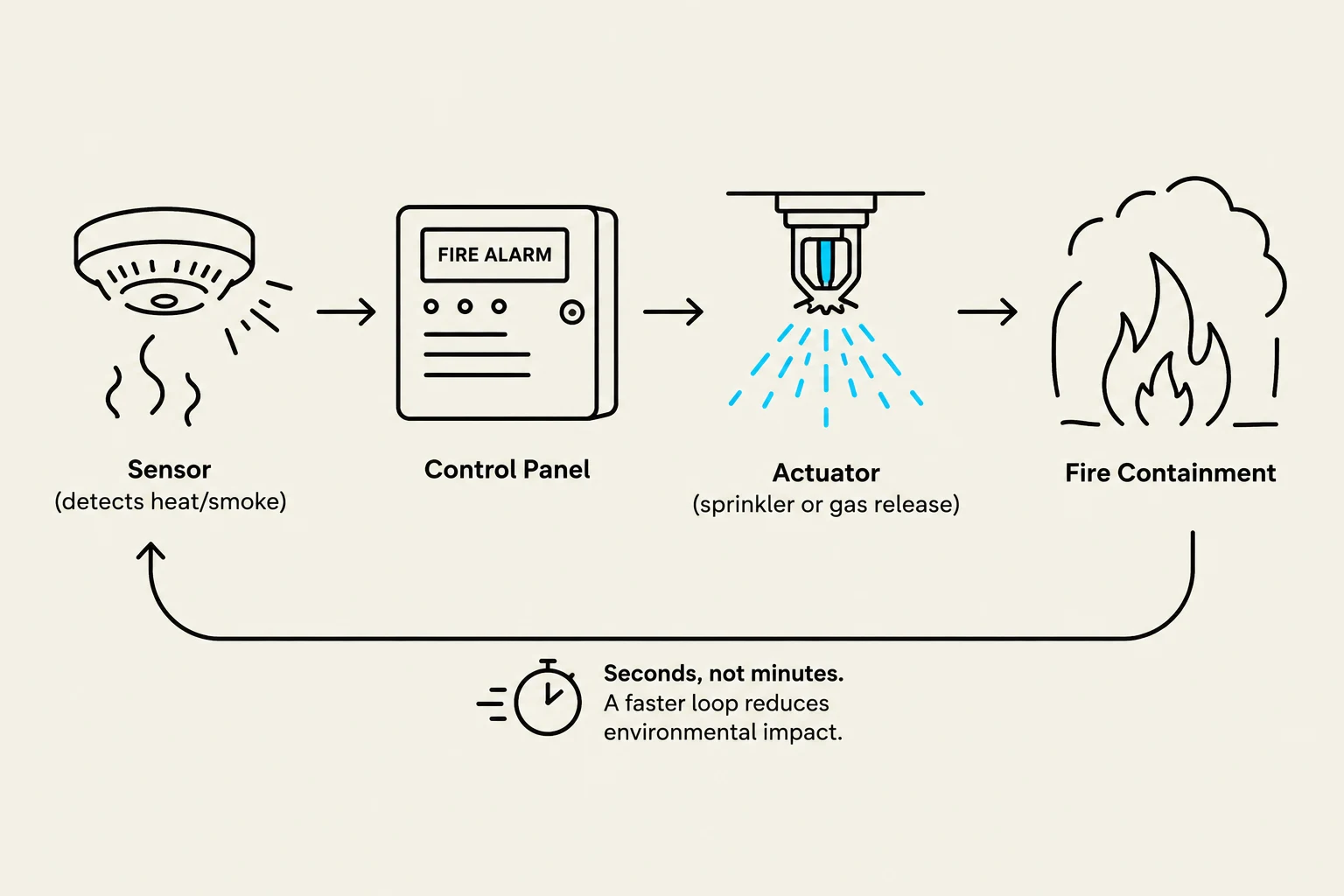
The Mechanism of Protection: Detection and Suppression

Keep reading for free.
Create an account to finish this reading and make it part of your study routine.
Continue reading freeAlready have an account? Log in
Updated