


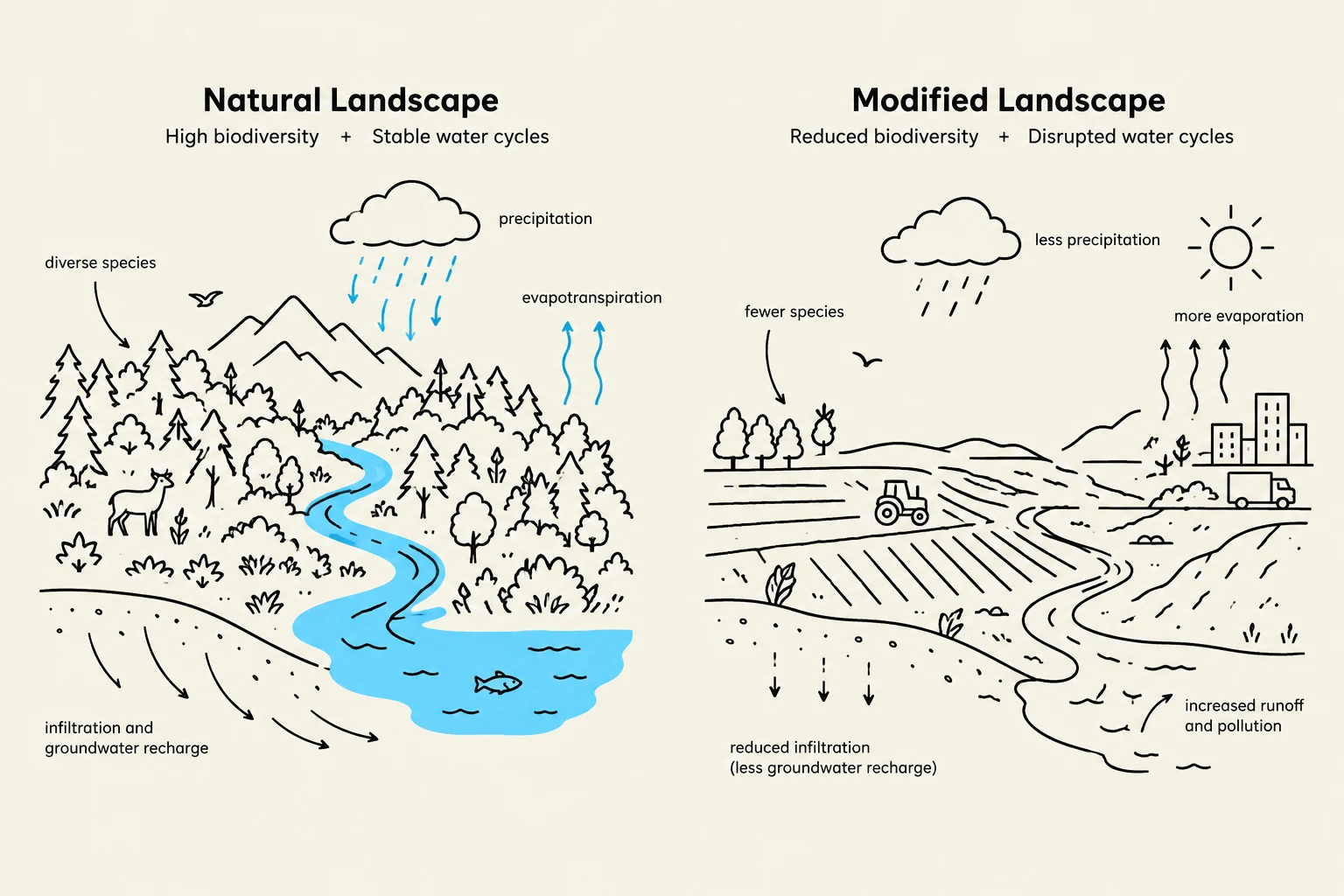
The relationship between human society and the natural environment is one of constant, dynamic interaction. While the Earth's systems—such as the atmosphere, hydrosphere, and lithosphere—operate on vast geological timescales, human activities have introduced a new variable: rapid, intentional modification of the landscape. Environmental modification refers to the process by which human activities, ranging from small-scale agricultural shifts to massive industrial operations, alter the physical characteristics and natural processes of the Earth's surface.
Understanding these changes is crucial for geography and environmental science, as these modifications often trigger feedback loops that can lead to unforeseen consequences for both natural ecosystems and human settlements.
The Drivers of Landscape Change
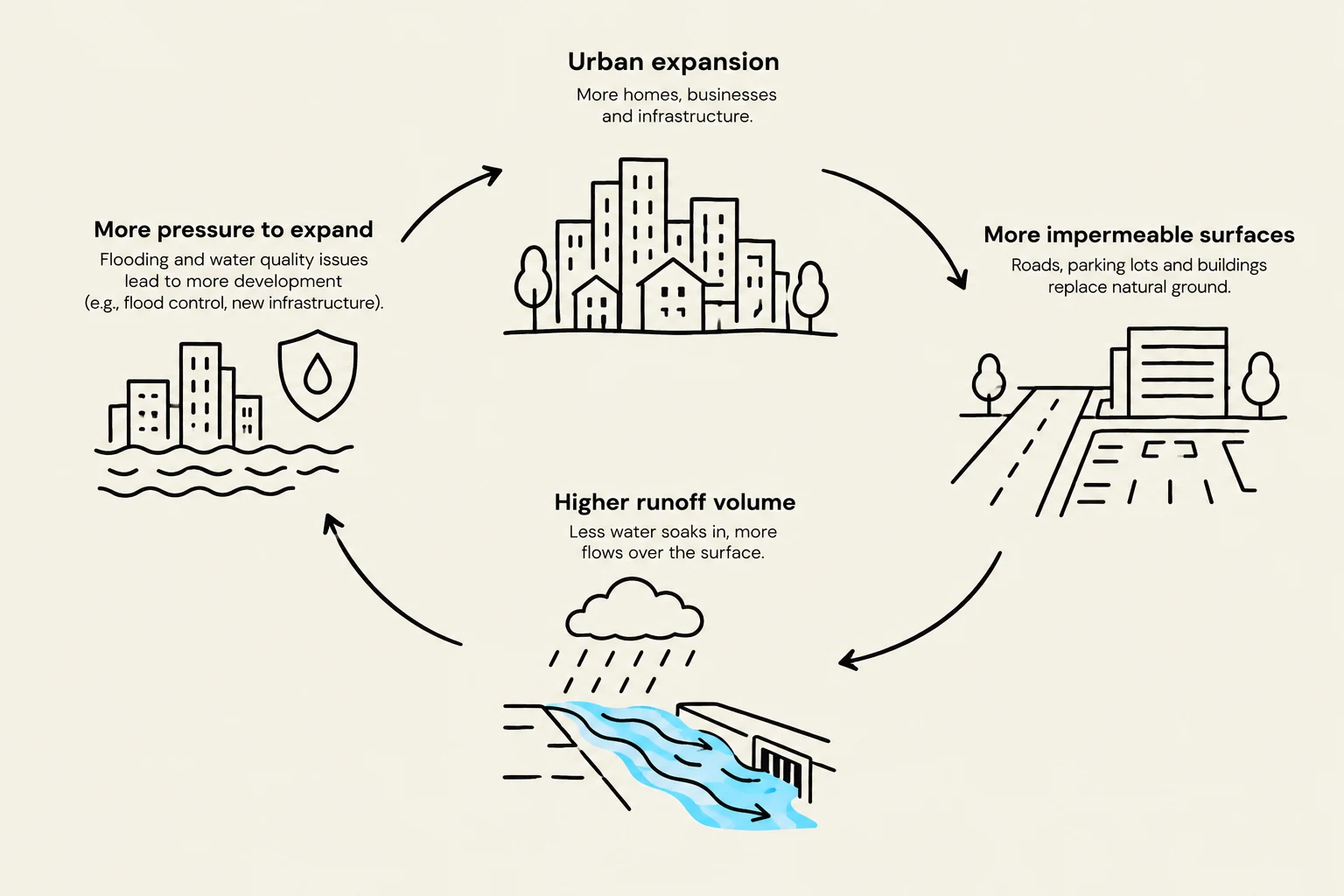
Human modification of the environment is rarely accidental; it is typically driven by the need for resources, space, and infrastructure. Two of the most significant drivers are resource extraction (such as mining) and urban development.
Mining and Lithospheric Alteration
Mining is one of the most direct forms of environmental modification. By removing vast quantities of rock and soil to access minerals, humans fundamentally change the topography of a region. This process does not merely move earth; it alters the chemical composition of the soil and the physical structure of the land.
When a mine is established, the natural drainage patterns of the area are often disrupted. This can lead to:
- Sedimentation: Increased runoff carrying fine particles into local waterways.
- Chemical Leaching: The exposure of previously buried minerals to air and water, which can create acidic runoff.

Keep reading for free.
Create an account to finish this reading and make it part of your study routine.
Continue reading freeAlready have an account? Log in
Updated