


The management of endometrial carcinoma has undergone a paradigm shift, moving from a purely morphologic classification toward a sophisticated integration of histology and molecular biology. Modern clinical practice requires a multidisciplinary approach that combines precise pathologic assessment, advanced molecular subgrouping, and meticulous surgical staging to tailor treatment—ranging from observation to aggressive systemic therapy.
Pathologic Assessment and Morphologic Parameters
When a uterine neoplasm is surgically resected, the pathologist must evaluate several key parameters to determine the extent of the disease and the risk of recurrence.
The most critical morphologic factors include:
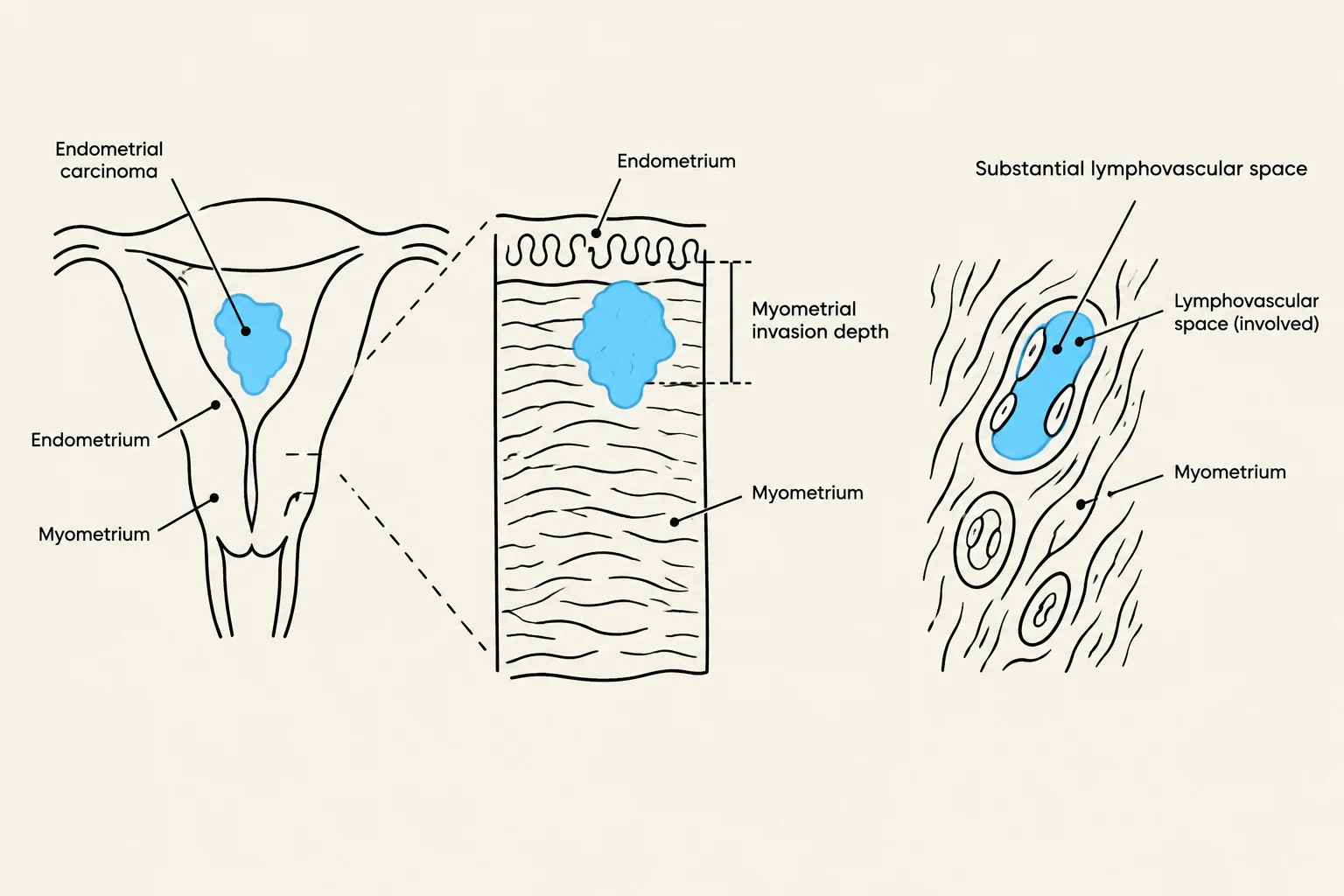
- Myometrial Invasion: This is assessed by measuring the depth of invasion in millimeters (mm) relative to the total thickness of the myometrium.
- Lymphovascular Space Invasion (LVSI): This refers to the presence of tumor cells within lymphatic or vascular channels. A "substantial" LVSI is defined as involved vessels identified on at least one hematoxylin and eosin (H&E) slide.
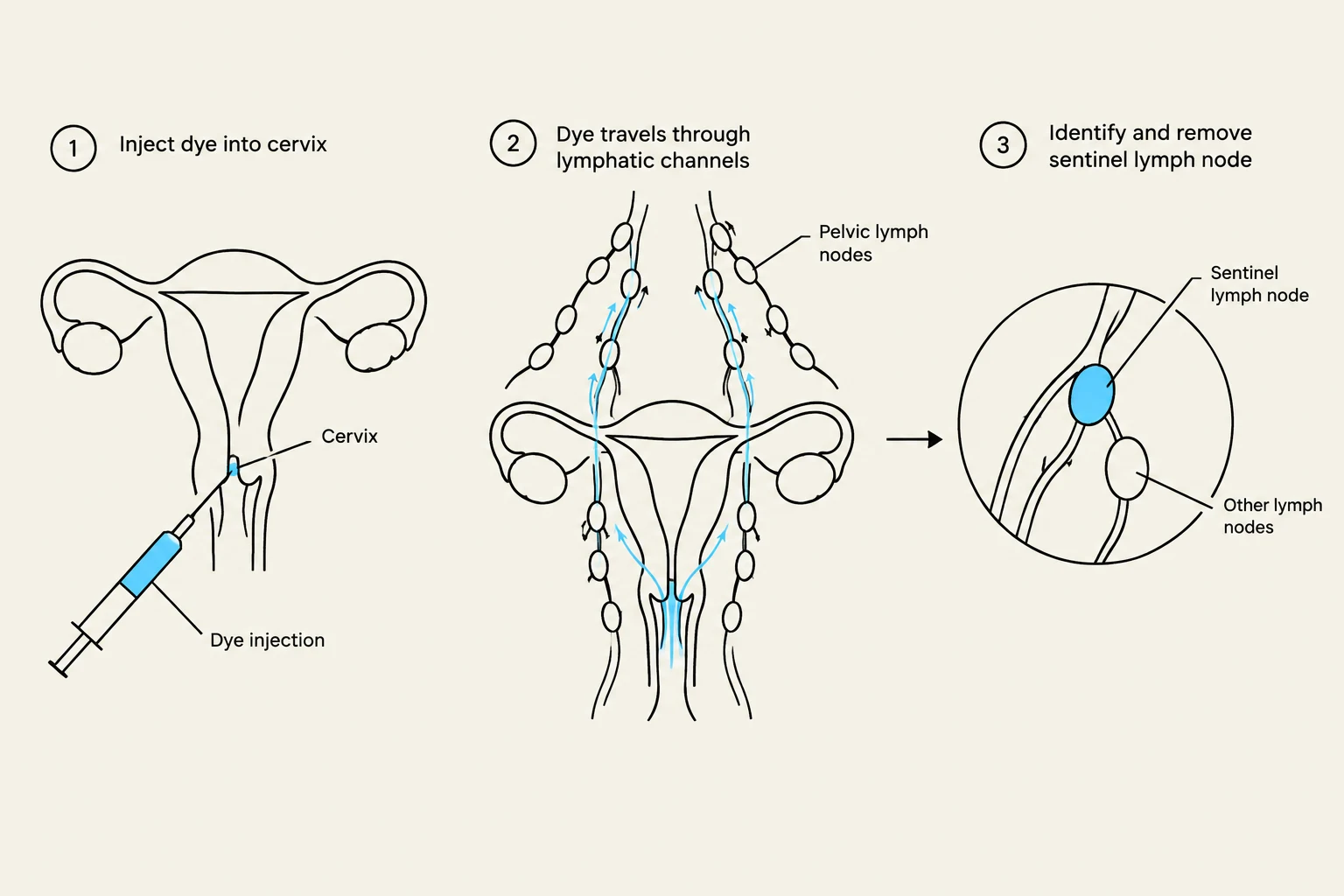
- Nodal Status: The evaluation of pelvic and para-aortic lymph nodes is essential for determining the stage of the disease.
Exam Tip: Note the specific threshold for "substantial LVSI." It is defined as vessels on a single H&E slide, which is a critical prognostic indicator for adjuvant therapy decisions.
Molecular Subgrouping
The contemporary classification of endometrial carcinoma relies on four clinically significant molecular subgroups. These subgroups are essential because they dictate different prognostic outcomes and guide whether a patient should undergo therapy escalation or de-escalation.
Keep reading for free.
Create an account to finish this reading and make it part of your study routine.
Continue reading freeAlready have an account? Log in
Updated